

The review is a coalition promise, but is based on questionable assumptions about the tribunal’s legal status and purpose. And now the UN is looking at it.
Articles on David Seymour
Displaying 1 - 20 of 27 articles

Taking away the duty of boards to give effect’ to te Tiriti o Waitangi undermines the expectation that schools should work for Maori as well as for anyone else.

The law change may significantly reduce effective scrutiny of foreign investors and soften the ‘national interest’ test for approving applications.

NZ Deputy Prime Minister David Seymour says his Victim of the Day posts are ‘a bit playful’. Yet not so long ago, he was demanding apologies for similar ‘jokes’.

Austerity sounds like it should be about governments cutting costs and spending less. But it’s more about who controls ever-expanding public spending – and who doesn’t.

ACT won’t work with Labour, Labour won’t work with NZ First, National won’t work with Te Pāti Māori … What happened to the cross-party compromise MMP was meant to foster?

Charter schools enjoy smaller classes and better teacher-pupil ratios. But big questions remain about their success rates – and why the public system isn’t better resourced.
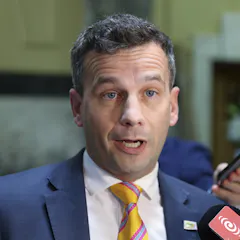
The ACT Party leader believes government assets should provide a return or be sold. But a majority of New Zealanders are consistently opposed to more privatisation.

The Treaty Principles Bill pits two ideas about national identity against each other – egalitarianism and biculturalism. But are they really mutually exclusive?

Claims of ‘activist’ judges usurping the law-making role of parliament are getting louder. But these need to be balanced against the slow and conservative nature of how the common law is developed.

What is the ‘truth’ about colonialism and its modern relevance? This complex question is testing political consensus not only in New Zealand, but in other post-colonial societies too.

The Principles of the Treaty of Waitangi Bill will likely die after it goes to select committee – or will it? A possible referendum on the issue would raise the stakes considerably.
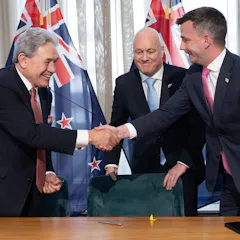
The tail wagging the dog is a risk in any coalition arrangement. But with two tails wagging vigorously, the National-led government is testing the limits of consensus and policy coherence.

With ACT’s Treaty Principles Bill imminent, how much do we know about the current principles? And were they ever a proper reflection of the text and intent of te Tiriti?

With debate raging around the Treaty Principles Bill. It’s important to recognise a dispute between Māori and the Crown is not the same as a breakdown in relations between Māori and Pākehā in general.

David Seymour’s expectation that drug-buying policy be based on need rather than ethnicity misses the point: the Treaty of Waitangi is already about equality, and can help guide good decisions.

The government is reducing the scope and scale of the free school lunch programme. But evidence suggests expanding it would be good for children, communities and local businesses.

Modern interpretations of Te Tiriti o Waitangi cause sometimes bitter political debate. But new research shows New Zealanders – especially younger ones – see the Treaty largely as a positive symbol.
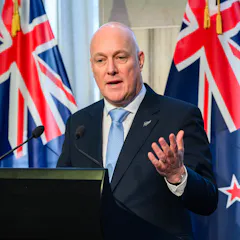
Poor personal and party polling early in the government’s term puts the spotlight on Christopher Luxon’s leadership. He has the power bases, but can he mobilise them effectively – and in time?
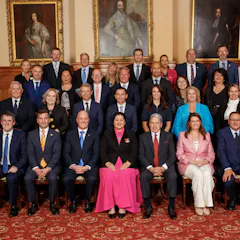
The coalition has made good on pledges to repeal, reduce or reverse the previous government’s policies. But the real test will be paying for its own policies and staying stable in the process.
Top contributors
-

Professor of Politics, Te Kunenga ki Pūrehuroa – Massey University
-
Adjunct Professor, Stout Research Centre, Victoria University of Wellington and Auckland University of Technology, Professor of Political Science, Charles Sturt University
-
Emeritus Professor of Law, University of Auckland, Waipapa Taumata Rau
-
Associate Professor of Political Science, University of Waikato
-
Professor of Public Administration, Te Herenga Waka — Victoria University of Wellington
-
PhD Candidate in Human Geography, Lincoln University, New Zealand
-
Professor of Law, University of Otago
-
Associate Professor in Public Management and Policy, Te Herenga Waka — Victoria University of Wellington
-
Lecturer, University of Otago
-
Senior Lecturer, Faculty of Law, Te Herenga Waka — Victoria University of Wellington
-
Professor of Public Administration, Te Herenga Waka — Victoria University of Wellington
-
Associate Professor, School of Management and Marketing Te Kahui Kahurangi, Te Kunenga ki Pūrehuroa – Massey University
-
Associate Professor of Politics, Te Herenga Waka — Victoria University of Wellington
-
Professor of Law, University of Waikato
-
Professor of Law, University of Waikato