
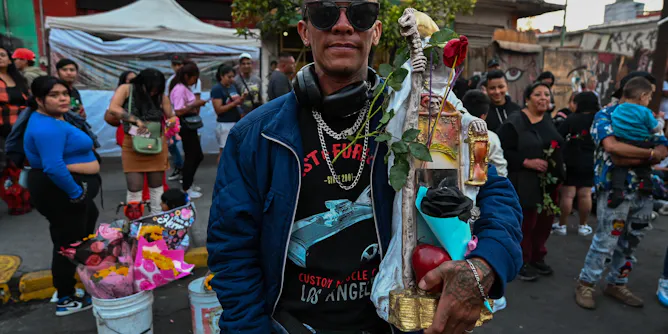
Dark tourism ranges from visits to memorials, to tours that glorify violence.
Articles on Dark tourism
Displaying 1 - 20 of 31 articles
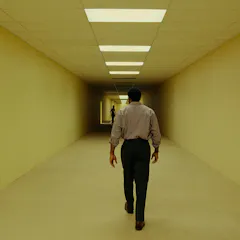
The Backrooms began with a single image: a claustrophobic warren of tawdrily yellow, windowless rooms with aged carpets and harsh overhead fluorescent lights.
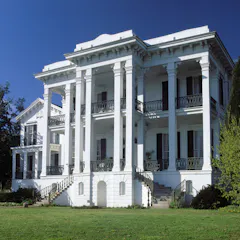
A fire destroyed the South’s largest surviving antebellum mansion – exposing the tensions between history and profit.
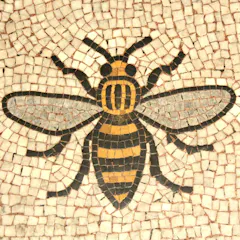
For many, the bee still stands as a symbol of resilience – a reminder of how the city came together in the face of tragedy.

People have long visited places like Auschwitz-Birkenau and, more recently, the Chernobyl nuclear power plant. Now we’re seeing ‘solidarity tours’ to Israel’s October 7 sites and war tourism in Ukraine.

We analysed hundreds of selfies and found some people were shamed more than others.
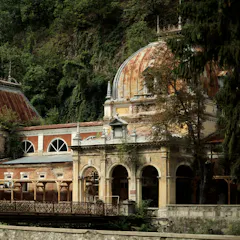
Dark tourism allows people to understand tragic events, experience a catharsis of emotions related to the deaths at a site and it can help people heal from collective trauma.
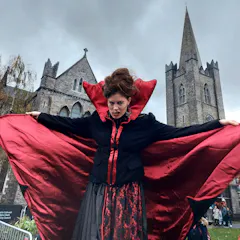
A recent addition to the “spooky” calendar of events are Gothic festivals, inspired by Gothic literature classics such as “Dracula”.
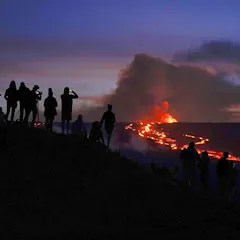
It’s very important for tourists to understand the risks of visiting volcanic sites and properly prepare themselves for excursions to see volcanic eruptions.
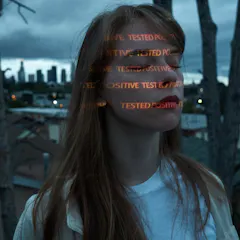
Dark tourism can help shine a commemorative light on the pandemic that has gripped society.
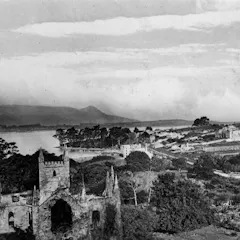
A series of films made between 1927 and 1952 shone a light on the convict ruins of Port Arthur and helped develop dark tourism in Australia.
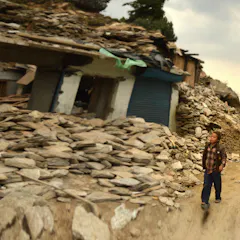
It isn’t always good advice for tourists to stay away. Often their money can help, as well as their skills.
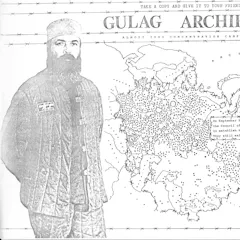
Performances of prison life are commonplace nowadays in gulag museums. Visitors can vividly imagine it all – the tears, pain and despair.
What does it mean to hold a party in a place with a long history of death and suffering?

For Africans and diasporans, learning about their heritage is important. But it remains to be seen how this will translate into a sustained continental and diasporan engagement.

The 2019 season has been one of Mount Everest’s deadliest for climbers.

The HBO series ‘Chernobyl’ has reignited interest among tourists to visit Pripyat, but growing up in the disaster’s shadow has made us wary.

You might think it morbid, but people have many reasons for visiting the sites of battles and disasters.

A new Netflix series focusing on tourism to sites of historic disasters or atrocities delivers no more than a contemporary version of a freak show.
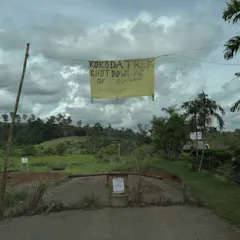
The blockade of the Kokoda Track by local landowners is a product of the complex political and economic issues currently affecting Papua New Guinea.
Top contributors
-

Professor of Marketing and Tourism, Nottingham Trent University
-
Associate Professor, Management, University of Technology Sydney
-
Assistant Vice-Principal and Director of the Moffat Centre for Travel and Tourism Business Development, Glasgow Caledonian University
-
Senior Lecturer in Sociology, Adelaide University
-
Associate Professor of Intercultural Communications (Tourism and Languages), Edinburgh Napier University
-
Lecturer in Tourism (Management/Marketing), University of Glasgow
-
Adjunct Fellow Management & Tourism, University of Technology Sydney
-
Senior Teaching Fellow, University of Portsmouth
-
Associate Professor of Architecture and Urban Design, RMIT University
-
Lecturer in Social Anthropology and International Development, University of Sussex
-
PhD candidate and co-owner of Desmond Tours, Technological University of the Shannon
-
Associated Professor in Tourism, Edinburgh Napier University
-
Assistant Professor in Digital Humanities, Trinity College Dublin
-
Senior Lecturer, Political Science and International Relations, University of Canterbury
-
PhD Researcher in Tourism Studies, Leeds Beckett University