
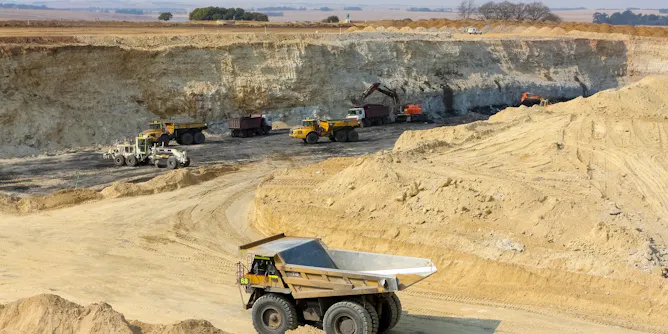
South Africa’s rural communities where mining licenses have been granted are often excluded from consultations and bear the brunt having their environment and livelihoods destroyed.
Articles on Customary law
Displaying 21 - 31 of 31 articles

The contested law also defines the jurisdiction of traditional leaders in terms of territory. But traditional community boundaries are actually set by personal relationships.

Villagers from a community in South Africa’s Eastern Cape fought to be consulted and for the power to consent to mining their land.
South Africa has made progress towards interrupting the looting of land by chiefs, state officials and mining capital.

Some communities on South Africa’s Platinum Belt have received substantial mining revenues, but these are controlled by chiefs.

The law can both make and break criminals.

Conservationists need to assess costs which allow for the adequate compensation of communities on protected lands, whose livelihoods are deeply entwined with forest use.

Although South Africa has taken steps to rid itself of the apartheid-era view of marriage as only heterosexual and monogamous, discrimination against religious marriages persist.
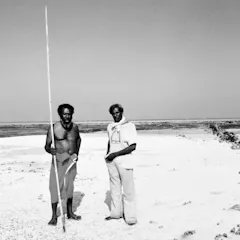
The ALRC report made some useful recommendations about how settler law could deal more fairly with Aboriginal people by taking their traditions and customs into account.

The emergence of the restorative justice philosophy responds to the need to change South Africa’s retributive criminal justice system to accommodate African legal practices.
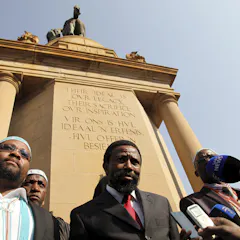
By challenging the courts, King Dalindyebo is testing the degree of impunity with which traditional leaders can get away.
Top contributors
-

Professor of African legal pluralism, University of the Western Cape
-
Associate Professor, Sociology, University of Fort Hare
-
Professor, Department of Legal Studies, School of Public Policy, University of Massachusetts Amherst
-
Professor of Legal Pluralism, Religious Family Laws, and Human Rights, University of Cape Town
-
Postdoctoral Research Fellow, University of Stirling
-
Professor, University of South Africa
-
Emeritus Professor, Poverty, Land and Agrarian Studies, University of the Western Cape
-
Senior Lecturer, Planning and Sustainability, University of Energy and Natural Resources
-
Lecturer, University of the Free State
-
Professor of Environmental Science, University of South Africa
-
Associate Lecturer, Université de la Nouvelle-Calédonie
-
Associate Professor of Development Studies, University of Oxford
-
Senior lecturer, University of Cape Town
-
Post-Doctoral Research Fellow, University of Johannesburg
-
Associate Research Scientist, Wellesley College