
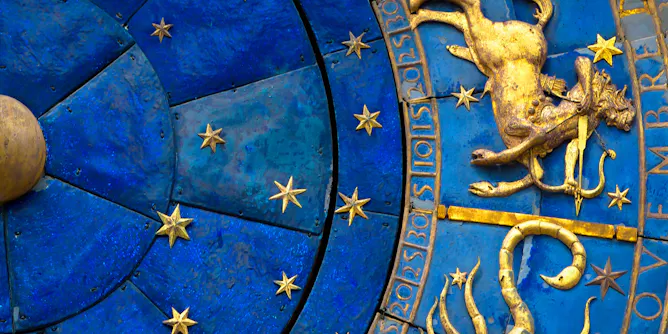
Astrology and astronomy were once practiced side by side by scientists like Galileo and Kepler. And they’re more similar than you might think.
Articles on Curious Kids US
Displaying 181 - 200 of 334 articles

It takes a lot of steps – and help from other people – to make a physical book you can hold in your hands.

Pictures and sound, flying through the air to a box in your house? Back in the 1940s, it seemed like a miracle.
A selection of fact-based journalism from 2022, covering topics ranging from super-earths to mosquito magnets, and from why we need to file tax returns to why we can’t just throw all our trash into volcanoes.

What’s true and what’s not? An expert in media literacy explains how to evaluate information.

A mix of New England and British traditions and historical events led to the particular poultry you’ll find on Thanksgiving tables everywhere.
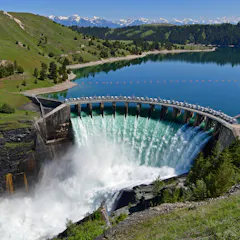
How does flowing water make electricity? An engineer explains hydroelectric generation.

Geographic, cultural and political identity are all part of being Indigenous.
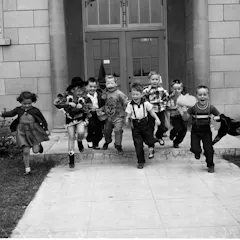
From its origins as a Celtic pagan ceremony to its celebration of all things gruesome and ghoulish today, Halloween has been reinvented over the centuries.
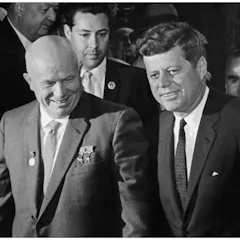
The US and the Soviet Union never engaged in direct combat, but their influences were felt worldwide, including in armed conflicts involving other nations.

The rise of e-commerce means billions of packages are delivered in the US each year. That creates traffic and pollution, but urban freight researchers are finding better way to get goods to customers.

For thousands of years, music has been an essential part of the human experience.

While people have wondered about déjà vu for a long time, only recently have scientists started experimentally investigating what might trigger it.

Paying for the stuff you want with currency is way easier than relying on chairs you made or chickens you raised.

Nature begins forming patterns at the molecular level – and sometimes they grow to enormous sizes.
Ant feet are equipped with an array of tools – from retractable sticky pads to claws to special spines and hairs – enabling them to defy gravity and grip virtually any surface.

People wouldn’t last long without the countless other species we depend on for survival.
An astrophysicist explains what wormholes are and how these theoretical space-time tunnels have popped up in the solutions to a set of decadesold equations.
An anthropologist explains some of the many ways animals use their tails, from balancing as they walk to attracting a mate.

A language scientist explains that talking was never invented but has evolved over hundreds of thousands of years.
Top contributors
-

Distinguished Professor Emeritus of Anthropology, Binghamton University, State University of New York
-
Assistant Professor of Astronomy and Astrophysics, University of Maryland, Baltimore County
-
Professor of Astronomy, UMass Lowell
-
Professor of Biology, Clarkson University
-
Associate Professor of Veterinary Clinical Sciences, Oklahoma State University
-
University Distinguished Professor of Astronomy, University of Arizona
-
Doctoral Student in Biomedical Sciences, University of South Carolina
-
Lecturer in Geosciences, University of Montana
-
Assistant Professor of Gastroenterology and Hepatology, School of Medicine, University of Washington
-
Executive Dean of the College of Arts, Sciences & Education and Professor of Biological Sciences, Florida International University
-
Assistant Professor of Biological Anthropology, University of Tennessee
-
Professor and Chair of History Department, Colorado State University
-
Vice President of Academic Affairs and Dean of the College, Grinnell College
-
Associate Professor of Physics, University of Richmond
-
Associate Professor of Astronomy, Boise State University