
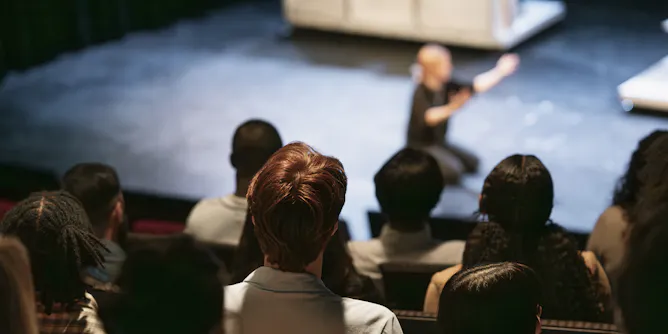
Economists say the theatre sector struggles from something called a ‘cost disease’. But what does that mean? And why is it so hard to fix?
Articles on Cultural economy
Displaying 1 - 20 of 26 articles
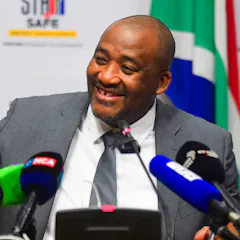
His department can enhance the country’s soft power and create jobs - but he’ll have to turn its reputation around and run its operations better.
South Africa’s National Arts Festival’s economic impact on its host city, Makhanda, is estimated to be US$4.5 million a year. But it also makes an impact on a social and an artistic level.

The report reveals that musicians are earning what mechanics are, but without formal benefits or the security of steady work.
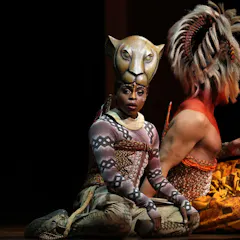
Problems limiting the growth of the sector aren’t self-inflicted. They’re firmly rooted in the country’s development agenda.
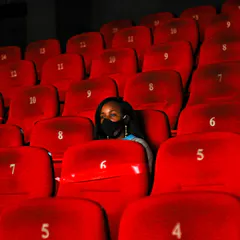
The pandemic has not only negatively impacted the creative sector in Africa, but it has also exposed its shortcomings.
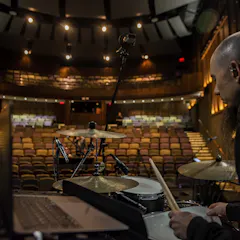
The plight of live music mapped in the new survey should concern anyone looking to the return of the country’s diverse live music scene.

The live streaming of music events online is full of potential – but right now few artists or hosting venues are earning much from it.
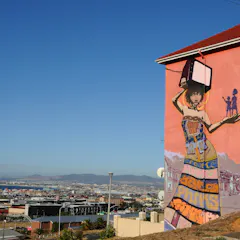
There aren’t a lot of studies on South Africa’s cultural economy. A new one finds a cluster of creative firms in Cape Town with high levels of innovation.
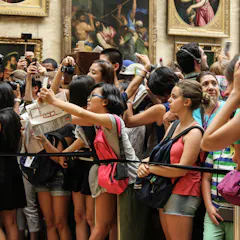
At a time when even accountants are looking for a more compelling understanding of value, it is imperative that the arts – where individual experience is central – resist the evangelical call of quantification.

The loss of creative spaces to development is pricing Sydney artists out of the city. But they could be encouraged back with new cultural policies.
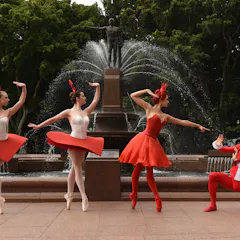
Women make up the majority of arts consumers and employees, but men dominate at every level of arts leadership.
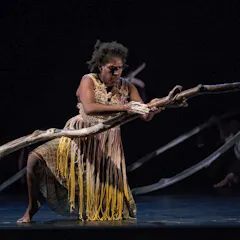
Why do students still describe Australia as a ‘young’ country lacking culture? Are our universities doing enough to to teach Australian films, artwork and books?

The notion of the creative sector driving fulfilling work as cities shed old industries has worn thin. But those creatives might be delivering value of a different kind, offering a more human future.

A comparison of 36 Australian cities finds that, unlike Europe, the data on their creativity and culture are not closely linked to their capacity to generate economic value and social well-being.

Writers like Frank Moorhouse and Ben Eltham have proposed new long-term fellowships to support writing. But a better way may be more smaller grants, offering opportunities for travel.

If the government decides to remove regional trade protections on the book industry, it should compensate Australian authors. But given how unlikely new funding would be, the best option – for everyone – is to leave well enough alone.

New York’s Met just announced more job cuts to balance its books as the shifting tastes and demographics make it harder to make a museum’s ends meet.
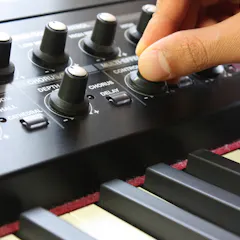
A focus on core subjects for 16-year-olds should not exclude arts, music or drama.

‘If these index findings are indeed true then our economic and cultural performance, our overall prosperity, should be better than it is.’
Top contributors
-

Professor of Economics, RMIT University
-
Associate of the Gordon Institute for Business Science, University of Pretoria
-
Professor of Cultural Economy, Adelaide University
-
Lecturer, Wits School of Arts, University of the Witwatersrand
-
Professor of Economics and Researcher at the South African Cultural Observatory, Rhodes University
-
Emeritus Professor of Cultural Research, Institute for Culture and Society, Western Sydney University
-
Researcher, University of Sydney
-
Engaged Research Fellow, Institute for Culture and Society, Western Sydney University
-
Distinguished Professor of Economics, Macquarie University
-
Senior Lecturer, Writing, Department of Media and Communication, Swinburne University of Technology
-
Professor of Art History and Museum Studies, School of Fine Art, History of Art and Cultural Studies, University of Leeds
-
Professor of English, Flinders University
-
Associate Professor and Principal Fellow (Hon), School of Culture and Communication, The University of Melbourne
-
Assistant Professor, University of Kinshasa
-
Lecturer in Cultural Policy and Management, School of Arts, University of the Witwatersrand