

Sense, sweat, memory and culture all play a part in our craving for salty food at the beach.
Articles on Cravings
Displaying all articles

GLP-1 drugs are the first medication to show promise for treating addiction to a wide range of substances.

High-fat, sugar-rich and salty foods are just so enjoyable to eat. And it’s not only you who thinks so – we’ve evolved that way.

Food cravings during pregnancy are common, with studies reporting anywhere between 50% and 90% of pregnant women experience a food craving at least once during their pregnancy.
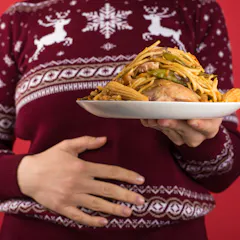
You likely know that the sight and smell of food can trigger cravings. But internal cues from your gut and your brain play just as important a role in the decisions you make around food.

Prescription medications can help people with opioid use disorder avoid the risks of relapse and overdose. But stigma based on misperceptions about addiction limits their use.
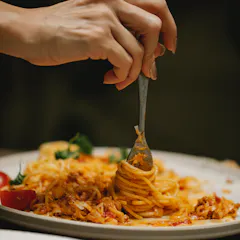
Reaching for pasta or a bowl of comforting soup? Here’s how the cooler months can affect our cravings.
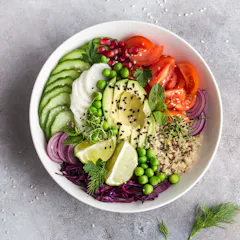
It sounds too good to be true. But the science on how different types of foods affect your glucose levels has been known for a long time.

Ready to party post-pandemic, but at the same time feeling shy? Here’s how social isolation affects the brain – and what research suggests about the effects of resocialization.

Our “food reward” system is powerful – and is largely behind why we crave unhealthy foods.

The crisis has made recovery more difficult for those with substance use disorders. The inability to get to support group meetings, stress and illness are just some of the factors.
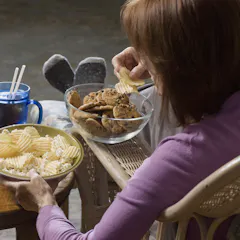
Women might find themselves reaching for sweets and potato chips in the two weeks before their period, even if they don’t have a diagnosis of PMS. An OBGYN explains these cyclical food cravings.

In a completely new approach to treating addiction, researchers use genetically engineered skin cells to inactivate cocaine and block cravings and addiction in mice.
Top contributors
-

Professor of Psychology, Indiana University
-
Professor of Community Health and Wellbeing, The University of Queensland
-
Director, Applied Research and Education Center & Associate Professor of Sociology, Indiana University
-
Associate Professor of Behavioral Neuroscience, Michigan State University
-
Postdoctoral Research Fellow, School of Human Movement and Nutrition Sciences, The University of Queensland
-
Postdoctoral Associate in Neuroscience, Virginia Tech
-
Assistant Professor of Obstetrics & Gynecology, University of Southern California
-
Researcher assistant professor in the Department of Anesthesia & Critical Care, University of Chicago
-
Professor, Indiana University
-
Tenure Track Research Fellow, University of Liverpool
-
Accredited Practising Dietitian and Lecturer, Southern Cross University
-
Research Fellow, Pyschology, Monash University
-
Professor in Psychological Science, Western Sydney University
-
Clinical Epidemiologist, Washington University in St. Louis
-
Catedrático de Nutrición y Bromatología del Departamento de Medicina Preventiva y Salud Pública, Universitat de València