
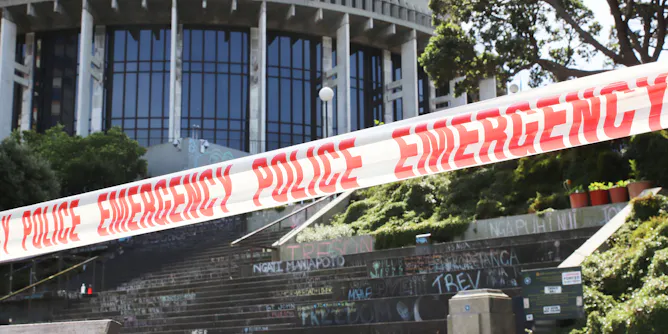
The report will inevitably be politicised. But it serves a useful function by airing grievances that will reemerge during any future public-health emergency.
Articles on COVID lockdowns
Displaying 1 - 20 of 43 articles
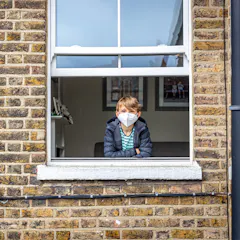
The COVID inquiry focused on whether lockdowns came too soon or too late, but the more important question is could they have been avoided altogether?

But homeworking throws up tricky paradoxes that need to be understood.
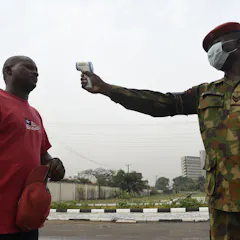
Nigeria’s reliance on soldiers for civilian enforcement comes with serious costs, including human rights abuses, corruption and a rise in violent crimes.
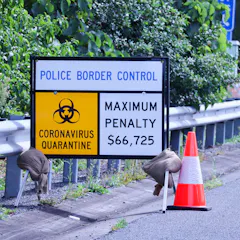
In our new study, people told us they’d been fined for leaving home to access drug treatment programs – and still couldn’t afford to pay, years later.
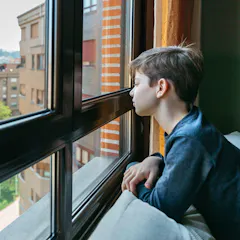
Social isolation can have serious adverse effects on young people’s brain development – effects that are long lasting.

The COVID-19 pandemic is over, though of course the virus is still with us. Looking back, how should we judge the government response? What did we do right, and what could be done better?

Amid all the stresses of lockdowns, our research found there was some good news: children had the chance to better develop their home language.
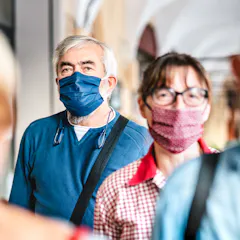
A new study has attempted to quantify the pandemic’s effects on global health by surveying people across 13 countries.

Research shows what happens when people are forced to swap their favourite shops.

The first thing journalists learn is that confidential sources must be protected except in extraordinary circumstances.

Both New Zealand and Iceland kept death rates from COVID low, but used different strategies. While New Zealand relied on lockdowns and border closures, Iceland ramped up its testing capacity.
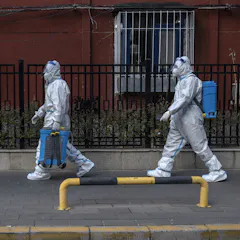
Strict lockdowns, quarantines and testing have prevented many people in China from catching COVID-19. With concerns over Chinese vaccine efficacy and uptake, China may be facing a looming COVID-19 surge.
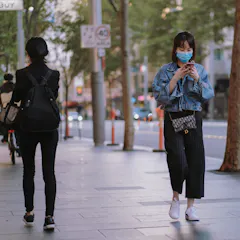
It seems like no-one is mentioning the dark days of lockdowns. But it’s worth sharing our feelings as we look to an uncertain future.

From curbside pick-up to online delivery, COVID-19 has had a significant impact on how we consume food. But will those impacts be permanent?
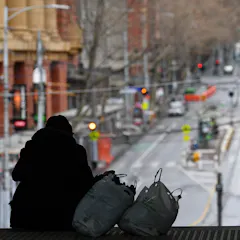
Review chaired by Peter Shergold found that while the pandemic affected us all, its “burden was not shared equally”.
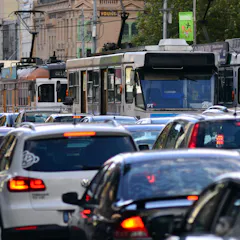
City planning needs up-to-date data on where people work, how they get to work and how far they travel. Normally the census provides that, but this time round our biggest cities were in lockdown.
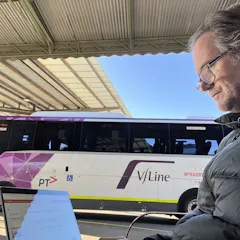
Can we now work from anywhere with an internet connection? We interviewed workers who left the city but held onto their jobs to see how they fared. One year on, some had no regrets. Others moved back.
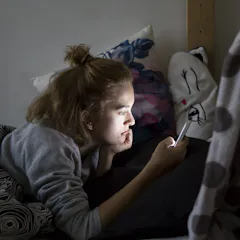
Functional neurological disorder – not Tourette’s – is at the root of the post-pandemic tic problem.

The grammar of persuasion can be subtle – but pro-lockdown tweeters tended to be more direct and less conciliatory than those they opposed.
Top contributors
-

Lecturer in Data Science, University of Sheffield
-
Postdoctoral Research Fellow, Sustainable Urban Precincts Project, RMIT University
-
Scientia Professor of Economics, UNSW
-
Researcher in Health Economics, University of Oxford
-
Professor, infectious diseases, University of Iceland
-
Associate Professor, Sydney School of Public Health, University of Sydney
-
Lecturer, The University of Melbourne
-
Senior Lecturer, Geography and Sustainability Education, The University of Melbourne
-
Senior lecturer, University of Technology Sydney
-
Senior Specialist Scientist, South African Medical Research Council
-
Professor of Statistics and Data Science, Te Herenga Waka — Victoria University of Wellington
-
Postdoctoral Research Fellow at the Refugee Trauma and Recovery Program, School of Psychology, UNSW
-
Associate Professor, Health Economics, University of Oxford
-
Professor of Anthropolgy, University of Auckland, Waipapa Taumata Rau
-
Professor of Urban Analytics, University of Leeds