
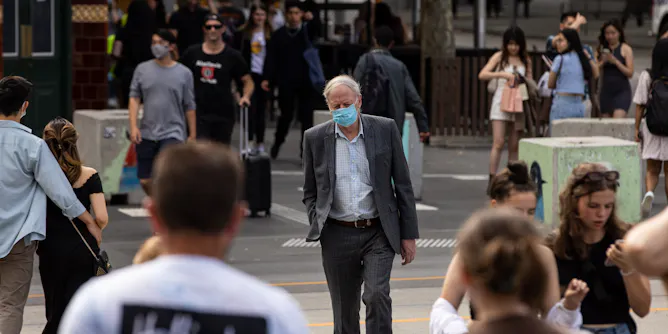
Despite its defeat at the election, the Morrison government’s pandemic legacy is hindering Australia’s ability to manage the pandemic.
Articles on COVID lockdowns
Displaying 21 - 40 of 43 articles
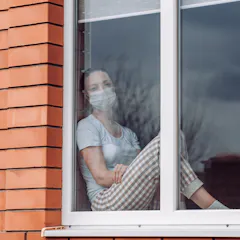
We found men managed to bounce back quicker after lockdowns ended, in part due to their involvement in sporting and recreational activities.
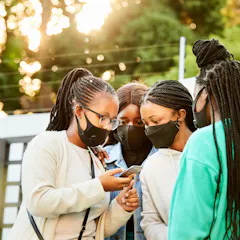
Many young women faced challenges with online learning and studying at home during COVID, but some showed resilience and a determination to achieve their educational goals.

Scientists are urgently trying to find the cause of the global outbreak of severe liver disease in young children. So far, adenovirus seems to be the best lead.

Greater focus on preventing cancer including a more personalised screening programme could make a real difference, one expert argues.

Governments acted swiftly to reduce homelessness during the pandemic. Their actions could tell us how to end it permanently.

For many small businesses the past month has been the most difficult period of the pandemic. Australia needs a better plan to help more survive.

The South African government has chosen a pragmatic approach that balances the potential direct and detrimental indirect effects of Covid.

We analysed mobility data provided by almost one million people in England between January 2020 and May 2021, seeking to understand trends in residential visits during the pandemic.
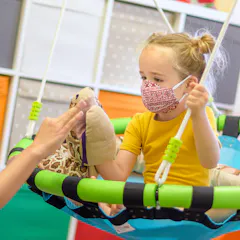
Public health measures introduced to protect people from COVID have often exacerbated health conditions and delayed access to therapy for those living with disabilities.

City centres have been hit hard by lockdown measures - but can artists and entrepreneurs really breathe life into the space?

A statistically designed random sampling scheme, based on as few as 100 people, would give a very high probability of detecting if there are any COVID-19 cases and highlight at-risk hotspots.

Almost all the people in the study were experiencing feelings like anxiety, worry, anger, boredom or frustration.

Self-harm is often a response to mounting stress and uncertainty. So it’s not surprising rates have gone up during the pandemic. Self-harm can be a means to cope and establish control over emotions.

Public health measures like lockdowns, quarantine and mandatory masks are important for managing the pandemic. But they can take a unique toll on refugees’ mental health, as our new research shows.

Palmer’s anti-lockdown ads were not breaching any laws, so the decision about whether to run them become a purely ethical one. In the end, Nine has made the right decision.
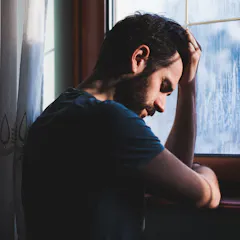
We know stressful circumstances make people more vulnerable to developing addictions. Meanwhile, people seeking help for addiction may have had their treatment disrupted because of lockdowns.

Many interactions between teacher and student may appear insignificant or random, but they are important for learning and building relationships.

With lockdowns likely to be a part of life in Australia until a significant majority of us are vaccinated, it’s timely to think about what we can do to look out for people who may be vulnerable.

COVID will be with the world for the foreseeable future. The challenge is to learn to live with the virus effectively, protecting public health while reconnecting with each other.
Top contributors
-

Lecturer in Data Science, University of Sheffield
-
Postdoctoral Research Fellow, Sustainable Urban Precincts Project, RMIT University
-
Scientia Professor of Economics, UNSW
-
Researcher in Health Economics, University of Oxford
-
Professor, infectious diseases, University of Iceland
-
Associate Professor, Sydney School of Public Health, University of Sydney
-
Lecturer, The University of Melbourne
-
Senior Lecturer, Geography and Sustainability Education, The University of Melbourne
-
Senior lecturer, University of Technology Sydney
-
Senior Specialist Scientist, South African Medical Research Council
-
Professor of Statistics and Data Science, Te Herenga Waka — Victoria University of Wellington
-
Postdoctoral Research Fellow at the Refugee Trauma and Recovery Program, School of Psychology, UNSW
-
Associate Professor, Health Economics, University of Oxford
-
Professor of Anthropolgy, University of Auckland, Waipapa Taumata Rau
-
Professor of Urban Analytics, University of Leeds