

As we prepare for the festive season, it’s easy to let COVID boosters fall off our to-do lists. But COVID is still circulating and new shots are available.
Articles on COVID booster
Displaying 1 - 20 of 33 articles

Public health experts and professional health care associations have expressed concern that the guidance goes against research on the vaccine’s benefits in pregnancy.
The FDA’s new framework for COVID-19 vaccines breaks from established procedure for how the government establishes vaccine guidelines.
Being able to access a COVID booster on the NHS is important for protecting those who are most vulnerable from COVID.
COVID vaccines will go on sale privately in England and Scotland from April 1 for all those aged 12 and over. In the US, they have been available to buy commercially since 2023, with the private sector…
Australia seems to be focusing on boosters for people aged 75 and over, with its latest recommendations. But that may change.

Elderly people living in aged care are among those most at risk. But not enough are getting vaccinated as we approach winter.

People can get infections sooner and we now have a mix of variants in the population. Reinfections will likely become more common and the infection rate will rise.

COVID-19 is the third-leading cause of death in Canada, but it’s older people who are dying. That we accept this and carry on as if the pandemic is over reveals our ageism: We don’t value older people.

Targeting vaccine campaigns only at vulnerable groups in future will, paradoxically, leave them at greater risk.
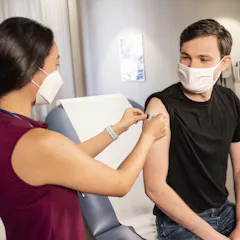
From February 20, adults who haven’t had a COVID infection or COVID vaccine dose in the past six months are eligible for a booster, irrespective of how many previous doses they’ve had. So why get one?
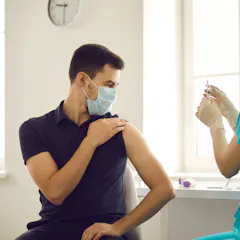
We don’t have a lot of scientific evidence on how much additional protection a fourth dose would offer younger adults. But on balance, giving them the option could be worthwhile.
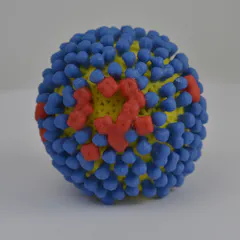
Flu and COVID-19 are expected to make headway during the current respiratory virus season. The best way to stay healthy is vaccination in conjunction with personal protective measures.

A review of COVID booster acceptance statistics suggests we may be unlikely to see coverage go much beyond 80% – but we can still learn from others’ mistakes when it comes to health messaging.
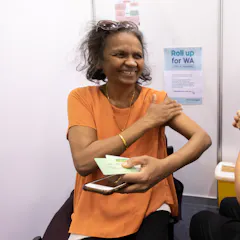
As the virus that causes COVID evolves, keeping up with it remains a challenge for variant-specific vaccines. The booster you can get now is the best one to get.

The UK has become the first country to approve the shot, which targets omicron alongside the original strain of SARS-CoV-2.

If you’re aged 30 or over and it’s been three months since you either had COVID or received your last COVID vaccine, you’re eligible for a booster.

Fourth COVID shots have been approved for over-30s, a necessary step to help protect Australians this winter. But we should be doing more.

A new generation of vaccines and boosters against SARS-CoV-2 may take a page from the anti-influenza playbook, with shots periodically tailored to target the most commonly circulating virus strains.
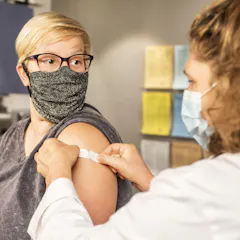
Poor areas are more likely to have low COVID vaccination rates, even though residents in these areas have greater exposure to the virus.
Top contributors
-

Professor, School of Biomedical Sciences and Pharmacy, University of Newcastle
-
Professor of Nursing, Purdue University
-
Professor of Global Biosecurity, NHMRC L3 Research Fellow, Head, Biosecurity Program, Kirby Institute, UNSW
-
Postdoctoral Fellow in Virology and Immunology, University of Colorado Boulder
-
Postdoctoral fellow, McGill University
-
Professor of Biostatistics and Epidemiology, Adelaide University
-
Professor, The Children's Hospital at Westmead Clinical School and Sydney Infectious Diseases Institute, University of Sydney
-
Vice Chancellors Senior Research Fellow in Immunology, RMIT University
-
Academic Specialist & Senior Lecturer in Cancer Sciences & Digital Health | Superstar of STEM | Science Communicator, The University of Melbourne
-
Research Fellow, Vaccine Uptake Group, Murdoch Children's Research Institute
-
Senior Lecturer in Immunology, Cardiff Metropolitan University
-
Professor of Paediatrics and vaccinologist, Royal Childrens Hospital, University of Melbourne and Murdoch Childrens Research Institute (MCRI); Associate Dean International, University of Melbourne, Murdoch Children's Research Institute
-
Professor, School of Population Health, UNSW
-
Professor and Laboratory Head, The University of Melbourne
-
Professor of Medicine, Pathology & Laboratory Medicine, and Epidemiology & Biostatistics, Western University