

The atmosphere of Mars is more than 96% carbon dioxide, but the planet is cold because its atmosphere is extremely thin, very dry and further away from the Sun.
Articles on Covering Climate Now
Displaying 21 - 40 of 86 articles

In this special global newsletter, experts share their visions for ambitious climate action.
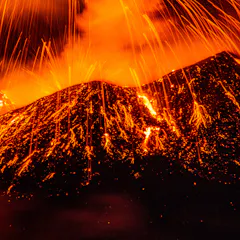
There is evidence for catastrophic climate change from protracted volcanic eruptions in the past, but since the 1950s the emissions we produce far exceed those from volcanic activity.

The vast emissions caused by these individuals suggest that a very small share of humanity has a very significant role in global warming.
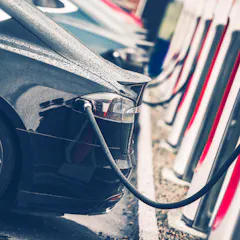
In New Zealand, where more than 80% of electricity is renewable, the carbon footprint of electric cars is 62% lower than that of fossil cars. But their lithium battery has other environmental impacts.
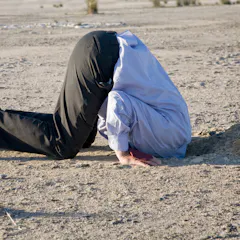
People are more likely to deny climate change if they’re inclined toward hierarchy, have lower levels of education or are more religious. But the strongest predictor of denial is a person’s politics.

Individual actions to reduce emissions are important in two ways. First, they have an immediate impact, and secondly, adopting low-carbon life choices sends a clear message to political leaders.
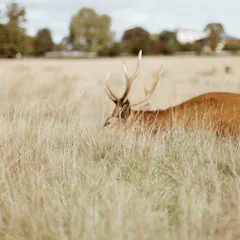
Restoring Britain’s woodlands and peatlands isn’t just a utopian dream.
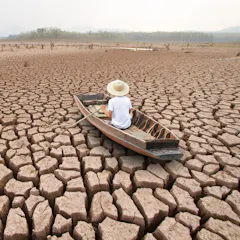
Climate change was once considered ‘too slow’ for great storytelling. Now, long-form novels are struggling to keep up with breakdown.
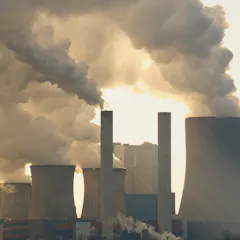
Had the EU eliminated all subsidies between 2010 and 2017, its emissions would have been 9% lower over the period and governments across the EU would have saved US$441 billion.

Himalayan villages are growing food in the forests, a traditional model that can fight both land clearing and world hunger.
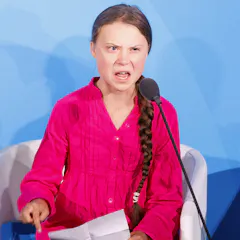
The human voice is a sonic fingerprint - and Greta Thunberg’s tells a powerful story.
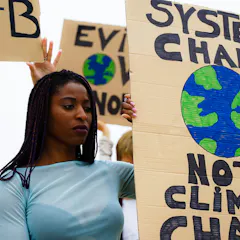
The climate strikes have allowed young people to seize the narrative on climate change. Here’s how the media should empower them.

Automation can be a more efficient use of resources, but it may also mean people consume more.
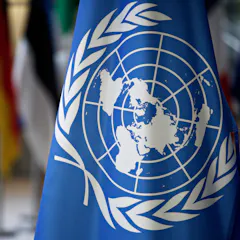
The history of the UNFCCC shapes what is and isn’t possible today.
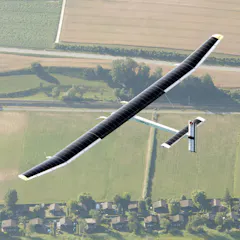
Unlike a car, you can’t just stick a battery-powered engine in a plane and expect it to fly. Despite that, small planes might be the future of electric flight.

We’ve spent years publishing smart, practical research on real climate solutions. Now it’s time to put it all into practice.

Politicians might get the most airtime when it comes to climate change, but Australians would rather hear about it from weather presenters.
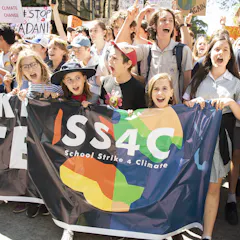
Young people have reason to protest today and call for action on climate change. But they risk anxiety if they feel they are not heard and nothing is done.
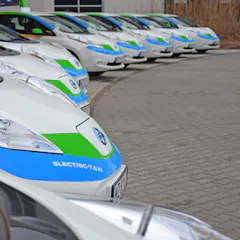
New Zealand is introducing new procurement rules to better link government spending with climate change policy. The first target is to reduce emissions profile of the government’s vehicle fleet.
Top contributors
-

Professor of Environmental Science, Auckland University of Technology
-
Professor in Applied Mathematics, Te Kunenga ki Pūrehuroa – Massey University
-
Professor of Physical Geography (Climate Science), Te Herenga Waka — Victoria University of Wellington
-
Professor of Geology, Auckland University of Technology
-
Emeritus Professor, Energy and Climate Mitigation, Te Kunenga ki Pūrehuroa – Massey University
-
Professor of Cognitive Psychology and Director of the Institute for Climate Risk and Response, UNSW
-
Senior Lecturer in Social Sciences and Public Policy, Auckland University of Technology
-
Associate Professor in Environmental Studies, Te Herenga Waka — Victoria University of Wellington
-
Professor Environment and Health, University of Otago
-
Professor, University of British Columbia
-
Senior Lecturer in English, Manchester Metropolitan University
-
Honorary Fellow, Australian Museum
-
Professor of Landscape Architecture and Urban Forestry, Leeds Beckett University
-
Associate Professor of Employment Relations, GEM
-
Research Chair, African Climate and Development Initiative, University of Cape Town