
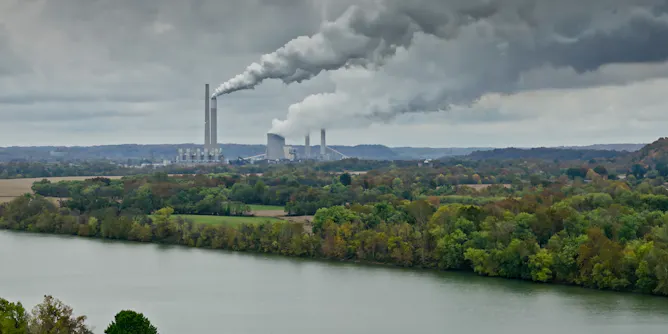
In the world of cost benefit analysis, if an impact isn’t monetized, it doesn’t exist. A former EPA official explains what’s changing now and why it matters.
Articles on Cost-benefit analysis
Displaying all articles
A new UN report finds that the true global cost of producing food is $12.7 trillion more than consumers pay at the checkout counter. We pay those uncounted costs in other ways.
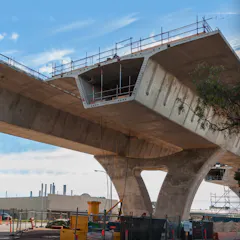
Until now we’ve paid lip service to rigorous assessment of big projects, and it’s hard to do more than that when they are inherently political.

It’s the question still hanging over Brisbane’s 2032 Olympics, which made Victoria cancel its Commonwealth Games: do such mega events pay their own way? The evidence suggests they’re unlikely to.
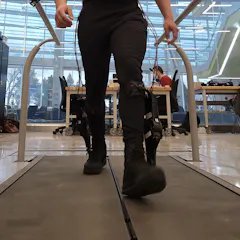
Asking users the dollar value of the costs and benefits of walking in exoskeletons is a better way of finding out how users feel about them than measuring calories saved.
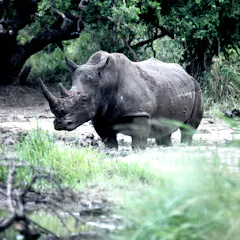
To what extent should the costs of protecting globally valued rhinos be carried by their local custodians?
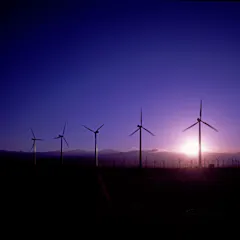
Providing government subsidies for emerging clean technologies could unlock their transformative potential.

The Trump administration has used executive orders, deregulation and delays to reduce environmental regulation. Biden administration officials will use many of the same tools to undo their work.

A better way of evaluating these projects would be to look at their value and sustainability.
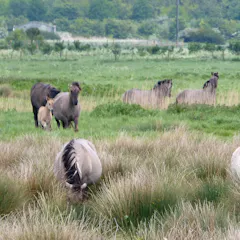
The Toolkit for Ecosystem Service Site-based Assessment (TESSA) allows NGOs to quantify the economic advantages of maintaining ecosystems, helping preserve biodiversity by putting a value on it.

Dogs’ lives have monetary value, and several researchers recently measured it. Their method shows how research and funding decisions can be made. Just don’t tell Bowser he’s worth only $10,000.
Top contributors
-

Visiting Professor of Law and Environmental Affairs, Indiana University
-
Freelance conservation ecologist, Nelson Mandela University
-
Emeritus Professor, Centre of Policy Studies, Victoria University
-
Professor of Urban Policy and Director, Urban Futures Enabling Impact Platform, RMIT University
-
Associate Professor of Conservation Science, University of Southampton
-
Associate Professor of Public Health, The Ohio State University
-
Associate Professor of Robotics and Mechanical Engineering, University of Michigan
-
Associate Professor in Conservation Geography, University of Helsinki
-
Deputy Director for Research, Center for Risk and Crisis Management, University of Oklahoma
-
Full Professor of Complex Projects Business, Polytechnic University of Milan
-
Professor of Energy and Climate Change, UCL
-
Oppenheimer-Jamma Research Chair in African Wildlife Economies, Stellenbosch University
-
Professor of political science, University of Oklahoma
-
Executive Director, Swette Center for Sustainable Food Systems, Arizona State University