
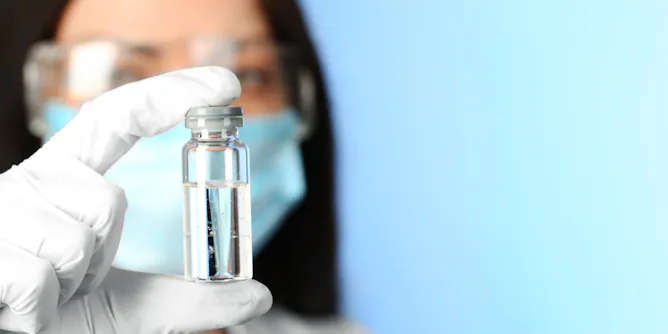
The vaccine hasn’t completed phase 3 trials, so we can’t be sure it will be safe and effective for all. The Australian government’s deal is contingent on these trials being successful.
Articles on Coronavirus vaccines
Displaying 101 - 120 of 125 articles
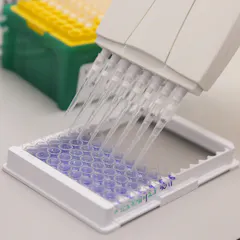
The federal government has signed a letter of intent with drug company AstraZeneca to supply a COVID-19 vaccine to Australia.
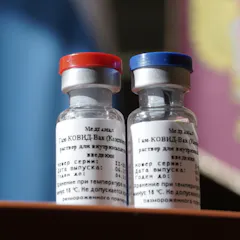
As Russia fast tracks a coronavirus vaccine, scientists worry about skipped safety checks – and the potential fallout for trust in vaccines if something ends up going wrong.
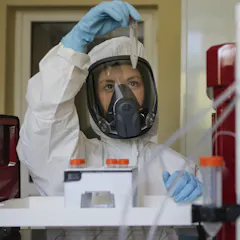
If the vaccine does not protect individuals from infection, those who have been vaccinated could falsely believe they are protected.
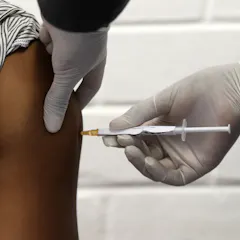
Whether a coronavirus vaccine involves a live virus or a carrier organism, it will probably require more than one injection. But that’s not a bad thing.

The Russian cyberthreat, now targeting coronavirus vaccine research, goes back over three decades, extends into the country’s educational systems and criminal worlds, and shows no signs of letting up.
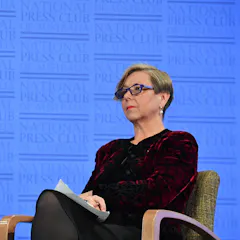
Jane Halton on the risk of ‘vaccine nationalism’
Michelle Grattan discusses the coronavirus crsis with chair of CEPI Jane Halton
CC BY-NC-ND9.01 MB (download)
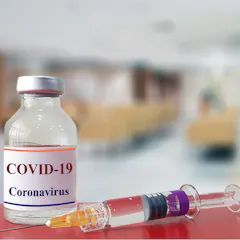
South Africa is trialling a vaccine for COVID-19. Here's what you need to know about it.

Tobacco has imposed a terrible toll on global health, but it could be used to produce the molecules we need to fight COVID-19.
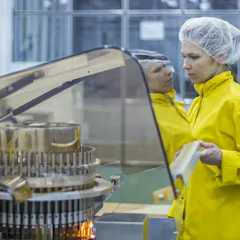
The UK is investing heavily in preparation for mass manufacturing of a working COVID-19 vaccine.
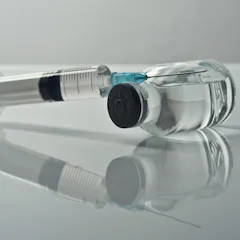
Vaccine development is usually a long process. The coronavirus pandemic is forcing researchers to innovate and test potential vaccines faster than ever before.
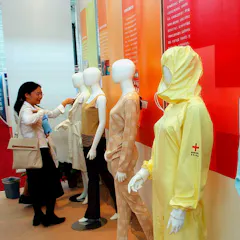
COVID-19 and SARS are both deadly – but different. SARS symptoms were quick to appear, making it easier to contain. Because health officials were able to contain it, the virus died off.

These online spaces are more regulated than many media reports would have you believe. And the vast majority of dark web traders are steering clear of exploiting the pandemic.

As most of the world early awaits a vaccine for COVID-19, a smaller group of people scoffs. They could spell real trouble in the effort to build widespread immunity.
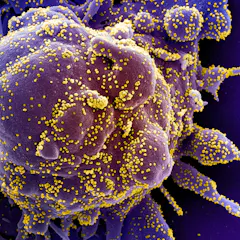
Fundamental research has informed what we know about coronaviruses up until the pandemic. With possible future outbreaks, continuing and developing this type of work is crucial.
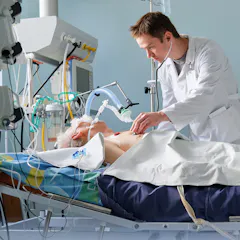
Mechanical ventilators are often used in life and death situations, treating patients with pneumonia, brain injury and stroke. One mechanical ventilator can cost up to A$82,000.

The head lice drug Ivermectin has stopped SARS-CoV-2, the virus that causes COVID-19, from replicating in lab tests. But we don’t know if it will work as a treatment for people with coronavirus.
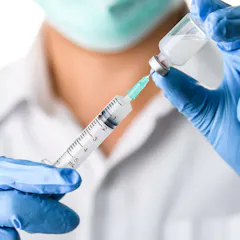
Researchers around the world are working hard on developing a vaccine – but the process may still take 12-18 months. Here’s why.
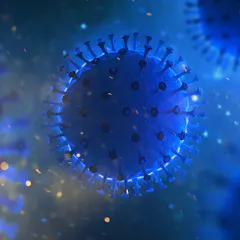
It seems as though every other day we’re told a cure has been found for coronavirus. This is not strictly true – but there are some therapeutic options showing promise.
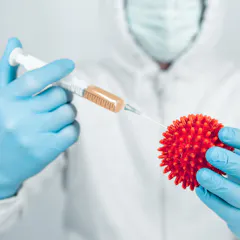
Under pressure to develop a coronavirus vaccine, researchers have turned to protein synthesis, genetics and hybrid viruses. It is likely a mix of these approaches will be used to fight the coronavirus.
Top contributors
-

Professorial Fellow, University of Canberra
-
Professor of Medicine, University of East Anglia
-
Principal Lecturer, Microbiology and Biomedical Science Practice, Fellow of the Institute of Biomedical Science, University of Brighton
-
Associate Professor of Biology, Rochester Institute of Technology
-
Early Career Research Leader, Emerging Viruses, Inflammation and Therapeutics Group, Menzies Health Institute Queensland, Griffith University
-
Associate Professor of Marketing, University of Technology Sydney
-
Associate Professor of Health Law, Policy and Management, Boston University
-
FAPESP-Postdoctoral Researcher at the Laboratory of Structural Biology and Zoochemistry, IB/RC (UNESP), University of São Paulo State
-
Professor, School of Population Health, UNSW
-
Senior Lecturer in Biochemistry and Cell Biology, University College Cork
-
Dean of the National School of Tropical Medicine and Professor of Pediatrics and Molecular Virology & Microbiology, Baylor College of Medicine
-
Senior Research Fellow in Global Health, University of Southampton
-
Professor, Languages, Literatures and Cultures, Queen's University, Ontario
-
Professor of Economics, University of Birmingham
-
Clinical professor, University of Glasgow