

Severe COVID disease is rare in children, but high case numbers are seeing more kids being affected.
Articles on Coronavirus vaccines
Displaying 1 - 20 of 125 articles
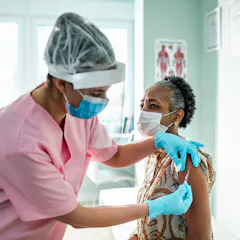
Because COVID-19 is a relatively new virus, researchers still aren’t sure exactly how long vaccines and prior infections provide protection.
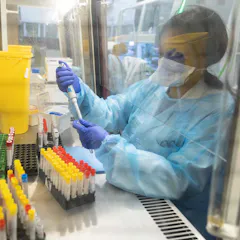
Careful lab work will complement public health data as researchers worldwide focus on omicron, asking questions about contagiousness, severity of disease and whether vaccines hold up against it.

Listen to experts discuss the business practices of pharmaceutical companies in The Conversation Weekly podcast.

Should countries require COVID-19 vaccination for entry while vaccines remain globally scarce?

With limited vaccines available in early 2021, the CDC had to decide which people received vaccines first. With the help of a supercomputer, researchers have shown that the CDC did an excellent job.

Schools and parents have been targeted with fake vaccine consent forms peddling misinformation about COVID-19 vaccines.
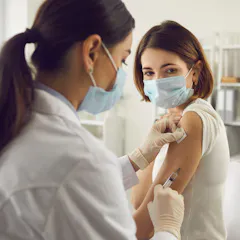
Want to avoid long COVID? Get vaccinated.
A new study from Israel on naturally acquired immunity has caused a stir – and some misinterpretation.
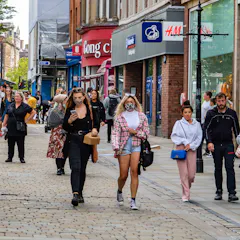
As well as protecting a great number of people, giving vaccines away can raise the UK’s influence abroad and perhaps even change how the country perceives the pandemic.
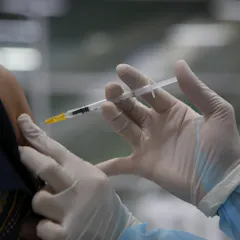
People who had previously caught the coronavirus, which is similar to having an additional vaccine dose, had more neutralising antibodies against COVID variants after being vaccinated.

Getting first doses to countries short of supplies should be the priority, argues the World Health Organization.

Being immunocompromised appears to affect the vaccine response, but this seems to vary depending on the causes of the person’s low immunity.

Vaccines can’t provide 100% protection, so it’s not a failure or surprise when some vaccinated people get sick with COVID-19. The good news is their cases are much less likely to be severe or fatal.

With cases increasing worldwide, any vaccine that could stop people from getting ill is highly valuable.

Simultaneously high levels of virus and vaccination will give further evidence of just how protective COVID-19 vaccines are.
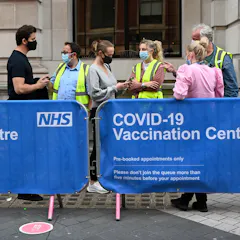
Most people being hospitalised with COVID-19 in the UK have had both vaccine doses, but this is to be expected as vaccination rates rise.

The British government has opted to press on with reopening and not wait for the number of fully vaccinated people to rise, while Japan introduces new restrictions ahead of the Olympics.
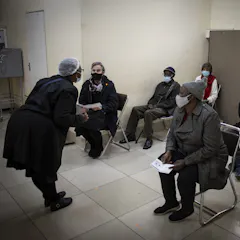
South Africa now appears to have made a massive error in not rolling out AstraZeneca, while in the UK a study suggests a mix of vaccines may be the way forward.

With higher rates of vaccination, the current COVID outbreaks may have been more easily managed.
Top contributors
-

Professorial Fellow, University of Canberra
-
Professor of Medicine, University of East Anglia
-
Principal Lecturer, Microbiology and Biomedical Science Practice, Fellow of the Institute of Biomedical Science, University of Brighton
-
Associate Professor of Biology, Rochester Institute of Technology
-
Early Career Research Leader, Emerging Viruses, Inflammation and Therapeutics Group, Menzies Health Institute Queensland, Griffith University
-
Associate Professor of Marketing, University of Technology Sydney
-
Associate Professor of Health Law, Policy and Management, Boston University
-
FAPESP-Postdoctoral Researcher at the Laboratory of Structural Biology and Zoochemistry, IB/RC (UNESP), University of São Paulo State
-
Professor, School of Population Health, UNSW
-
Senior Lecturer in Biochemistry and Cell Biology, University College Cork
-
Dean of the National School of Tropical Medicine and Professor of Pediatrics and Molecular Virology & Microbiology, Baylor College of Medicine
-
Senior Research Fellow in Global Health, University of Southampton
-
Professor, Languages, Literatures and Cultures, Queen's University, Ontario
-
Professor of Economics, University of Birmingham
-
Clinical professor, University of Glasgow