

COVID-19 variants of concern have changed the game. We need to recognise and act on this to avoid future waves of infections, yet more lockdowns and restrictions, and avoidable illness and death.
Articles on Coronavirus vaccines
Displaying 41 - 60 of 125 articles

If you’ve already had the coronavirus and recovered, you might be tempted to give the vaccine a pass. A scientist explains why the shot offers the best protection against future infection.
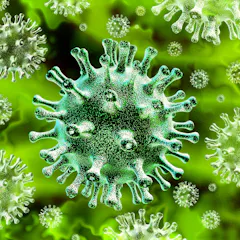
Scientists around the world are trying to come up with universal coronavirus vaccines to combat the emergence of variants. But what are these vaccines and are they even possible?

Surveys suggest people trust companies more than government and the media, showing they have an important role in helping end the pandemic.
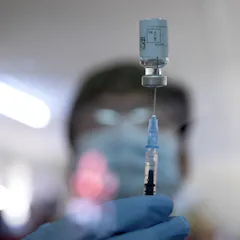
Divisions among Catholics have created doubts about the moral acceptability of one of the COVID-19 vaccines. An expert explains why there isn’t one ‘Catholic view’ on the issue.
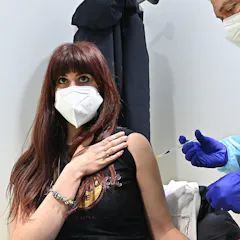
Injected vaccines tend to generate good immunity overall but less of a response in the nose and throat, where the virus enters and spreads from.

University of Canberra Professorial Fellow Michelle Grattan and University of Canberra Assistant Professor Caroline Fisher discuss the week in politics.

Scott Morrison needs a lot of good fortune by May if he’s to enjoy a good run into the budget.

Health Minister Greg Hunt was admitted to hospital on Tuesday with “a suspected infection”.
Religious opposition over a link to abortions performed decades ago and misunderstandings about effectiveness could lead to a nightmare of angry patients and wasted vaccine.

With multiple variants of concern now present in the UK, attention is turning to when updated vaccines for them will be ready.
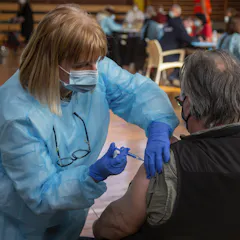
You’ve been vaccinated; can you now safely see your friends and family? New research hints that vaccinated people may be less likely to transmit the coronavirus, but they are not 100% in the clear.

Michelle Grattan discusses the political week that was with Professor Paddy Nixon.

The Johnson & Johnson vaccine is different from the Moderna and Pfizer vaccines in a few important ways that could make it a huge help to global vaccination efforts.

Aged-care residents will be among the first to receive the Pfizer vaccine when the rollout begins next week. For some, the process of consenting to the vaccine could raise ethical questions.

While some of the authorised COVID-19 vaccines are grown, others are built.
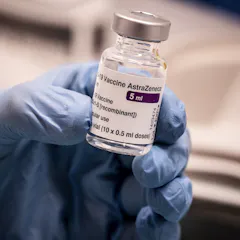
The Oxford/AstraZeneca vaccine is the latest to struggle against the South African variant in trials, while in Israel vaccines may be beginning to have an effect.
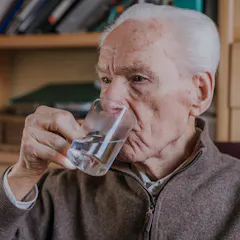
Providing multivitamin and mineral supplements to the elderly could be a cheap way of boosting the protectiveness of COVID-19 vaccines.
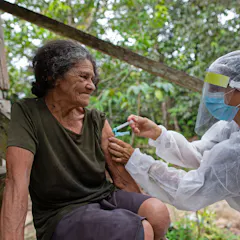
The world’s most advanced economies will incur half the total costs associated with a failure to vaccinate poorer nations, which could exceed $4 trillion if only half their citizens are inoculated.
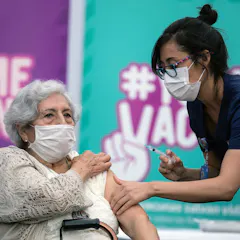
Chile made a strong case for price reductions, cut deals with multiple providers and participated in trials for early access.
Top contributors
-

Professorial Fellow, University of Canberra
-
Professor of Medicine, University of East Anglia
-
Principal Lecturer, Microbiology and Biomedical Science Practice, Fellow of the Institute of Biomedical Science, University of Brighton
-
Associate Professor of Biology, Rochester Institute of Technology
-
Early Career Research Leader, Emerging Viruses, Inflammation and Therapeutics Group, Menzies Health Institute Queensland, Griffith University
-
Associate Professor of Marketing, University of Technology Sydney
-
Associate Professor of Health Law, Policy and Management, Boston University
-
FAPESP-Postdoctoral Researcher at the Laboratory of Structural Biology and Zoochemistry, IB/RC (UNESP), University of São Paulo State
-
Professor, School of Population Health, UNSW
-
Senior Lecturer in Biochemistry and Cell Biology, University College Cork
-
Dean of the National School of Tropical Medicine and Professor of Pediatrics and Molecular Virology & Microbiology, Baylor College of Medicine
-
Senior Research Fellow in Global Health, University of Southampton
-
Professor, Languages, Literatures and Cultures, Queen's University, Ontario
-
Professor of Economics, University of Birmingham
-
Clinical professor, University of Glasgow