

The pandemic has presented many ethical dilemmas for which there is no one right answer. Here’s how to interact with people who may have a different view from you.
Articles on Coronavirus insights
Displaying 101 - 120 of 1079 articles

A new paper looks at referrals to a long COVID clinic in England over the past two years. The results are good news.
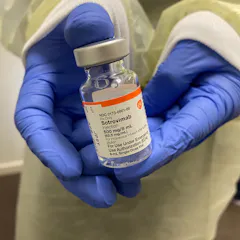
This guidance replaces previous conditional recommendations for the use of these drugs and is based on emerging evidence that they’re not likely to work against omicron.

Belief in conspiracy theories can be incredibly damaging. So we must resist, and engage with those who deny the facts where possible.
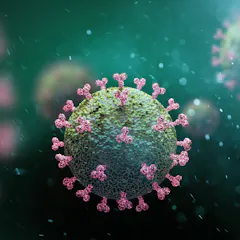
BA.4.6 seems to be even better at evading our immune response than BA.5.

Since immunity from COVID vaccination begins to wane over time, it’s important that everyone, irrespective of age, receives their boosters as soon as they are eligible to do so.

Though COVID is mild for most children, it can be serious for some. Where we have safe and effective vaccines, there’s no sense in not rolling them out.

The COVID alert level for the UK was recently downgraded. Here’s what that means.

Johnson’s leadership during the pandemic has been characterised by failures of governance and breaches of ethics.

Only a portion of excess deaths had COVID mentioned on the death certificate. But the pandemic could be affecting death rates indirectly.

Evidence has shown that people with allergies and asthma are at lower risk of contracting COVID-19. Here’s why we think this might be.

A recent study suggests one in eight people who get COVID will go on to develop long COVID.

People who get COVID continue to face increased risks of developing some neurological and psychiatric conditions, like psychosis and dementia, for up to two years afterwards.

The UK has become the first country to approve the shot, which targets omicron alongside the original strain of SARS-CoV-2.

Is it time to accept the limits to COVID control and invest elsewhere in the health system?

Although Sweden was hit hard by the first wave, its total excess deaths during the first two years of the pandemic was among the lowest in Europe.

A new study looks at data from thousands of people across the UK.

Animal reservoirs and people who experience chronic COVID infections could potentially see the emergence of new variants. But these variants aren’t necessarily cause for concern.
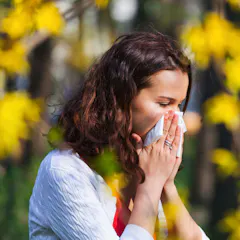
COVID symptoms have become milder over the course of the pandemic. While this is a good thing, it might make them more easily confused with allergy symptoms.

The advent of COVID vaccines has radically changed things for the better, but doesn’t mean we can fully return to our pre-pandemic lives.
Top contributors
-

Senior Research Fellow in Global Health, University of Southampton
-
Professor of Research Ethics, University of Portsmouth
-
Professor of Medicine, University of East Anglia
-
Professor of Public Health, University of Sheffield
-
Lecturer in Psychology, Swansea University
-
Professor in Immunology, University of Manchester
-
Professor of Mathematics and Statistics, University of Strathclyde
-
Professor of Mathematical Biology and Public Engagement, University of Bath
-
Associate Professor in Viral Immunology, University of Birmingham
-
Scientific Officer in Biomedical Sciences, University of Leeds
-
Principal Lecturer, Microbiology and Biomedical Science Practice, Fellow of the Institute of Biomedical Science, University of Brighton
-
Clinical Research Fellow in Viral Immunology and Veterinary Surgeon, University of Cambridge
-
Consultant Neonatologist and Professor of Ethics, University of Oxford
-
Assistant Professor of Health Promotion and Policy, UMass Amherst
-
Professor of Primary Care Health Sciences, University of Oxford