
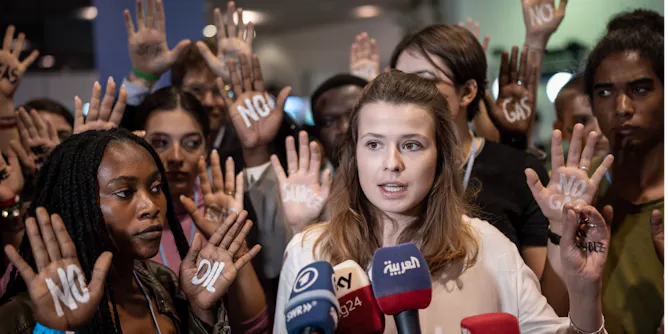
Activists aren’t necessarily more aggressive than in the past, but they are using creative and sometime shocking new tactics that quickly go viral.
Articles on COP27
Displaying 41 - 60 of 101 articles
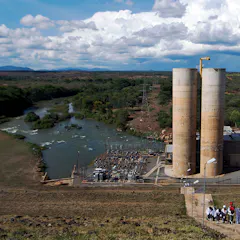
To address Africa’s heavy dependence on fossil fuels and hydropower, there is a need for investment in renewable energy sources like wind and solar.
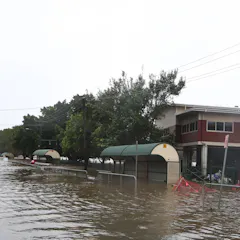
COP27 wraps up with Solutions Day, focusing on sustainable cities and transport, green buildings and resilient infrastructure. Climate-related disasters show the urgency of urban planning responses.

Razor wire, surveillance technologies and gated compounds – welcome to COP27.
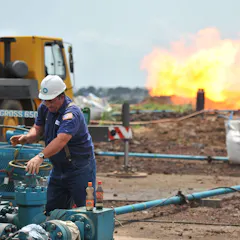
Developed nations threaten to consume more than their fair share of Earth’s dwindling carbon budget.
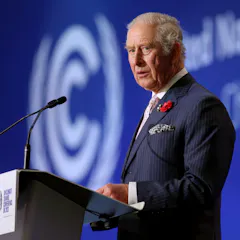
Despite not being at COP27, there are other ways for King Charles to showcase his commitment to the environment.

Cities, which account for 70% of emissions globally, should be at the frontline of tackling some of the most severe effects of climate change.
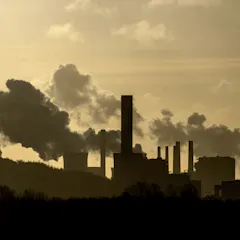
Saying that the climate problem is complex is false, and a distraction from what we know needs to be done.
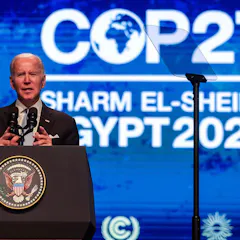
A look back at what the COPs have actually achieved.
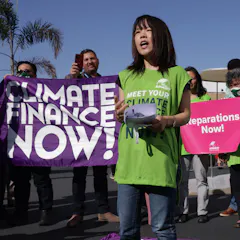
The biggest issues at COP27 involve financing for low-income countries hit hard by climate change. A former World Bank official describes some promising signs she’s starting to see.

Many people accept the Egyptian government’s restrictions on freedoms, for a variety of conflicting reasons.

Changing habitat ranges, competition for food and water, and biological effects of climate change all pose threats to wildlife.
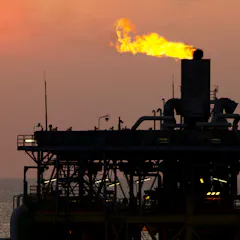
An update to the 2021 Global Methane Pledge could see tighter restrictions on oil and gas leaks.
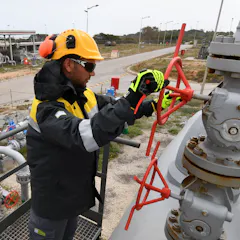
Natural gas projects in Africa might help reduce supply shortages temporarily, but they could soon become stranded assets.
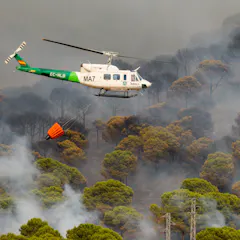
We don’t really know how much companies care about the environment.
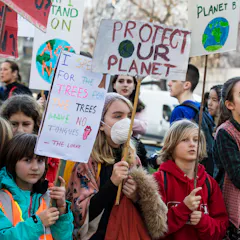
Given how much young people have achieved in the fight against climate crisis it’s crucial their voices are really heard at COP27.

The lack of a clear formula to distinguish between donors’ adaptation and mitigation funds is hurting Africa’s climate response.
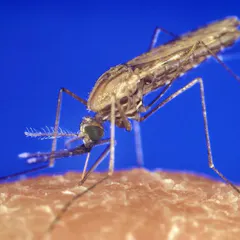
As the Earth warms up the malaria vector will develop faster, allowing them to breed faster, bite more frequently and expand into formerly unsuitable habitats.
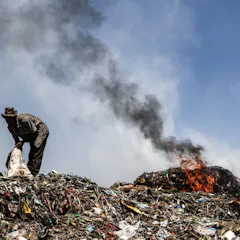
The decision by African ministers of environment to end open waste burning will not only save lives but also open up new income streams.
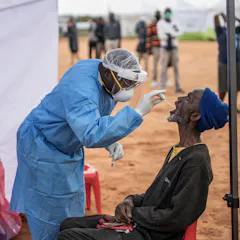
The human population has doubled in 48 years, and worsening climate change has left the world facing serious health risks, from infectious diseases to hunger and heat stress.
Top contributors
-

Research Associate, Institute for Climate Risk and Response, UNSW
-
Researcher in Climate and Inequality, University of the Witwatersrand
-
Professor of International Relations, The University of Queensland
-
Pro Vice-Chancellor, Climate, Sustainability and Inequality and Director, Southern Centre for Inequality Studies, University of the Witwatersrand
-
Professeur en droit, Section de droit civil, Université d’Ottawa (Canada), membre du Conseil scientifique de la Fondation France Libertés, L’Université d’Ottawa/University of Ottawa
-
Professorial Fellow, University of Canberra
-
Professor at Vancouver Island University & Postdoctoral fellow, Centre d’études en gouvernance et du Centre de droit de l’environnement et de la durabilité mondiale, L’Université d’Ottawa/University of Ottawa
-
Professeur au Département des sciences juridiques, Université du Québec à Montréal (UQAM)
-
Professor of Law, The University of Melbourne
-
Professor and Engineering X Lead on Waste, Royal Academy of Engineering, Stellenbosch University
-
Specialist, CGIAR
-
Postdoctoral Scholar in International Environment and Resource Policy, The Fletcher School, Tufts University
-
Medical scientist, National Institute for Communicable Diseases
-
Professor of Physical Climate Change; Director of the Priestley Centre for Climate Futures, University of Leeds
-
Professor of Practice in Climate Policy, University of Oxford