
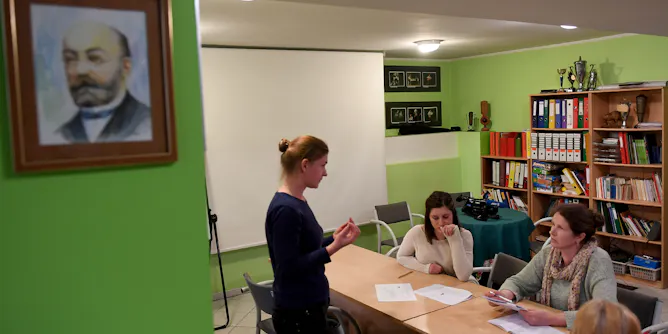
Created in Europe during a time of intercultural struggle and strife, Esperanto was meant as a communication tool to spread peace among the people of the world. Its speakers are still at it.
Articles on Conflict
Displaying 181 - 200 of 367 articles
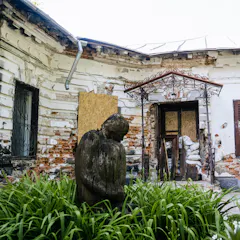
Cultural artifacts are at risk of destruction during war, but Ukrainian archivists, curators and librarians have been working to protect them during the war.

Global climate movements have espoused nonviolence, but some are adopting more radical tactics in light of the increasing threats posed by climate change.
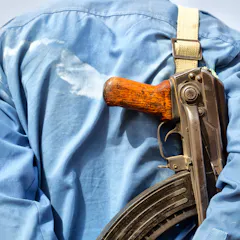
Our research shows that although climate change is a key factor in starting conflict in eastern Africa, it’s not always the most important one.
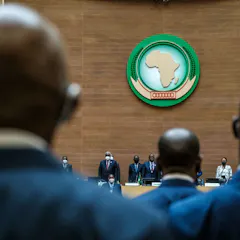
The Panel of the Wise shows promise but more needs to be done to turn it into a proactive pillar of Africa’s peace and security system.
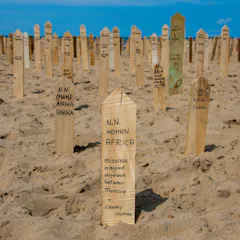
The world’s indifference to Black African refugees is its own form of trauma.

Finding ways to make talking about diversity less of a confrontation and more of a dialogue is crucial.
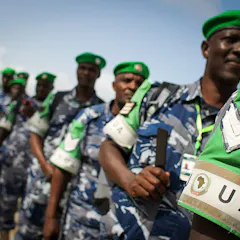
The African Union’s Continental Early Warning System was created to anticipate and prevent conflicts, but it’s gone.
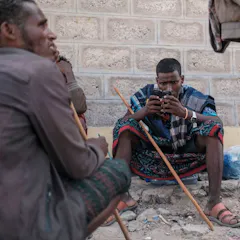
Our work highlights the potential of phone surveys to monitor active and large-scale conflicts.
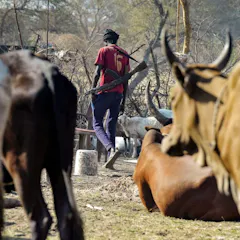
The idea of what it means to be South Sudanese is not universally accepted in the young nation.

To predict - and prevent - election-related violence, it’s important to first understand the key drivers of conflict.
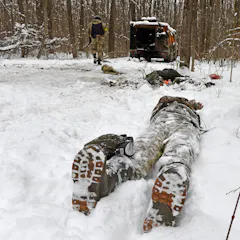
Estimates of casualties from the war in Ukraine have varied widely. Some of this is due to genuine difficulty counting the dead, but there are also strategic reasons to put out misleading death tolls.
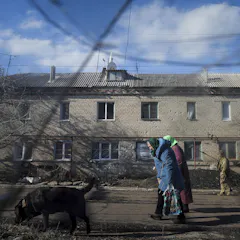
A new form of conflict resource is real estate — the farms, houses, apartment buildings, villages, towns and cities of any country. Real estate trafficking has a big impact on civilian populations.
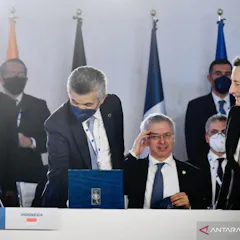
Past sanctions on Russia, including being expelled from another international forum, haven’t had the desired results. So why try the same thing again?
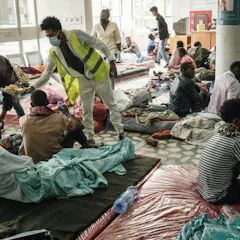
Unless special attention is given to conflict and HIV the war will undermine the achievement of the 2030 goals to end AIDS, discrimination, and new infections.
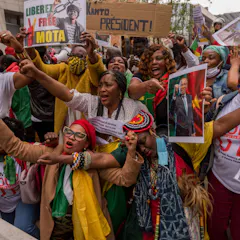
Anglophone grievances run deep and have remained unaddressed for a long time.
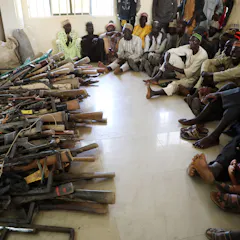
New illicit flows of arms and ammunition contribute to fueling conflict and instability in West Africa.
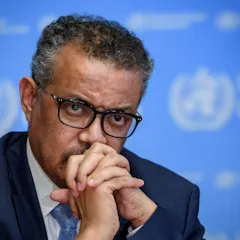
Humanitarians are stuck in a dilemma: challenging practices that cause suffering could risk access to the vulnerable people they serve.

Conflicts at recess, averaging one every three minutes, greatly disrupt children’s play activities. However, a well-designed school layout can reduce the problem.
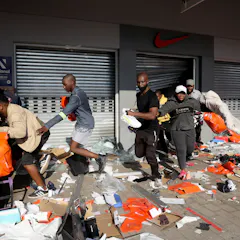
The evidence shows that political risk in South Africa has increased markedly in certain areas over the past two decades.
Top contributors
-

Associate Professor of Urban & Environmental Design, University of Khartoum
-
Professor of History and Political Science, University of Michigan
-
Researcher in Environmental Change, Vrije Universiteit Amsterdam
-
Associate Professor, Liverpool John Moores University
-
Lecturer and Senior Research Fellow at the South African Research Chair in International Law (SARCIL), University of Johannesburg
-
Professor Emeritus in Global Health & Humanitarian Affairs, University of Manchester
-
Associate Professor, Colgate University
-
Associate Professor of Security and International Relations, Royal Danish Defence College
-
Lecturer in Middle East Studies, Deakin University
-
Research Fellow, Institut Barcelona Estudis Internacionals
-
Professor of Operations Research, Brock University
-
Lecturer, Macquarie Law School, Macquarie University
-
Professor, Institute of African Studies, University of Leipzig
-
Researcher, IPIS
-
Assistant Professor of International Relations, American University