
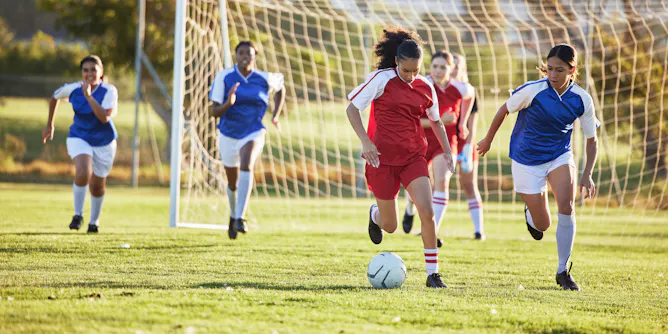
New guidelines from the Australian Institute of Sport recommend players in youth and community sport are sidelined for three weeks after a concussion. Here’s why.
Articles on Concussion
Displaying 41 - 60 of 104 articles

Concussion doesn’t just affect the brain, but the whole body. The interaction of the ‘heart-brain axis’ means that as the brain works to heal its injury, it puts extra stress on the heart.
Many concussions in soccer occur when two players compete to head the ball. But extra technique training, modifying how we play the game, and more ‘red cards’ help cut the risk.
Football is starting to take concussion seriously – but there’s more to do.

Chronic traumatic encephalopathy is a devastating form of dementia, which causes a decline in brain functioning and increased risk of mental illness.

The genetic evidence behind why some people suffer longer term concussion effects is growing. But what are the ethical considerations that flow from that knowledge when it comes to sport?
Long-term symptoms of concussion can include trouble concentrating and emotional distress.
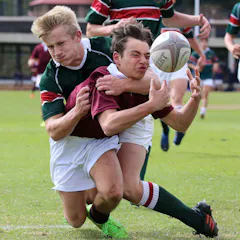
Young or old, men or women. All can be at risk of concussion while playing contact sport. Here’s what we know happens in the brain.
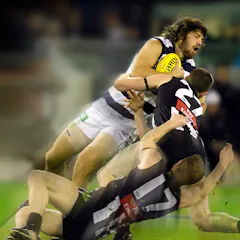
A sports law expert and ex-Victorian WorkCover Authority general counsel explains why Australia’s professional players aren’t covered by the same injury rules as other workers – unlike in New Zealand.
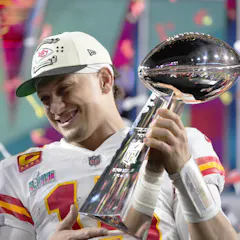
The Super Bowl is more than a game — it’s an ecosystem of parties, the halftime show, the ads and 100 million people watching despite the sport’s ugly and dangerous side.
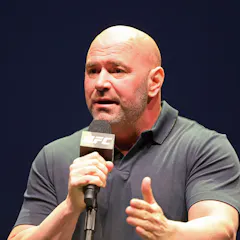
Power Slap, a brutal fight sport, sees contestants slap each other so hard they are at times knocked unconscious.
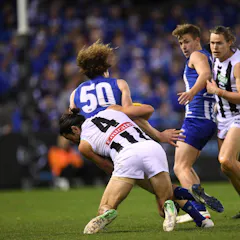
While much of the inquiry into concussions and repeated head trauma in sport will focus on professional players and leagues, local teams and young players should also look out for the findings.
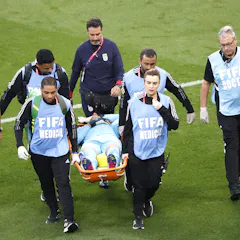
World Cup 2022: the risk of playing on with concussion and why the rules in football need to change.
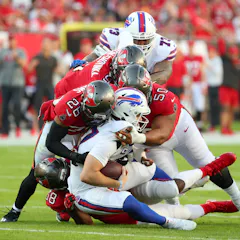
Listen to the second episode of our series Uncharted Brain: Decoding Dementia via The Anthill podcast.
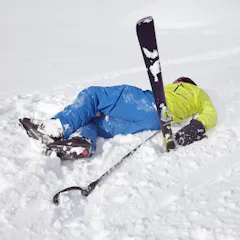
While high-profile concussions in the NFL have brought renewed attention to the gravity of head injuries, they can also occur on the playground or during junior varsity practices – with lasting effects.
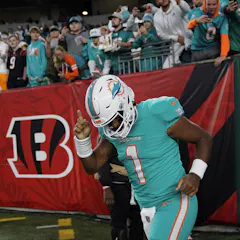
Miami Dolphins quarterback Tua Tagovailoa was carried off the field during a game on Sept. 29 after his second injury in only a few days, raising questions about NFL concussion protocols.

Canadian researchers are exploring unanswered questions about concussion: How to diagnose it accurately and quickly, how to predict outcomes and promote recovery, and how to prevent it altogether.

The AFL is searching for a new CEO amid ongoing reports of systemic racism, a lack of meaningful support for the AFLW and insufficient action on head injuries.

For many years, concussion treatment followed a rest-is-best approach. But research now suggests that low-to-moderate intensity exercise is a safe and useful approach to managing concussion symptoms.
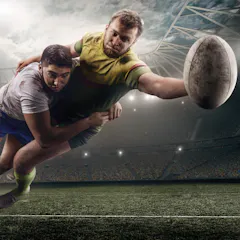
Brain injuries and the long-term health effects in professional sport have become significant issues in the past decade.
Top contributors
-

Professor, Adjunct Research Fellow, School of Health Science, Swinburne University of Technology
-
Assistant Professor, Faculty of Law, Bond University
-
Research Fellow, UQ School of Human Movement and Nutrition Sciences, The University of Queensland
-
The University of Queensland
-
Head Of Department in Department of Sport & Event Management, Bournemouth University
-
Senior Clinical Psychologist, The Cairnmillar Institute
-
Lecturer in Sport Management Australian College of Physical Education (ACPE) and Research Assistant, Western Sydney University
-
Professor of Masculinities, Sexualities and Sport, University of Winchester
-
Senior Lecturer, School of Business, Western Sydney University
-
Emeritus Professor, National Centre for Youth Substance Use Research, The University of Queensland
-
Course Coordinator & Lecturer, Physiotherapy, Australian Catholic University
-
Professor, Faculty of Kinesiology & Health Studies, University of Regina
-
Lecturer in Exercise Science, Adelaide University
-
Lecturer in Exercise Science and Physiology, Griffith University
-
Senior lecturer in Sport, Exercise and Nutrition Sciences, University of Lancashire