
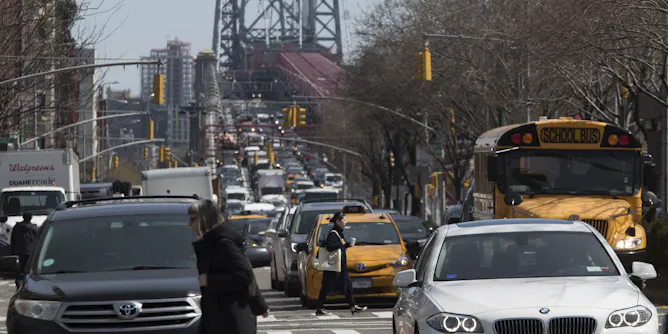
Starting in 2021, drivers will pay a fee to enter midtown and lower Manhattan during busy times of day. Will this clear New York’s air and streets?
Articles on Commuters
Displaying 21 - 32 of 32 articles
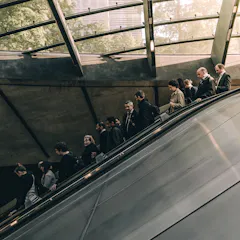
In many cities, convention holds that there’s a lane for walking and a lane for standing on the escalator. But human systems engineers suggest this isn’t the most efficient option for the system.
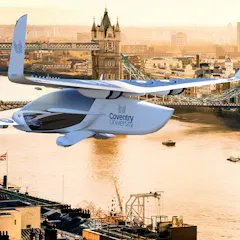
Huge progress has been made, but safety issues and environmental concerns mean plans are still up in the air.
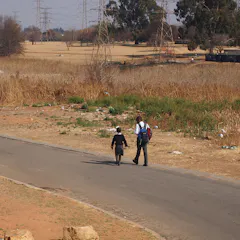
Over a third of pupils in the Gauteng province still travel more than five kilometres to school.

Cities are expanding upwards and downwards, as well as outwards. With urban density also increasing, moving people efficiently around the city, often using ageing infrastructure, is quite a challenge.
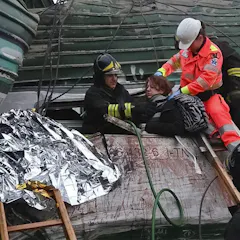
The development of suburban infrastructure depends on political, technical and financial priorities. A train derailment in an Italian suburb has highlighted the need to retrofit infrastructure.
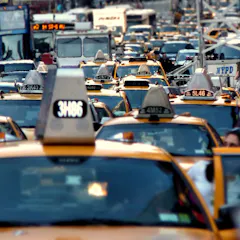
New York soon may charge a fee to drive into central Manhattan as a way of reducing traffic and raising funds for public transit. An urban scholar says this step is overdue in the United States.
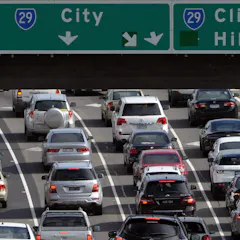
For Melbourne drivers who comfort themselves with the thought that traffic congestion is worse in Sydney, sorry but new analysis shows overall delays are similar, but some commutes are especially bad.

All it takes is data … lots of data.
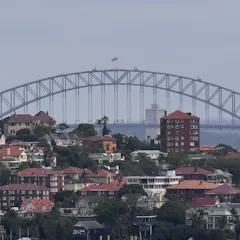
Data on housing supply in Australia’s capital shows that while it’s increasing in areas with lots of jobs, house prices are too high for those who might want to move for work.
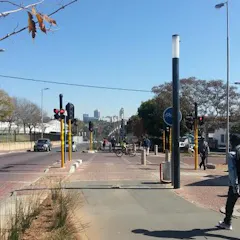
Bike lanes in South Africa were meant to encourage commuter cycling and ease congestion but in Johannesburg the initiative garnered more outrage than support.
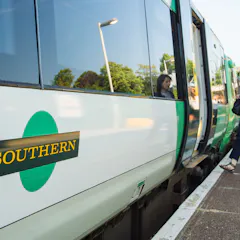
The government knows the system is a shambles – but refuses to admit that rail privatisation has failed.
Top contributors
-
 John Rennie Short is a Friend of The Conversation.
Professor Emeritus of Public Policy, University of Maryland, Baltimore County
-
Professor of Transport, University of Sydney
-
Senior Researcher, Gauteng City-Region Observatory
-
Senior Lecturer in Aerospace Engineering, Coventry University
-
Emeritus Professor of Housing and Housing Studies, RMIT University
-
Transport and Cities Program Director, Grattan Institute
-
Senior Lecturer in Accounting, University of Essex
-
Professor of Data Science, Bournemouth University
-
John Curtin Distinguished Professor, Curtin University
-
PhD Candidate in Urban Planning, Design and Policy | Urban welfare researcher, York University, Canada
-
Researcher of urban & cultural studies, Gauteng City-Region Observatory
-
John Curtin Distinguished Professor, Curtin Business School, Curtin University
-
Acting Manager Policy and Research Whitlam Institute, Western Sydney University
-
Research Fellow, School of Accounting, Economics and Finance, Curtin University
-
Postdoctoral fellow in the history, politics and sociology of transport with a special focus on urban bicycling, University of the Witwatersrand