
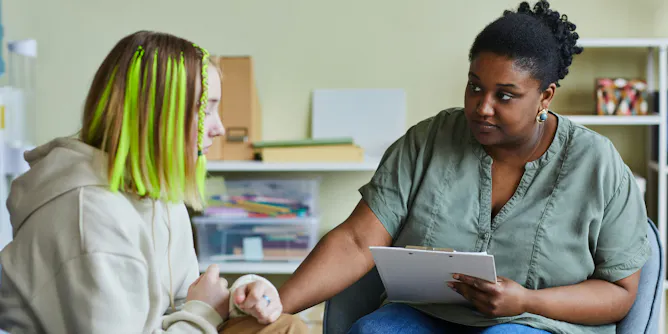
Women affected by poverty, racism, trauma, caregiving stress or unstable housing often lack primary health care. They wind up in walk-in clinics or emergency with late-stage serious illnesses.
Articles on Community health workers
Displaying 1 - 20 of 24 articles
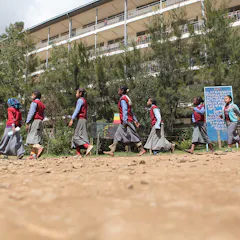
Health extension workers in Ethiopia have had a measurable impact on interconnected challenges such as child marriage, teenage pregnancy, and school dropout.
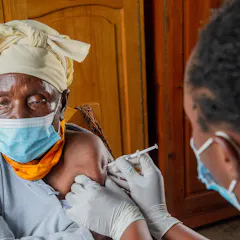
Rwanda has built a healthcare delivery system on primary healthcare with individuals and communities at the centre.
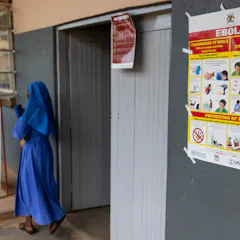
As with Ebola, it is often only when the harm is done that people working on the response realise health emergencies disproportionately harm women.
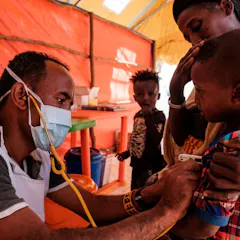
Since the war broke out, some healthcare workers have lost their jobs, others have been displaced, wounded, threatened or killed.
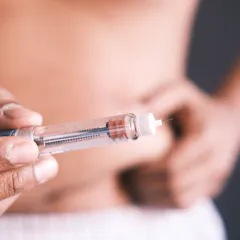
As diabetes progresses, insulin injections become the only treatment option. But the transition from oral medication to injectable insulin is often a bumpy one.
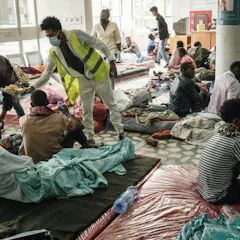
Unless special attention is given to conflict and HIV the war will undermine the achievement of the 2030 goals to end AIDS, discrimination, and new infections.

There is growing evidence that when poor-quality oxytocin is used, it fails to prevent post-partum haemorrhage.
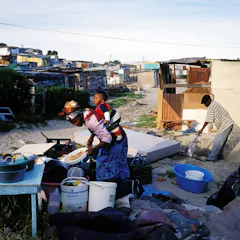
Pregnant women and mothers of infants are at a higher risk of experiencing depression because of increased pressures they face economically, in their relationships, with their families, and socially.
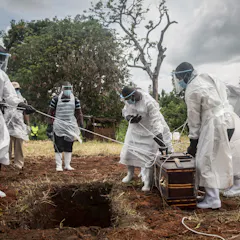
Uganda needs to activate the community engagement pillar and resource the new strategy that’s in place.
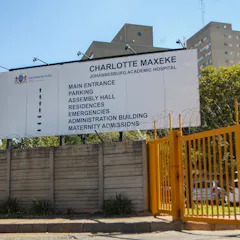
Patients shouldn’t be treated better simply because they can afford to pay more.
Relying on donor funding means that the funder ultimately determines the health priorities. This is one reason why many programmes in Africa focus on a single disease such as HIV.
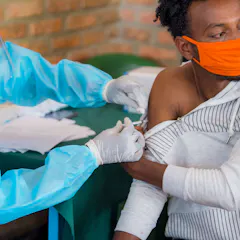
Due to early logistical planning, Rwanda had the capacity to store 5 million doses before the vaccines arrived.
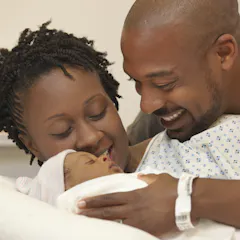
Men can practically help their partners access care by assisting with the costs of attending clinical appointments such as transportation, health insurance, and meals while on route to the clinic.
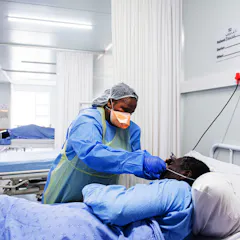
Where there are not enough health workers to deliver medical care, one solution is to move certain tasks to less specialised health workers, a process called task-shifting.

Health surveillance assistants provide services in village clinics, mainly by assessing signs and symptoms in sick children. An electronic community case management app could make their job easier.
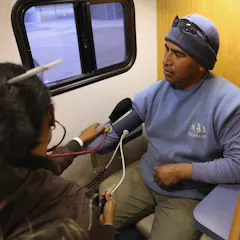
In the wake of COVID-19, researchers can become trusted figures of authority who can re-appropriate their networks, skills and knowledge to better the lives of vulnerable populations.
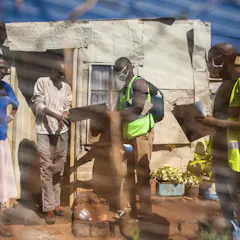
South Africa’s disaster management plan targets the most vulnerable. But it needs to respond in a more deliberate way when it comes to people with disabilities.
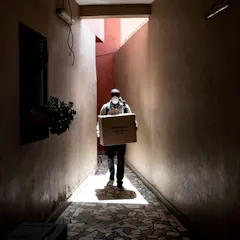
To contain COVID-19, African countries cannot rely just on doctors and nurses, who are already in short supply and at high risk of infection in the workplace.
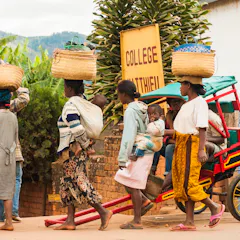
Providing affordable pregnancy tests to women in low-resource countries is a critical, yet under-appreciated, way to improve their health.
Top contributors
-

Postdoctoral Research Fellow, Deakin University
-
NHMRC Research Fellow (Public Health), Flinders University
-
Research Fellow of International Development, Deakin University
-
Deputy Director and Researcher at the Centre for Health Policy, School of Public Health, University of the Witwatersrand
-
University of Global Health Equity
-
Lecturer / Senior Researcher , University College Cork
-
Communications Specialist, University of California, San Francisco
-
Associate professor, University of Pretoria
-
Extraordinary Professor, Global Health, Stellenbosch University; South African Medical Research Council
-
Extraordinary Professor in the Department of Medical Microbiology, University of Pretoria
-
Honorary Research Associate, Centre for Infectious Disease Epidemiology and Research, University of Cape Town
-
Consultant Public Health Physician, University of Lagos
-
Lecturer, Mzuzu University
-
Epidemiologist, University of the Witwatersrand
-
Global Health Coordinator; Clinical Assistant Professor., Memorial University of Newfoundland