
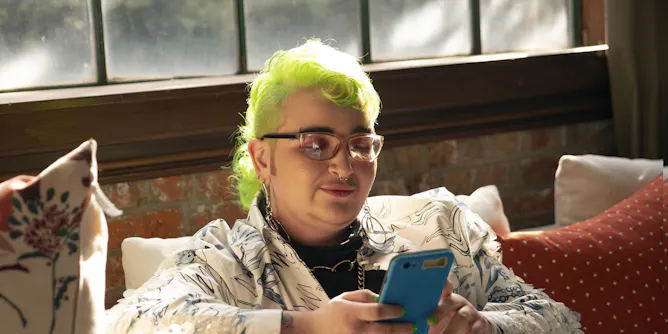
Pandemic experiences for queer people were marked not only by loneliness but new possibilities and connections that will shape their lives when the world reopens.
Articles on Community
Displaying 121 - 140 of 212 articles
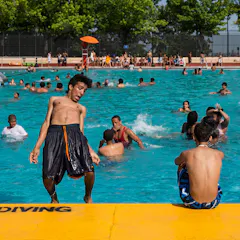
Local institutions and community bonds forged during the turmoil of the 1970s and 1980s helped a vulnerable neighborhood walloped by the pandemic endure.
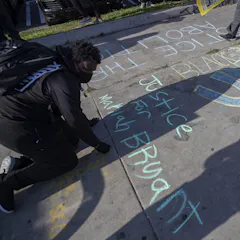
A sociologist asked public high school teachers to draw maps of the neighborhood where they teach. Those with more detailed maps also made stronger cultural connections with their students.

For trans youth who couldn’t be themselves in real life, the internet became a place for connection and self-expression.

The rituals of ancient Greece – especially public performances of tragic plays – have remarkable resonance with the current moment.

Teens have acutely felt the effects of the pandemic lockdowns on their social lives. As the end of stay-at-home orders draws nearer, it’s important to consider teenagers’ social and emotional needs.
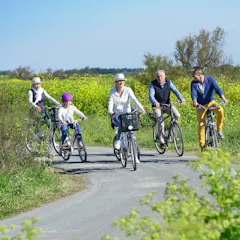
Death-friendly communities that welcome mortality might help us live better lives and provide better care for people at the end of their lives.

A decadent New Year’s Eve bash held in the throes of the pandemic is a symptom of a larger problem in the gay community.
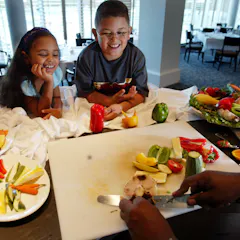
Lifestyle medicine targets the root of chronic diseases like obesity, heart disease and diabetes. Experts explain why everyone should embrace these free prescriptions for good health.

Third places – where people meet outside of work and home – foster a sense of belonging, particularly for retirees. COVID-19 restrictions shut them down, so can online communities fill the void?
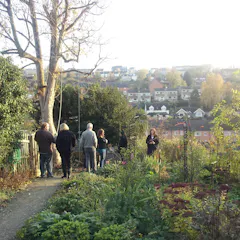
Communal living: enabling people to strive for a better, more sustainable lifestyle.
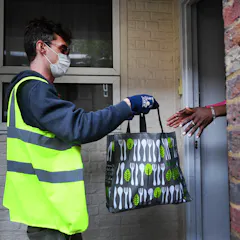
Donations to food banks surged as the pandemic raged. But they’re on the decline again just as people need more help.
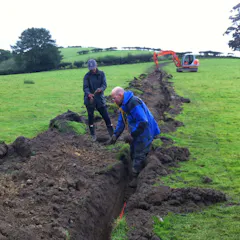
Frustrated by the inability to get good internet, a rural village decided to dig a superfast connection in themselves.

The number of visitors to the restored wetlands is increasing each year, as is the wildlife.

It’s the simple, everyday encounters and experiences – a friendly wave, a helping hand – that refugees say makes them feel part of the Australian community.

A friendly wave from a neighbour is one of life’s incidental but invaluable interactions. Porches, balconies, front yards and footpaths have proven their importance as cogs of neighbourhood life.
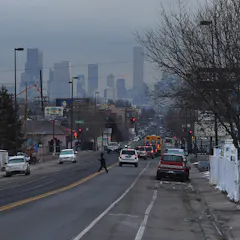
Neighborhood characteristics like pollution from busy roads, widespread public transit use and lack of community-based health care are putting certain communities at greater risk from COVID-19.
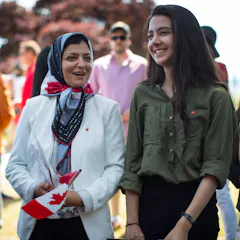
Immigrants and other newcomers to Canada are worried about maintaining their relationships and staying afloat, and need government consideration and support.
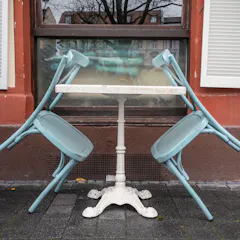
We sorely miss our regular haunts during the coronavirus lockdown not only because we like them but also because a healthy society needs places where people can gather, mix and mingle.
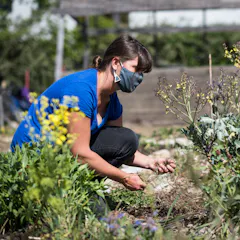
What drives people to garden isn’t the fear of hunger so much as hunger for physical contact – and a longing to engage in work that is real.
Top contributors
-

Lecturer in Management, Te Herenga Waka — Victoria University of Wellington
-
Senior Lecturer, Cardiff Metropolitan University
-
Senior Lecturer in Urban and Environmental Planning, Griffith University
-
Professor of Marketing and Consumer Behaviour, Queensland University of Technology
-
PhD Candidate and Sessional Tutor, The University of Melbourne
-
Assistant Professor in Health Sciences, Simon Fraser University
-
Associate Professor, Human Geography and Urban Studies School of Social Sciences/ Institute for Culture and Society, Western Sydney University
-
Professor and Clinical Psychologist, Australian National University
-
Senior Lecturer in Management, Te Herenga Waka — Victoria University of Wellington
-
Senior Lecturer (Organisational Behaviour), Te Herenga Waka — Victoria University of Wellington
-
Professor of Physiology and Neurobiology, Dean of Faculty Affairs, Geisel School of Medicine, Dartmouth College
-
Professor of Strategy and Innovation, Te Herenga Waka — Victoria University of Wellington
-
Professor in Modern History and UKRI Future Leaders Fellow, King's College London
-
Professor of Sustainability and Strategy, University of Victoria
-
Lecturer in History, University of Michigan-Dearborn