
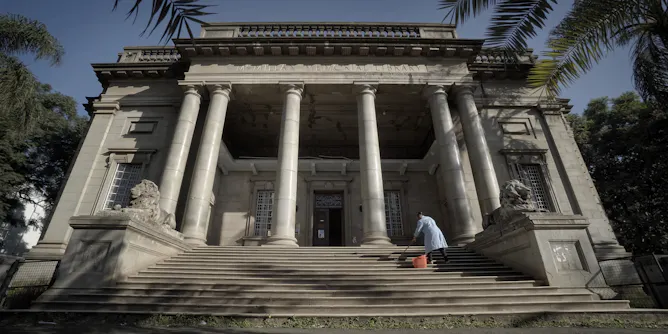
The film suggests that building a library is not merely about a building or books; it is about dialogue and citizenship.
Articles on Colonial legacy
Displaying 1 - 20 of 31 articles
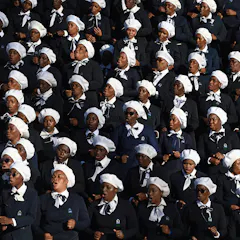
Christianity is evolving. Mainstream churches like the Methodists and the Catholics are losing ground to indigenous and pentecostal groups.
Lowering Indigenous incarceration rates is a key aim of the Closing The Gap targets, but there are more First Nations people behind bars than ever. How did this happen and what can fix it?
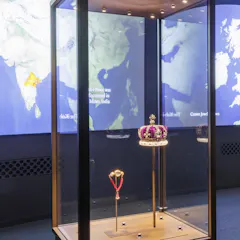
This display marks the first time the Tower of London has explained the origins of the Koh-i-noor diamond, which is now presented as a ‘symbol of conquest’.
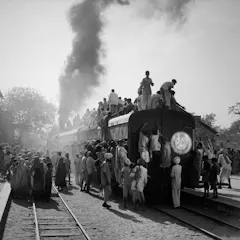
A deadly crash in India that claimed the lives of around 300 people has refocused international attention on the importance of railways in the country.
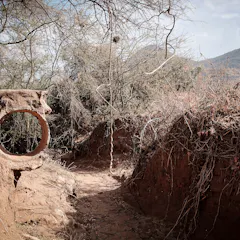
Infrastructure projects are an enticing promise for a better future – but they can also evoke a violent colonial past.
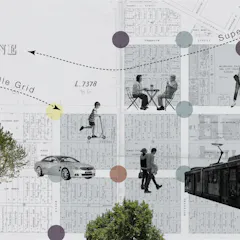
The Hoddle Grid that dictates the flow of vehicles and people in central Melbourne has had its day. It can be remade to reduce the dominance of cars and create a liveable city for the 21st century.

While marketing has made diamond rings a symbol of heteronormative happy endings, women from the Northwest Territories tell a different story about their experiences with the diamond mines.
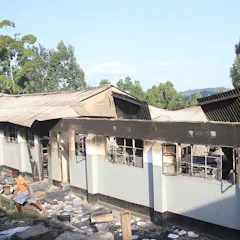
Student violence is a response to the devaluing and oppressive environment in boarding schools.
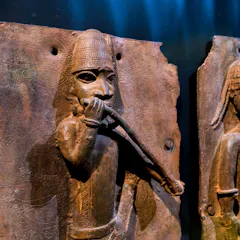
While some German museums are returning some of the famous Benin Bronzes, most remain in museums in the UK and the US even as calls for restitution grow.
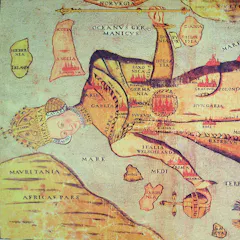
Plans are being adopted and resolutions made, but moving forward means facing difficult truths about the past.
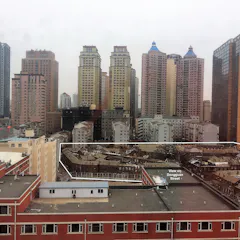
The West, Russia and Japan all left their marks on China today. Urbanisation too is usurping the old China. This long, mixed heritage and what should be done with it remains contested.
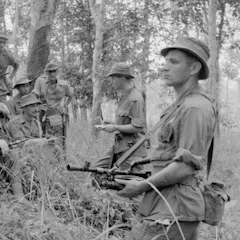
British troops allegedly killed 24 unarmed villagers in Batang Kali in 1948, but the government still refuses a public inquiry.
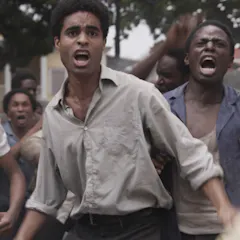
Great Britain was not the only country behaving badly with its Caribbean population: France also experienced similar waves of post-war migration.
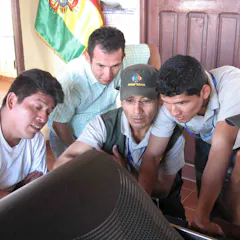
Science can’t just stay in the ivory tower. But what does impact really mean and how does it happen? A study of more than a decade of ecological fieldwork projects in Bolivia suggests a better way.

A long read on how science’s dark imperial past still shapes research today – and what to do about it.

Stop and search contributes to marginalisation and has a corrosive impact on society.
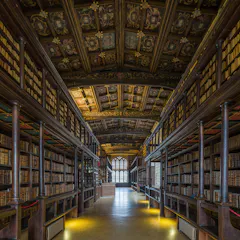
Some say Britain should be proud of its imperial past. Oxford academics say it’s not so simple.
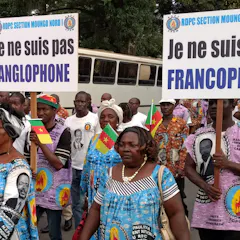
Anglophones have long complained that their language and culture are marginalised. They say if this doesn’t change, they must be granted independence.
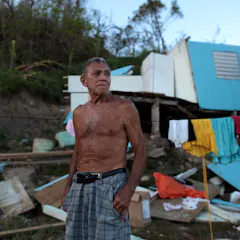
Puerto Rico has focused significant efforts on branding – but at what cost?
Top contributors
-

Professor of Indian and Colonial History, University of Liverpool; Independent Social Research Foundation
-
Vice Chancellor's Research Fellow, Northumbria University, Newcastle
-
Associate Dean Indigenous and Professor of Publishing and Communications, The University of Melbourne
-
Professor, University of South Africa
-
PhD Candidate, Faculty of Architecture, Building and Planning, The University of Melbourne
-
Professor of Linguistics, The University of Queensland
-
Lecturer in Politics and International Studies, The Open University
-
Lecturer in French Studies, University of Westminster
-
Junior Research Fellow, History of the modern Middle East and North Africa, University of Oxford
-
Professor of History, Université de Yaounde 1
-
Senior Lecturer, Westminster Law School, University of Westminster
-
Director, Centre for Cultural Materials Conservation, The University of Melbourne
-
Early-career researcher (Francophone studies) & English tutor, Université de Montpellier
-
Professor of Modern and Contemporary History, Emeritus, Princeton University
-
Associate Professor of Modern History, University of Oxford