
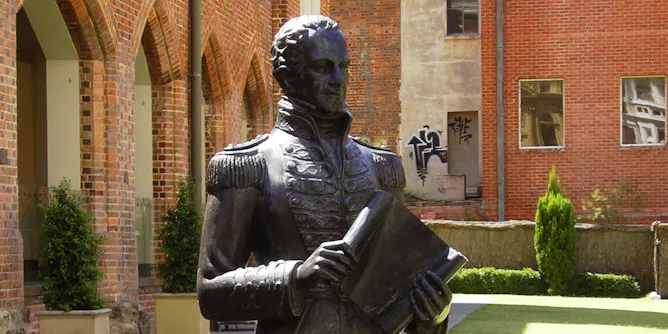
Perth’s City of Stirling, which honours James Stirling, is considering a name change. New research shows how Stirling’s family’s wealth was built on the back of slavery business.
Articles on Colonial history
Displaying 21 - 38 of 38 articles

Many societies in Africa still draw heavily on their traditional beliefs and cultural heritage. Therefore it’s important to take these into consideration when psychology is taught and practised.
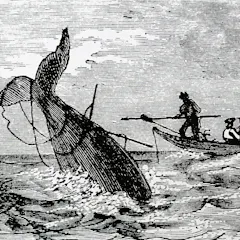
The whaling story behind ‘Soon May the Wellerman Come’ reminds us of the crucial connections between Māori and Europeans that shaped early 19th century settlement.

Scientists still report species as being ‘discovered’, even if they’ve been used by local populations for years.
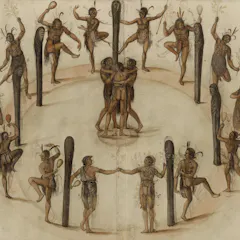
Modern dating techniques are providing new time frames for indigenous settlements in Northeast North America, free from the Eurocentric bias that previously led to incorrect assumptions.

A new book gives a full account of Tasmanian Indigenous woman Truganini’s life. In this extract, she is taken to Melbourne and caught up in the murders behind Victoria’s first public execution.
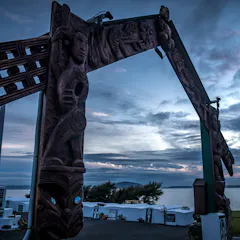
Teaching history is as much about facts and people as it is about contested narratives and disputed interpretations, which is why it’s time to make New Zealand history a compulsory subject at school.
CC BY-ND34.2 MB (download)
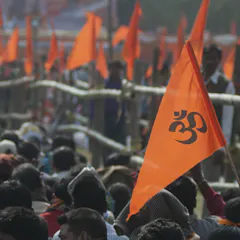
The second part of this series from The Anthill podcast looks at the trajectories of Hindu nationalism in India.
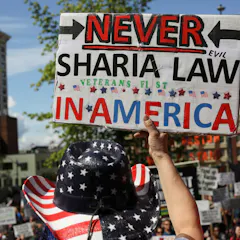
There is no inherent tension between Islam and democratic values. Like any use of religion in politics, the application of Sharia as law depends on who is using it – and why.
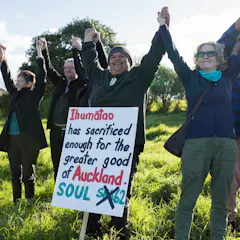
New Zealand is the last major landmass to be settled. One of the sites of earliest occupation is under threat from development, despite its cultural significance for Māori.
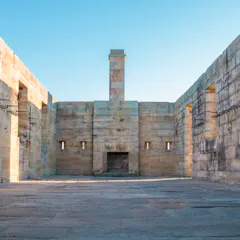
The 1991 Royal Commission into deaths in custody was preceded by an 1850 inquiry, which recommended that Aboriginal people be released should their health deteriorate in gaol.
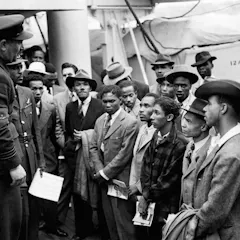
When the Empire Windrush arrived in Tilbury Docks 70 years ago, it was on a return journey – having taken West Indian war veterans back to the Caribbean.

A long read on how science’s dark imperial past still shapes research today – and what to do about it.
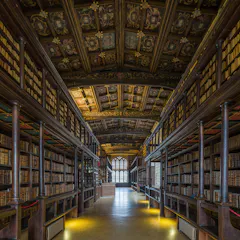
Some say Britain should be proud of its imperial past. Oxford academics say it’s not so simple.
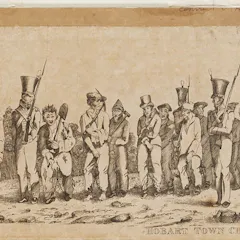
Governor Arthur Phillip regarded sodomy as one of the worst offences that convicts under his charge could commit. But sex between men and between women flourished in convict Australia.
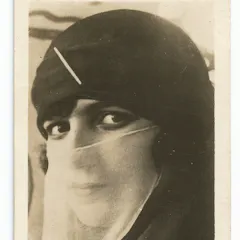
Collectable cigarette cards once depicted ‘exotic’ beauties, classified by the colonial eye. And today’s beauty contests still present women as exotic representatives of their nation.
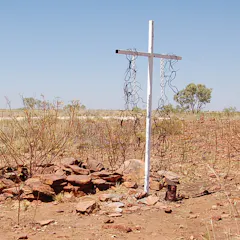
The local Aboriginal people told stories and painted images of a massacre of their ancestors in the early 20th century, but there was no other evidence that the incident took place. Until now.

Histories of the North Atlantic have had a preponderant influence on scholarship about race. But, for scholars in the humanities and social sciences who study southern Africa, this is changing.
Top contributors
-

Associate Professor of Modern History, University of Oxford
-
Senior Research Fellow, adjunct, Flinders University
-
Associate professor of Sociology, University of the Witwatersrand
-
Honorary Fellow, School of Historical and Philosophical Studies, The University of Melbourne
-
Professor of Modern and Contemporary Literature, Newcastle University
-
Junior Research Fellow, History of the modern Middle East and North Africa, University of Oxford
-
Associate Professor Visual Communication, University of Technology Sydney
-
Professor in History, University of Tasmania
-
Research Scientist in Archaeology, South Australian Museum
-
Director of the Cornell Tree Ring Laboratory and Professor of Classical Archaeology, Cornell University
-
Postdoctoral Research Associate in History, The University of Melbourne
-
Clinical Assistant Professor of Veterinary Clinical Sciences, Oklahoma State University
-
Postdoctoral Researcher in Anthropobiology and Genomics, Université de Toulouse
-
Professor of Politics, Te Kunenga ki Pūrehuroa – Massey University
-
Vice Chancellor's Research Fellow, Northumbria University, Newcastle