

The American Cancer Society updated its colorectal cancer screening guidelines to reflect advances in technology and increase access to screening.
Articles on Colon cancer
Displaying 1 - 20 of 24 articles
Scientists found an unexpected viral hitchhiker lurking inside a common gut bacterium – and it was twice as prevalent in people with colorectal cancer.

Colon cancer symptoms can be subtle. While lifestyle changes can help reduce your risk, open communication with your family and doctor is essential.

Most exercise lowers cancer risk, but a study raises questions about heavy endurance training and precancerous colon lesions.

A raft of new studies on cancer and exercise show clear benefits. But a question hangs over the benefits of endurance runners.

While low levels of vitamin D are linked with increased risk of CRC, there are no definitive answers. Here’s what we know—and why lifestyle still matters most.

The government linked alcohol with seven types of cancers, prompting the US surgeon general to call for warning labels on beer, wine and liquor.
Colon cancer is curable when caught early, but some insurers are either refusing to cover or significantly delaying approval for colonoscopies.
Taking care of your smile could prevent disease elsewhere in the body.

This bacterium has been linked to conditions such as IBS and colon cancer.

Fibre isn’t just associated with colon health; it’s associated with overall health and brain health through the gut-brain axis. But not all fibres are created equal.
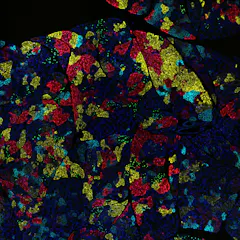
There is no one-size-fits-all approach to treating cancer. Understanding how cancer cells evolve could help researchers develop more effective drugs.

Middle age means staying a step ahead on both the medical and financial fronts.

Don’t be confused by recent media reports – colonoscopies are still the best way to detect and prevent colon cancer.

Overcoming the access barriers and biases that underrepresented and underserved communities face could not only improve research participation but also improve care.
Screening for colorectal cancer should begin at 45, not 50. A colorectal cancer expert explains how that could save lives, and why the age was lowered.

A really important symptom to look out for is new rectal bleeding when you pass a bowel movement. But anyone can buy a home testing kit if they’re concerned.

Colorectal cancer rates among older adults have been declining, but diagnoses in adults younger than 50 have increased. As Colorectal Cancer Awareness Month winds down, a researcher offers insight.

It’s clear that socioeconomic position has a strong influence on cancer incidence and mortality in Australia.
Triclosan is found in thousands of personal care products from toothpaste to soap. New research links it to inflammation and cancer in the gut in mice, by disrupting their microbiome.
Top contributors
-

Distinguished Professor Emeritus of Biological Sciences, University of South Carolina
-
Professor of Biomedical Sciences, Anglia Ruskin University
-
Professor at University of Melbourne and Research Fellow, Cancer Council Victoria
-
Director of the Colorado Cancer Screening Program, University of Colorado Anschutz
-
Principal Fellow, Cancer Council Victoria
-
Adjunct Professsor, School of Psychology, Faculty of Health and Medical Sciences, Adelaide University
-
Associate Professor, Deakin University
-
Professor of Public Health, Texas A&M University
-
Associate Professor of Pathology, Penn State
-
Associate Professor of Pathology, Penn State
-
Medical Sciences PhD Candidate, McMaster University
-
Postdoctoral researcher, Department of Food Science, UMass Amherst
-
Deputy Chief Scientific Officer and Group Leader, Glycobiology of Host-Microbe Interactions in the Gut, Quadram Institute
-
Associate Professor, Dental Science, Trinity College Dublin
-
Associate Professor, Gastroenterologist & Clinical Epidemiologist, Monash University