
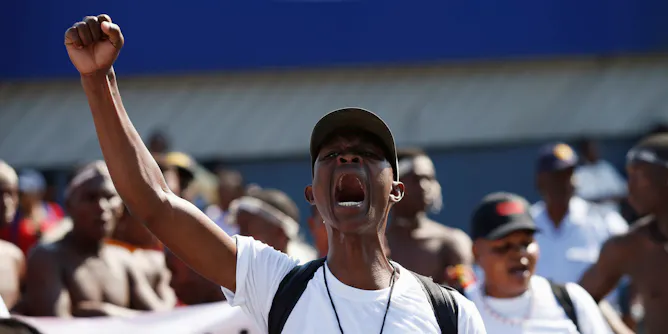
Popular protest is on the rise globally, particularly in places with deeply entrenched inequalities.
Articles on Colombian peace process
Displaying 21 - 36 of 36 articles
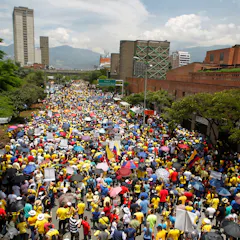
It is vital for people to demand transparency, but when popular outrage is manipulated for political purposes, democracy suffers.
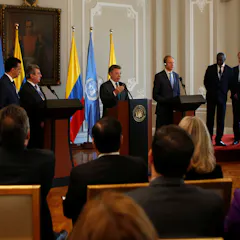
Colombia’s FARC guerrillas have officially laid down their weapons. How will these former fighters fare in the group’s transition from Marxist rebellion to political party?
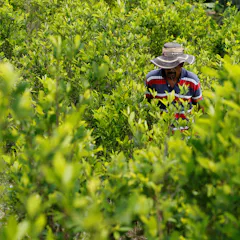
Colombia’s plan to turn coca-leaf farmers into coffee growers has a fatal flaw: the market.
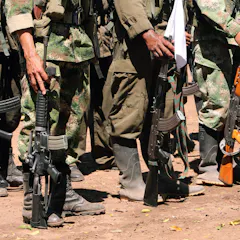
The world will be watching the country’s courts.
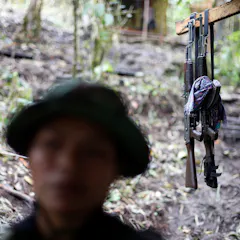
Delays in setting up disarmament camps for former guerillas have cast doubt on the Colombian government’s commitment to peace. But the real problem is its national history.
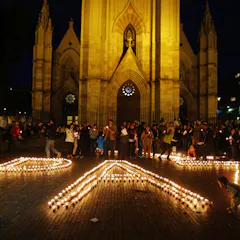
What can Colombia can learn from other nations’ transitions, both successful and unsuccessful, from war to peace?
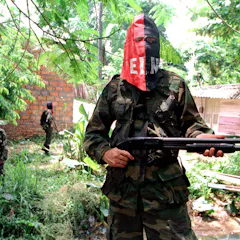
Two months after signing peace accords with the FARC guerrillas, Colombia is set to start negotiations with the country’s second-largest rebel group, the National Liberation Army.
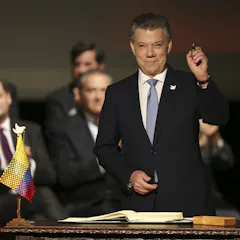
An academic who has worked with the Colombian government says the path to peace was opened by improving quality of life for vulnerable populations.
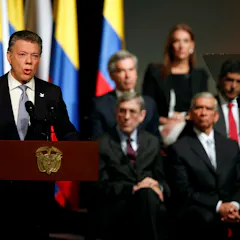
The South American nation is poised to end its 52-year civil war after a halting peace process that has used the weapons of both war and democracy.
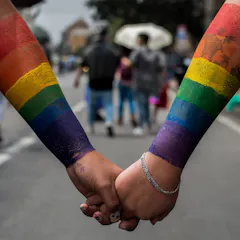
Conflict resolution across the world frequently leaves LGBT citizens behind.
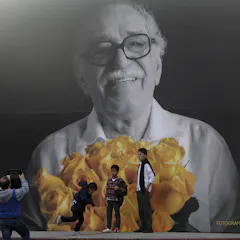
From the yellow butterflies of his ‘Hundred Years of Solitude’ to his Nobel acceptance speech, author Gabriel García Márquez remains ever present in his country’s peace process.
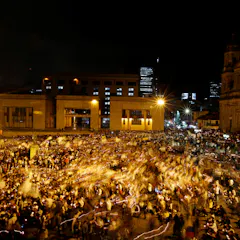
Of many ways to make fundamental decisions in a constitutional democracy, Colombia and Great Britain chose the riskiest of all options: the plebiscite.
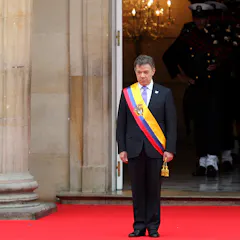
The voters may have said no to the deal struck with the FARC, but Juan Manuel Santos and his fellow negotiators intend to keep going.
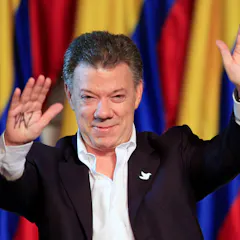
Why would anyone award a prize to a rejected peace deal?
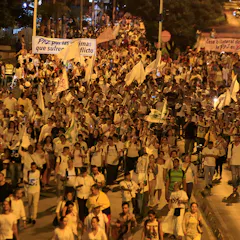
Nobel Prize aside, Colombia continues to choose war over peace and uncertainty over resolution. Is it something ingrained in the national psyche, or the product of a tangled-up political process?
Top contributors
-

Honorary Research Associate, Department of Political and International Studies, Rhodes University
-
Associate professor, Universidad Externado de Colombia
-
Professor of Constitutional Law & Human Rights, Universidad de Palermo
-
Visiting Scholar, Weatherhead Center for International Affairs, Harvard University; Director of Studies at the Changing Character of War Centre, and Senior Research Fellow, Dept. of Politics and International Relations, University of Oxford
-
Professor and Director, International Centre for Higher Education Management, School of Management, University of Bath
-
Research Professor, University of Michigan
-
Teaching Fellow in Law, University of Birmingham
-
Professor of Latin American Literature, Universidad Nacional de Colombia
-
Research fellow at the International Development Department, University of Birmingham
-
Professor of Global Politics and Anti-Slavery, University of Nottingham
-
Postdoctoral Research Fellow, Freie Universität Berlin, Global Security Programme, University of Oxford, University of Oxford
-
Teaching Fellow in Defence, Development and Diplomacy, Durham University
-
Co-Director, Institute for Genocide and Mass Atrocity Prevention, and Professor of Public Administration, Binghamton University, State University of New York
-
Doctoral Researcher, Centre on Conflict, Development and Peacebuilding, Graduate Institute – Institut de hautes études internationales et du développement (IHEID)
-
Professor of Post Conflict Studies, Queen's University Belfast