

Frank Capra’s dark vision of corruption and greed highlights both the dangers of concentrated power and the quiet effectiveness of collective action.
Articles on Collective action
Displaying all articles
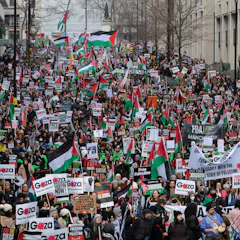
What makes a successful protest, and why you might want to take part in social movements.

We had no government funding, no governing structure and no workshop. Yet we produced a huge range of political posters, many of which are now in national collections and have been exhibited often.
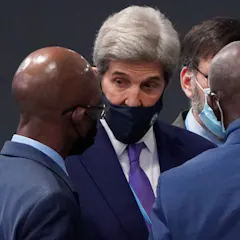
Negotiating global progress on climate change involves walking a fine line, as a former UN official explains.

The rise in union support can be explained by the growing recognition people are having of their own disadvantages, and the anger they feel about it.

Collaboration is often promoted as a tool for harnessing collective intelligence. But sometimes working solo is the best option.

The inequitable distribution of the benefits and harms of the food system is a violation of the constitutional right to food.
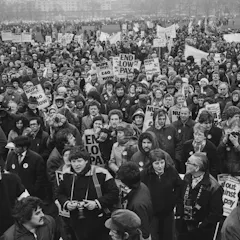
From the late 1960s to the early 1980s, more unionised workforces from Europe to Aotearoa New Zealand fought hard to keep wages abreast with inflation. But it’s unlikely that could happen now.
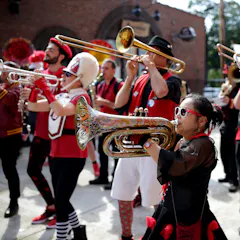
Organizers across the US are finding innovative grassroots strategies for helping people thrive. Many of these ventures emphasize working together as part of communities and collective systems.

Russian citizens in the west are being targeted in much the same way Germans, Italians, and Japanese were during the second world war.
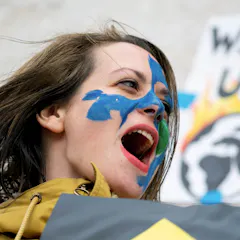
How well people exercise their agency will determine the severity of global warming – and its consequences.
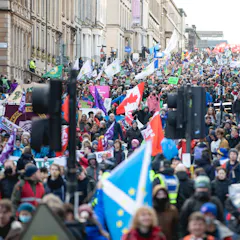
Joining a protest doesn’t just help attract others to supporting important causes - it comes with personal and psychological benefits too.

As scientists frantically try to find drugs to slow COVID-19’s spread, citizen science offers an opportunity for all of us to get involved.

We need to tackle individualism to tackle climate change.
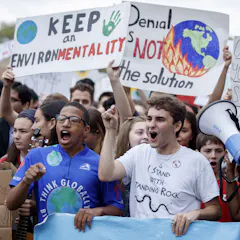
Mass strikes help target the psychological factors most important for acting on climate change, by emphasizing social norms and reinforcing the effectiveness of collective action.

From eating less meat to foregoing flying, individual obligations make up our understanding of how to fight climate change, letting polluters off the hook and stifling real change.

The kind of climate action outlined by the ubiquitous climate checklists won’t be enough.

New data on soaring child obesity should not come as a surprise. The food industry spends billions marketing unhealthy foods in a global society where over-eating is seen as a character flaw.
Top contributors
-

Lecturer, Tilburg University
-
Principal Lecturer in Psychology, University of Brighton
-
Professor of Ecology and Evolution, University of Sydney
-
Associate professor, University of Sydney
-
Professor of Cognitive Psychology and Director of the Institute for Climate Risk and Response, UNSW
-
Professor of Literary and Film Studies, University of North Texas
-
Associate Professor in Visual Arts, Federation University Australia
-
researcher, University of Cape Town
-
Visiting Fellow in International Climate Governance, Columbia University
-
Associate Professor, University of Sydney
-
Professor of Applied Ecology, University of Reading
-
Lecturer in Human Geography, University of Sydney
-
Associate Professor of Sociology; Co-Founder, Center for Environmental Justice at CSU, Colorado State University
-
Senior Research Associate, Social Psychology, Lancaster University
-
Professor of Health Promotion, Dalhousie University