
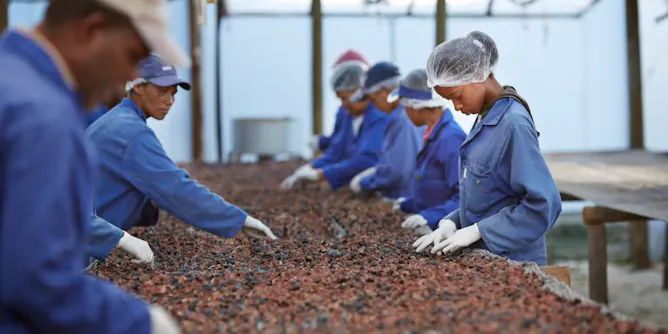
Chinese lenders have invested billions in African agriculture. But new research shows the money often misses what’s needed to modernise the sector.
Articles on Cold chain
Displaying all articles
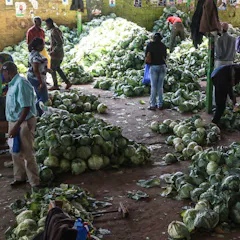
Many developing nations have little cold storage and lose much of their perishable food before it gets to markets. Climate-friendly refrigeration can provide huge environmental and social benefits.

Millions of dollars worth of vaccines are thrown out each year because they are not transported or stored at the right temperature. We made a video to help prevent that.
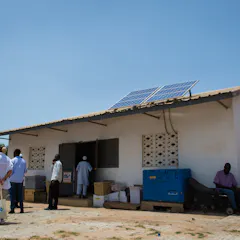
Solar-powered cold chain technologies can be game-changers in the fight against COVID-19 in resource-limited settings in sub-Saharan Africa and beyond.
So far, most vaccines in the US are mRNA vaccines. These represent a new technology and are likely to take over the vaccine world. But how do they work? What are their weaknesses? Five experts explain.
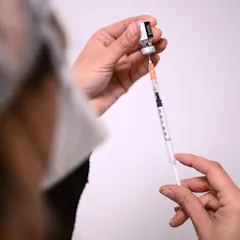
Australia’s expedited plan to start dishing out COVID jabs in mid-late February will call for NASA-like logistical organisation. And ideally, no more clusters of infections to distract frontline workers.
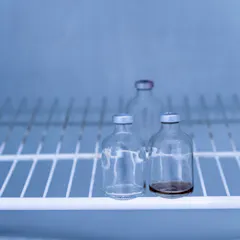
So far, the only COVID-19 vaccines authorized for use need to be kept frozen. But there are many places in the world that can’t support a cold supply chain.
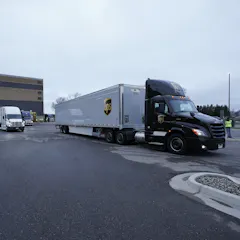
COVID-19 vaccines have very specific storage requirements that make shipping a difficult task. Two ideas – fulfillment centers and cross-docking – could help overcome some distribution challenges.
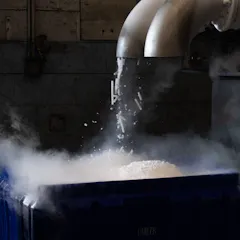
A pharmaceutical supply chain expert explains the challenges of distributing the COVID-19 vaccines from Pfizer and Moderna that need to be kept at very low temperatures.
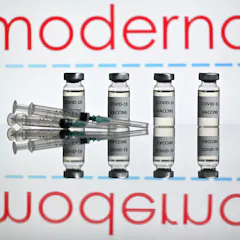
There are two new COVID-19 vaccines that appear to be more than 90% effective. But what are these vaccines, and how are they different from those used previously?
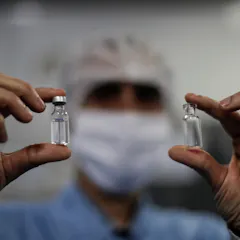
The Pfizer/BioNTech vaccine needs to be stored at -80⁰C.

The cold supply chain keeps vaccines fresh during distribution, but the current system is nowhere near large enough to distribute the billions of COVID-19 vaccines that the world needs.
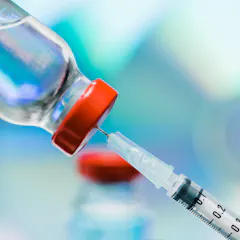
A new way of getting functioning vaccines to where they are needed.

Inspired by amber and hard candy, researchers figured out a new, needle-free, shelf-stable way to preserve vaccines, making them easier to ship and administer around the world.
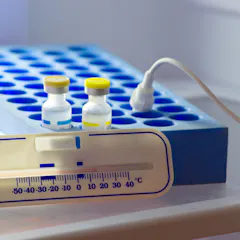
Vaccines need to be kept cold to remain effective. A lack of power in remote areas makes this difficult, reducing the reach of the life-saving pharmaceuticals.
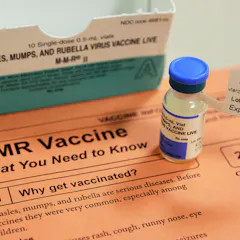
Running an effective mass immunisation campaign, vaccinating children in Nigeria against measles is a logistical nightmare.
Top contributors
-

Research associate, Warren Alpert Medical School, Brown University, Brown University
-
Eugene M. Isenberg Chair in Integrative Studies, UMass Amherst
-
Professor of Pharmacy, University of Tasmania
-
Associate professor, University of Canberra
-
Assistant Professor of Pharmacy, University of Canberra
-
Senior Honorary Lecturer on Infectious Diseases, UCL
-
Professor and Chair of Biomedical and Nutritional Sciences, UMass Lowell
-
Senior Policy Associate, Energy Access Project, Duke University
-
Professor of Medicine, University of Virginia
-
PhD student, Department of Geography, University of North Carolina at Chapel Hill
-
Professor of Environmental Conservation, UMass Amherst
-
Senior Researcher, Associate Professor: Economic Management Sciences, University of Pretoria
-
Bernard T. Ferrari Professor of Business, Johns Hopkins University
-
Lecturer in Chemistry, University of Bath
-
Lecturer, Pharmacy Academic, Rural and Remote Health NT, Flinders University