
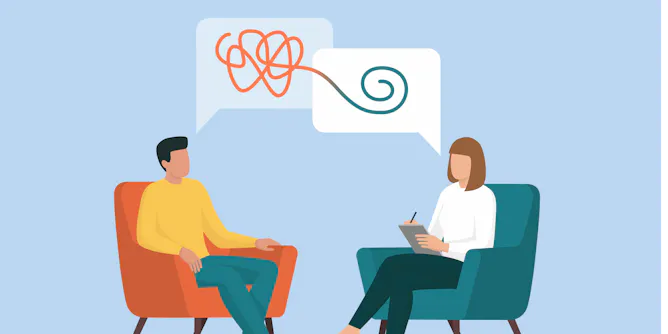
Psychotherapy is not one size fits all. From behavioral to gestalt therapies, which approach will work best for you depends on your needs and goals.
Articles on Cognitive behavioral therapy
Displaying 21 - 40 of 40 articles

Although medication and therapy can be effective treatments for ADHD, they’re not the only way to manage the disorder or its symptoms. Creating a daily routine is critical too.

Handling adult ADHD is difficult, but today, there are more evidence-based interventions than ever.

New research shows that many young people report a sense of temporary relief following episodes of self-harm. But there are clear ways to help teens replace injurious behaviors with healthy ones.

Even when the condition lasts a lifetime, there are behavioral treatments and prescription drugs that make it easier for people with attention-deficit hyperactivity disorder to thrive.

Menstruating women who sleep less than six hours a night suffer worse periods. But leading treatments for insomnia rarely look at menstrual health.

The UK’s mental health model is broken.
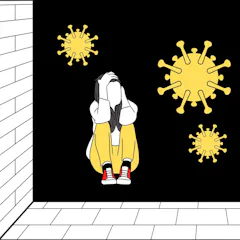
The mental health effects of the pandemic will likely outlive COVID-19. The goal should be to target mental health symptoms early in order to decrease major long-term effects.

One medication-free technique uses your emotions to release stress.

Feel like you’re facing too many pandemic-related unknowns? Reframing what it means to not know can help you break the uncertainty-anxiety connection.

A global pandemic is anxiety-provoking for most people. But modifying the way you perceive the situation can set you up to deal with it more effectively.

Psychologists use a number of different methods, including cognitive behaviour therapy, acceptance and commitment therapy, and behavioural activation. Here’s how they work and who they might suit best.

Almost a third of American adolescents have anxiety disorders. Researchers in developmental neuroscience are figuring out that how the brain matures over time may be part of the reason why.

A recent study found that half of patients who had therapy to help them cope with painful memories had a relapse four years later. So, is there a way to erase unwanted memories for good?

Anorexia nervosa can be a deadly disease. A recent analysis of several studies showed that it may be even harder to treat than previously believed. But the news isn’t all bad.

A new study has found more than half of those in drug treatment have cognitive impairments – meaning treatment won’t work for them.

Exposure therapy, where people face their feared social situations, is one treatment that can be used to treat social anxiety. So how does it work?

Behavioural activation aims to increase engagement in activities we value, which boosts our chances of deriving pleasure and a sense of achievement from life.

If presented with a client who has death anxiety, we ask them to tell us what exactly they fear about death. Once we have this information, there are several approaches to treating fear of death.

It might be that teaching people to reframe their thoughts about winter can help them overcome seasonal affective disorder year after year.
Top contributors
-

Associate Professor of Psychology & Licensed Clinical Psychologist, University of Kentucky
-
Professor of Psychology, University of Virginia
-
Professor of Human Development and Family Studies, Iowa State University
-
Professor of Psychology, University of Richmond
-
Professor, Mental Health and Addiction, Rural Health Research Institute, Charles Sturt University
-
Assistant Professor of Psychology, Yale University
-
Associate Professor in Psychology, The University of Queensland
-
Professor, UNSW
-
Assistant Professor of Psychiatry, University of California, San Francisco
-
Postdoctoral research fellow, University of Arizona
-
Assistant Professor of Behavioral Medicine & Psychiatry, West Virginia University
-
PhD Candidate, Marketing, Concordia University
-
Doctoral Candidate in Clinical Psychology & Research Associate, University of Manitoba
-
Professor of Otology and Neurotology, University of Virginia
-
Professor of Psychology, University of Vermont