

Climate innovation prizes only make up a small amount of climate research funding but are very high-profile events.
Articles on Climate solutions
Displaying 141 - 152 of 152 articles
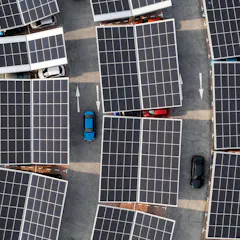
Two experts in policy and technology who were also co-authors of an international climate assessment see reasons for optimism.
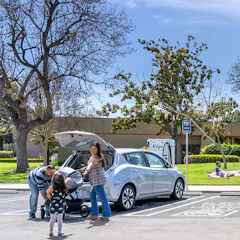
Climate change and its solutions are complex. One way to understand them — and the decisions that come with them — is through “systemic storytelling.”
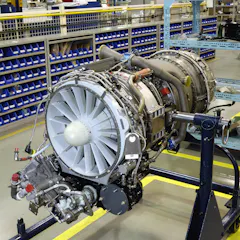
Learning lessons from the past could help reduce the impact of future industrialization.

This technology, popular when automobiles first caught on, had a short resurgence in the 1970s.
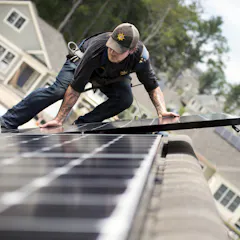
Solutions already exist. What’s holding humanity back is the will to get past the status quo and embrace innovation.
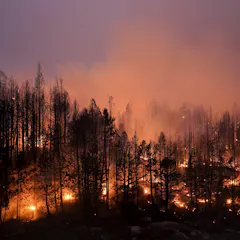
Planting trees and preventing deforestation can store carbon in nature, but the effect may only be temporary. If we also eliminate emissions from fossil fuels, even this temporary effect is important.
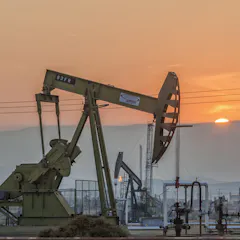
Most carbon dioxide captured in the U.S. today is used to extract more oil. Two scholars point to another way: biological sequestration.
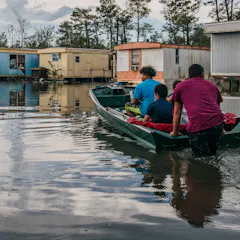
As the state copes with hurricanes and climate disasters, it is figuring out how to manage the slow-motion loss of its coastal land. But its plans could endanger the cultures that define the region.

The Army Corps of Engineers is planning a sea wall 6 miles long and flood gates. The infrastructure might protect downtown from a hurricane storm surge, but most of the area will still be vulnerable.
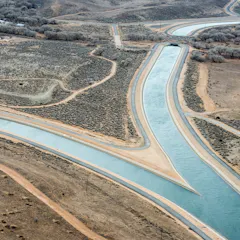
Installing solar panels over California’s 4,000 miles of canals could generate less expensive, renewable energy, save water, fight climate change – and offer a solution for the thirsty American West.

The response to COVID-19 suggests how we can leverage entrepreneurial approaches to climate change.
Top contributors
-

Senior Lecturer at Oyo State College of Agriculture and Technology, Igboora, Nigeria and Extraordinary Senior Lecturer at Indigenous Knowledge Systems Centre, North-West University, Mafikeng, South Africa, North-West University
-
Professor of Climate Change, Food Systems and Health and Director of The Lancet Countdown in Africa, London School of Hygiene & Tropical Medicine
-
Professor and Head of the Department of Geography, Geoinformatics & Meteorology, University of Pretoria
-
Professor of Environmental Medicine, University of Wisconsin-Madison
-
Senior research officer: Climate Adaptation in the African Climate and Development Initiative (ACDI), University of Cape Town
-
Director of African Climate and Development Initiative, Professor in Environmental and Geographical Science, University of Cape Town
-
Associate Professor of Climate Change, Technology and Policy, Carleton University
-
Professor of Policy Analysis, RAND School of Public Policy
-
Adjunct Associate Professor of Population Health Sciences, University of Wisconsin-Madison
-
Professor Emeritus of Environmental and Occupational Health Sciences, University of Washington
-
Professor and Chair, Department of Environmental Health, Boston University
-
Professor in Engineering, Stellenbosch University
-
Professor of Environmental Science, Rhodes University
-
Researcher in Environmental Science, Rhodes University
-
Professor in Mechanical and Mechatronic Engineering, Stellenbosch University