
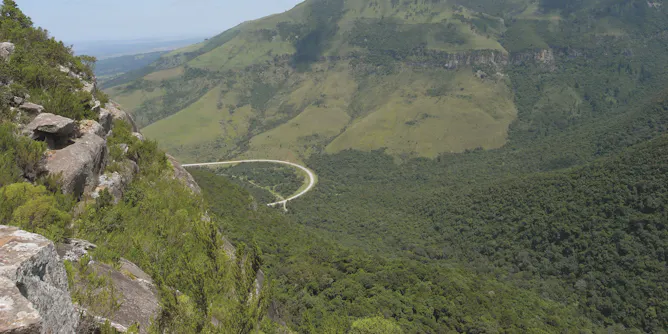
Carbon capture projects could provide the funds needed to restore land degraded by commercial farming and forestry.
Articles on climate mitigation
Displaying 1 - 20 of 32 articles

Africa holds key green energy minerals but exports them raw. If the continent had its own Green Bank, it could finance local manufacturing and green industry.
African countries need funding, skilled staff, and technology to make adaptation happen.
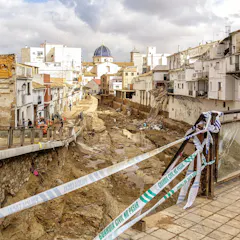
The floods’ death toll was the result of weather and human factors.

Climate adaptation projects in high conflict areas like South Sudan work best if they’re designed to help communities manage many problems at once.

At the 2024 global UN climate change summit, COP29, African countries failed to secure the US$1.3 trillion in climate finance that they need every year to adapt to climate change disasters.
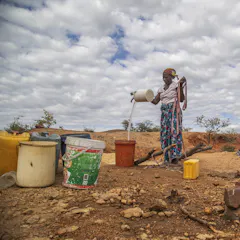
This week, nations are hashing out new goals for climate finance at the COP29 talks. Loss and damage is finally on the agenda – but the chance of major new funding is low
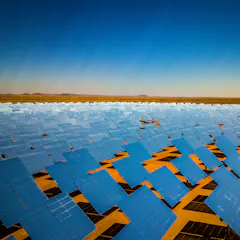
Africa could be headed for a green growth scenario, where it curbs greenhouse gas emissions and grows economies through local manufacturing of green energy equipment.
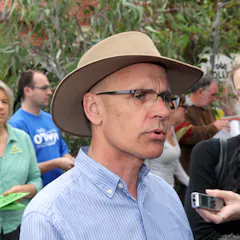
Clive Hamilton, who is Professor of Public Ethics at Charles Sturt University, joined us to talk about what Australia can do to not only survive a hotter world.
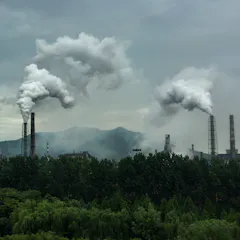
The idea that harm done today can be offset in the future is based on a basic misunderstanding of the carbon cycle. Planting more trees is important – but it’s no substitute for cutting emissions.
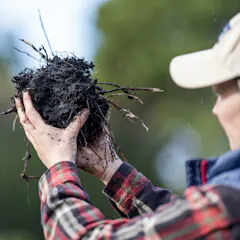
A group of agricultural and soil scientists has serious concerns about the way credits are awarded for soil carbon sequestration in Australia.
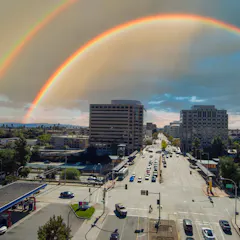
A new report explores options for managing the period after global warming exceeds 1.5°C. This is called ‘climate overshoot’, because we’re pushing past the safe zone into dangerous climate change.
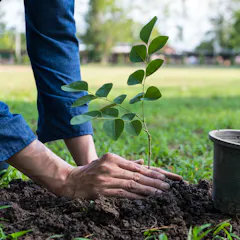
Carbon offsetting is often met with scepticism, but a new report suggests that if correctly designed it can be an important part of the net zero transition.
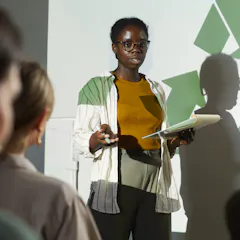
Our research shows the best changes individuals can make to cut carbon emissions and reduce the effects of climate change.
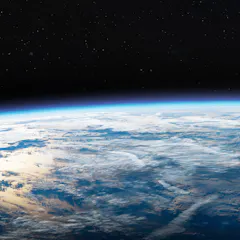
The current estimate is that Earth would warm by 1.5°C to 4.5°C if emissions were to double on pre-industrial levels. The range has remained stubbornly wide, despite improved climate modelling.
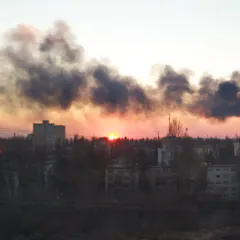
A period of high fossil fuel prices has mixed implications.
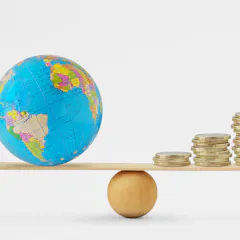
This is a transcript of part 1 of Climate Fight: the world’s biggest negotiation, a series from The Anthill podcast.
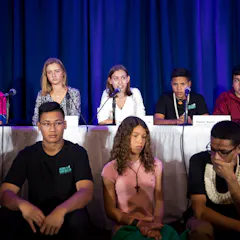
From 3D printing using plastic waste to growing cherry trees in the Himalayas, young people are not sitting idle while the world burns.
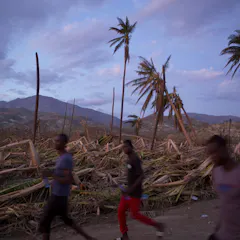
Haiti is extremely vulnerable to climate change. It is also very poor. International donors have stepped in to help the country fund climate mitigation, but is the money going where it’s most needed?
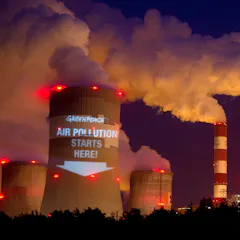
The UN climate talks are being held in a nation dominated by cheap coal.
Top contributors
-

Professor, Asian Institute of Technology
-
Head of Atmospheric, Oceanic and Planetary Physics, University of Oxford
-
Professor of Physical Climate Change; Director of the Priestley Centre for Climate Futures, University of Leeds
-
Senior lecturer, St Petersburg State University
-
Professor of Political Science and Founding Director, Center for Environmental Politics, University of Washington
-
Professor in Global Governance and Public Policy at the University of Bristol, and Co-Director, Center for Climate Change and Development, Alex Ekwueme Federal University Ndufu-Alike
-
Professor of Research in Environmental Policy, American University School of International Service
-
Research Fellow, American University School of Public Affairs
-
Postdoctoral fellow, University of British Columbia
-
Professor of Economics, Sylff-JU Project Director, Coordinator Global Change Programme-JU, Jadavpur University
-
Professor of Sustainability Sciences and Director, School of Marine and Environmental Affairs, University of Washington
-
PhD Candidate, Institute for Resources, Environment and Sustainability (IRES), University of British Columbia
-
Assistant Professor of Commerce, University of Virginia
-
Researcher in Ecology, Universidade Federal do Pará (UFPA); Empresa Brasileira de Pesquisa Agropecuária (Embrapa)
-
Assistant Professor of Climate Adaptation, University of Washington