

Three climate-related factors have loaded the dice for a drier and warmer winter this year.
Articles on climate drivers
Displaying all articles
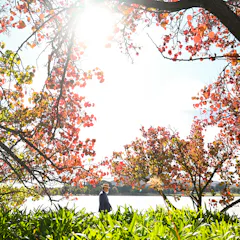
It’s been a very warm and dry autumn for much of southern Australia – and winter looks set to be similar.
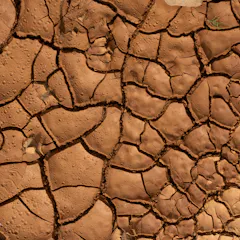
Media reports have suggested a “super” El Niño is looming. The problem is, these autumn forecasts are notoriously unreliable.

Reports of a rare summer La Niña are premature. It is also foolish to look at such climate drivers in isolation. But seasonal forecasting is becoming more complicated as the planet warms.

Get set for a hotter and wetter summer this season in Australia. The long-range forecast from the Bureau of Meteorology today points to above average rainfall, especially in December, and warmth.
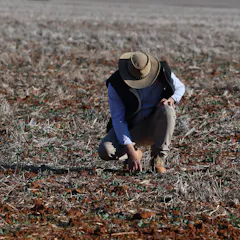
Recent flash droughts in parts of NSW and Victoria appeared quickly and can be followed by intense flooding rains. It’s part of a global trend driven by global warming.

El Niño looms large as we head into the Australian summer. But can everyone expect hot and dry weather? What drives the weather in your state?
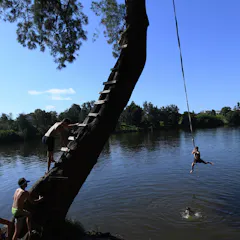
Very hot days in Western Sydney are typically 5 degrees hotter than parts of the city close to the coast and are becoming more common, but only in the west. Four climate drivers explain the difference.
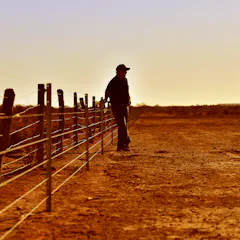
Not all El Niño events lead to drought in Australia. Other factors are involved and it will take some time for drought to develop now catchments are wet and most dams are full.

The findings have big implications for how Australians prepare for extreme weather events.

The NSW floods are a textbook example of the theoretical impacts we can expect on Australian rainfall as climate change continues.
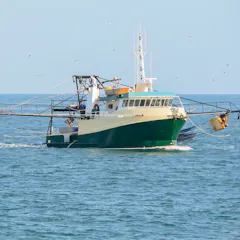
An El Niño event in 2015-16 led to the lowest ever catch in redlegs. Fisheries must work with research to climate-proof their management.
Top contributors
-

Postdoctoral Research Fellow in Atmospheric Sciences, The University of Melbourne
-
Professor, School of Mathematical And Physical Sciences, University of Technology Sydney
-
Visiting Fellow, School of Mathematical and Physical Sciences, University of Technology Sydney
-
ARC Future Fellow and Associate Professor in Climate Science, ARC Centre of Excellence for 21st Century Weather, The University of Melbourne
-
Associate Professor, School of Environmental and Life Sciences, University of Newcastle
-
Chief Research Scientist, Oceans and Atmosphere, CSIRO, CSIRO
-
Adjunct Professor (Practice) in the School of Earth, Atmosphere and Environment, Monash University
-
Senior Principal Research Scientist, CSIRO
-
Senior Lecturer, School of Mathematics and Physical Sciences, University of Technology Sydney
-
Research Fellow, Faculty of Science and Engineering, Southern Cross University
-
Honorary Associate Professor of Climate Science, The University of Melbourne
-
Senior Research Scientist, CSIRO
-
Lecturer, School of Mathematical and Physical Sciences, and Researcher, Centre for Forensic Science, University of Technology Sydney
-
Climate scientist, Australian Bureau of Meteorology
-
Marine Ecologist, CSIRO