

An academic expert in environmental storytelling reads the Sun and the Express.
Articles on Climate communication
Displaying 41 - 59 of 59 articles
Major new survey shows big national variations in levels of concern, polarisation and media usage.

The best way to inoculate the public against climate disinformation campaigns is to tell them what’s coming.
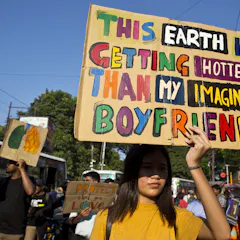
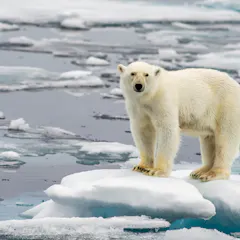
‘Two polar bears walk into a bar …’ is an unlikely opener for a joke, but memes and parodies are surprisingly effective ways to get people talking about climate change.

Decarbonizing the global economy would help the climate change problem – but also many others. Would putting all those additional co-benefits center stage help drum up support for climate action?
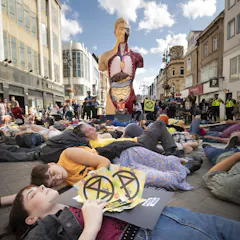
Climate engagement still tends to increase with education and income.

A recent survey in Indiana finds broad concern about climate change and support for addressing it in this red state, with one catch: Many Hoosiers don’t realize their neighbors agree with them.
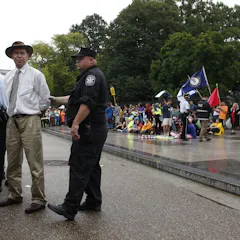
Some climate scientists have spoken out about the dangers of climate change. But a new study shows those voices may not be very influential.

Many practicing U.S. Christians do not believe that human activities are warming the Earth, but they hold diverse views about the environment. Effective climate conversations recognize those nuances.
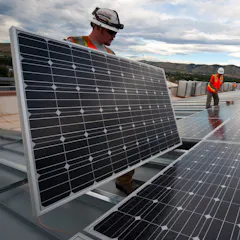
Good communication about climate change requires much more than just alarming messages about all the scary impacts of a warming planet.
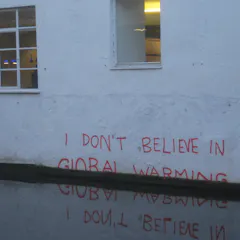
The results of a study that measured public responses to a policy aimed at reducing carbon emissions contradict a common environmental concern.
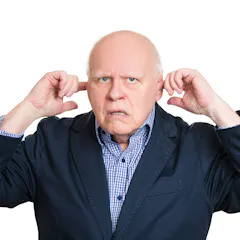
Facts will only get you so far when it comes to climate change. To get conservatives on side, climate communicators must focus on the values conservatives hold dear, such as preserving the status quo.
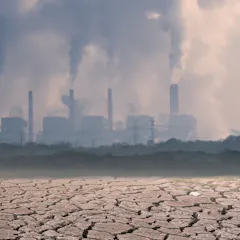
Unlike the more abstract idea of global climate change, pollution is tangible and its effects are obvious.

Why assembling two teams to debate climate change is all about political spectacle and sowing doubt – and has nothing to do with actual climate science.
An experiment in getting people to care about climate change uses slick videos, charismatic scientists and calls to action.

Cognitive dissonance: scholars need to confront the undeniable conflict of pushing for action on climate change, while maintaining a high-energy lifestyle.
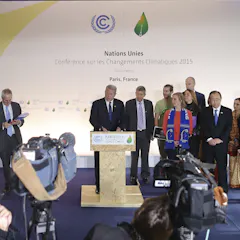
Coverage was generally positive – though there were also two entirely different types of naysayer.

If we can convince people that climate change is real and important, then surely they will act: this intuitive idea underlies many efforts to communicate climate change to the public. But it may not be the best way.

The Australian Academy of Sciences today released the new The Science of Climate Change: Questions and Answers. This is an extensively revised update of a similar publication in 2010. Its stated purpose…
Top contributors
-

Research Associate, Journalism, Reuters Institute, University of Oxford
-
Doctoral researcher, School of Geography and the Environment, University of Oxford
-
Assistant Professor, University of the Fraser Valley, School of Communication, University of The Fraser Valley
-
Professor of Climate Change Impacts, Newcastle University
-
Senior Lecturer in Marketing, Queen Mary University of London
-
Professor of Earth System Science, UCL
-
Professor of Sustainable Practice, University of Southampton
-
Senior Lecturer in Science Education, University of York
-
Director, National Climate Change Adaptation Research Facility, Griffith University
-
Post-doctoral research fellow, The University of Queensland
-
Professor Emeritus of Climate and Space Sciences and Engineering, University of Michigan
-
Holcim (US) Professor of Sustainable Enterprise, Ross School of Business, School for Environment & Sustainability, University of Michigan
-
Senior Research Associate, Environmental Sciences, University of East Anglia
-
Professor of Urban Studies and Public Health, Georgia State University
-
Associate Lecturer, The Open University