
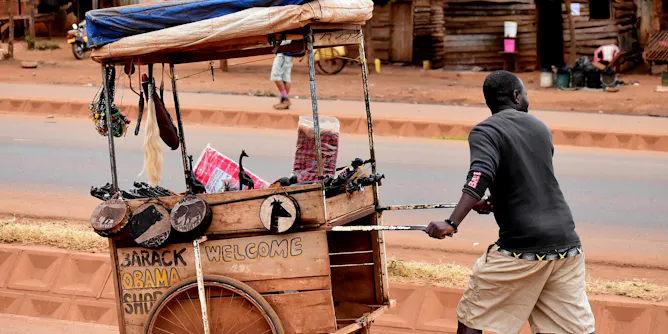
Street sales are a source of jobs, income and survival for the urban poor in Ghana.
Articles on City governance
Displaying 1 - 20 of 25 articles

A study of cities around the world that are developing innovative solutions to their problems has identified three key elements of success.

The November 2020 local and regional elections have indeed put Namibia’s political culture at a crossroads.
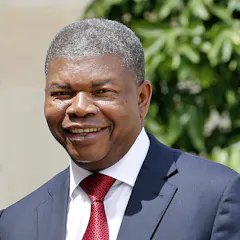
Citizens have been denied their right to elect officials at the grassroots and this has allowed the central government to maintain rigid control of the country’s regions.
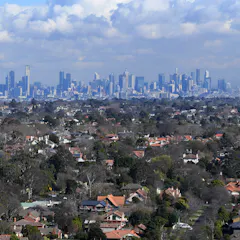
The business of metropolitan planning is not the natural game of state governments. The Victorian government tries but cannot manage metropolitan Melbourne.
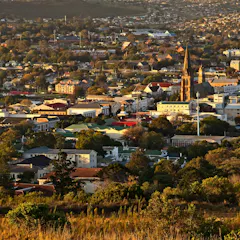
The precedent-setting ruling may cause jitters in dysfunctional municipalities around the country.

Overseas, city-shaping mega-projects are generally overseen by local government, but in Australia state governments often step in and exclude council and community representatives from the process.

A study looked at fines in 93 California cities. Cities with more black residents and more disproportionately white police forces tended to rely the most on fines.
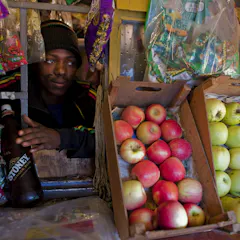
By better understanding the politics and governance of African cities and variations across cities, we can identify feasible opportunities to improve informal traders’ livelihoods.
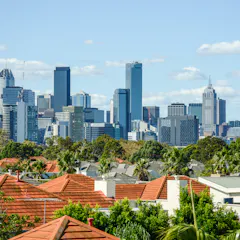
Melbourne and Sydney are members of 100 Resilient CIties, which the Rockefeller Foundation has said it will no longer fund. So what has the global network achieved? And what can we learn from this?
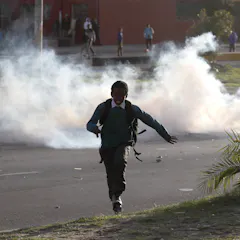
Troubles in South Africa’s coalition-led local governments are affecting accountability, governance stability and service delivery.
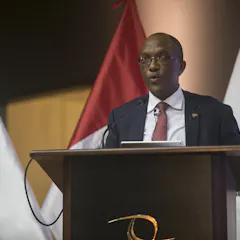
Nearly a third of South Africa’s municipalities are not financially viable.
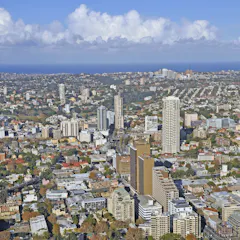
Scholars and planners have long pointed out the need in Australia’s big cities for democratic governance structures that operate at a citywide scale. Now Infrastructure Australia has weighed in.
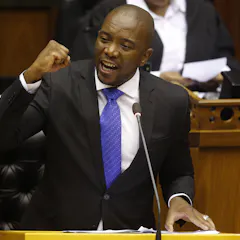
Opposition leader Mmusi Maimane’s takeover of responsibility for tackling the Western Cape water crisis blurs party and state lines.
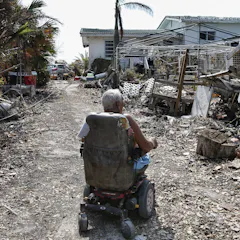
There’s something in the old adage, ‘there’s no place like home’.
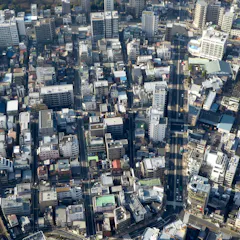
Tokyo has experienced extraordinary population growth but is among the world’s most liveable cities. Just how has it managed the pressures of growth?
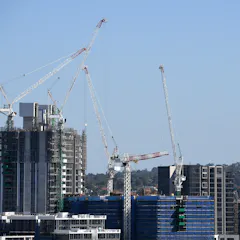
Planning for the future of our cities can no longer ignore growing social, economic and environmental issues that are all exacerbated by wealth and income inequalities.

Building a second Sydney airport will be a demanding engineering project. But the real challenge will be one of governance needed to choreograph the mix of old and new city that will surround it.
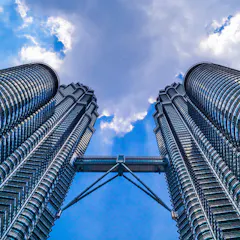
Like a 5D movie on speed, the city today defies conventional boundaries. This raises new questions about what we imagine to be ‘the city’ – and how we as a democratic community can shape it.
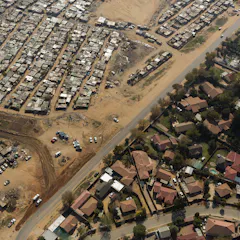
Without data, people don’t know what to believe or whom to trust. Empirical, thorough data collected by academics can help to fill important governance gaps.
Top contributors
-

Professor of Urban Planning, The University of Melbourne
-
Chief Research Specialist in Democracy and Citizenship at the Human Science Research Council and a Research Fellow Centre for African Studies, University of the Free State
-
Senior Lecturer/Associate Professor, Department of Government, University of Essex
-
Emeritus Professor, Social and Community Policy, University of South Wales
-
Professor Sustainability and Urban Governance, RMIT University
-
Research Assistant, Landscape and Environmental Sociology, The University of Melbourne
-
Associate Deputy Vice Chancellor in Research & Innovation, RMIT University
-
Adjunct professor, School of Media and Communications, RMIT University
-
Professor of Law, University of the Witwatersrand
-
Executive Director: Gauteng City-Region Observatory, University of the Witwatersrand
-
Professor of Urban Policy and Director, Urban Futures Enabling Impact Platform, RMIT University
-
Senior Researcher, Globalism Research Centre, RMIT University
-
Professor of International Planning, Centre for Urban Research, RMIT University
-
Professor of Planning, School of Built Environment, UNSW
-
Associate Professor of Urban Planning, The University of Melbourne