

Tracking mosquitoes is essential to understanding their pest and public health risks. You can help too – here’s how.
Articles on Citizen science
Displaying 81 - 100 of 213 articles

Repeat photography has been used to document vegetation change in Africa since the 1950s; in the last 30 years there’s been an explosion of interest.
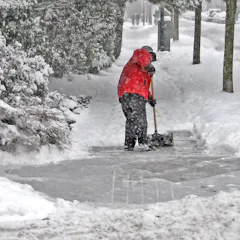
It’s hard to get accurate measurements, but a nationwide network of more than 8,000 volunteers with rulers and specific standards reports after every storm.
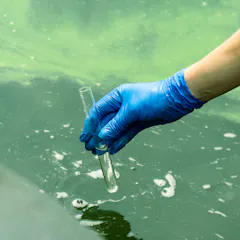
Getting involved in citizen science projects can be a great way to have a positive impact on the world.
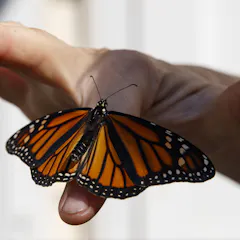
Informed data donations are different from the usual online data experience. They’re easier to manage because of technological advances.

Contributions from citizen scientists who look for orchids are incredibly valuable in orchid research because they cover much more ground than a handful of experts.

Armed with smartphones, keen eyes and curiosity, students are learning to provide vital observations that add to our knowledge of the distribution of plant and animal species and how to conserve them.
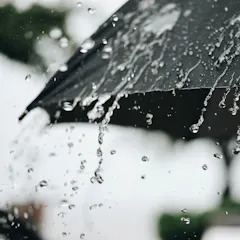
Extended periods of rain are most likely found in locations where mountains are near oceans.
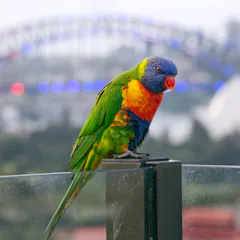
There’s enormous value in citizen science projects that encourage urban-dwellers to learn about what is often, quite literally, on their doorsteps.

It’s about developing a community of practice: people who can work alongside scientists, taking science out of the laboratory and into the field.
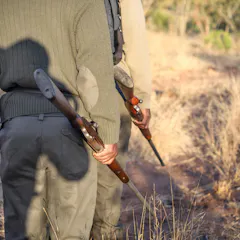
There is a promising trend of growing research and training in statistical ecology in Africa.
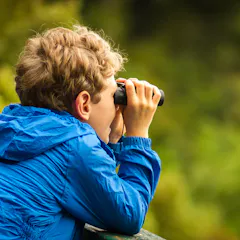
If we all collect and understand scientific data as citizens, we’ll be a step closer to a society able to make better collaborative decisions.
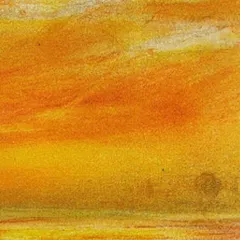
The Rev. Sereno Edwards Bishop mobilized ship captains to track the extraordinary sunsets appearing around the world after Krakatau erupted in 1883.

It’s typically rare to see a dead frog. Yet, we’ve received a flurry of emails from people coming across them in this truly unusual, and tragic, mass death event.
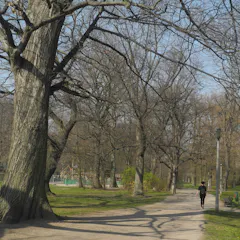
As we look beyond a world besieged by Covid-19, the relationship between humans and nature in our cities must be shaped and reclaimed.
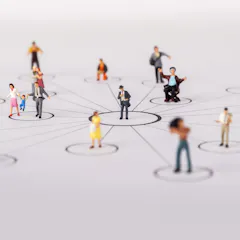
The WHO is creating a Global Pandemic Radar – an example of collective intelligence that must learn lessons from this pandemic.

The term “citizen science” is intended to widen the network of people whose contribution to science is acknowledged. But the word “citizen” can be problematic.
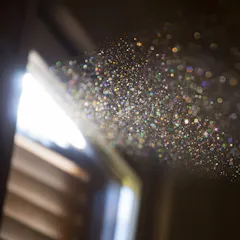
We analysed the dust in 32 homes across Sydney, and found significant levels of microplastics. But having hard, non-varnished floors and vacuuming at least weekly might help.
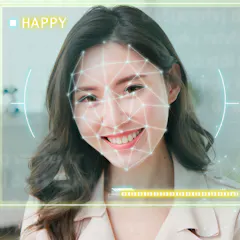
Emotion recognition technology raises questions about bias, privacy and mass surveillance.

The environmental, cultural and scientific sensitivity of some sites, and rarity of some fossils, means amateur fossil collecting comes with huge risks.
Top contributors
-

Curator, Amphibian & Reptile Conservation Biology, Australian Museum, UNSW
-
Professor of Science Communication and Chemistry, University of Hull
-
Sector Lead, Atlas of Living Australia, CSIRO
-
Dean Students, College of Health, Adelaide University
-
Lecturer, School of Life and Environmental Sciences, University of Sydney
-
Associate Professor in Biology, Zoology and Animal Science, Western Sydney University
-
Associate Professor in Ecology and Evolution, UNSW
-
Postdoctoral Fellow, Evolution & Ecology Research Centre, UNSW Sydney, UNSW
-
Clinical Associate Professor, School of Medical Science & Sydney Infectious Diseases Institute; Principal Hospital Scientist, University of Sydney
-
Research Fellow at the University of Sydney, University of Sydney
-
Adjunct Fellow, Institute for Sustainable Futures, University of Technology Sydney
-
Associate Professor, Animal Anatomy and Physiology, Charles Sturt University
-
Associate Teaching Professor of Meteorology and Atmospheric Science and Manager of the Joel N. Myers Weather Center, Penn State
-
Honorary Fellow, Space and Astronomy, CSIRO; Western Sydney University
-
Chair of ARC Centre of Excellence for Quantum Biotechnology, The University of Queensland