

Telling your children you and your partner aren’t going to be together anymore is a significant change in their lives.
Articles on Children's health
Displaying 161 - 180 of 244 articles

The marketing of breakfast cereals may be confusing consumers with a mix of true and inflated claims.

The number of families living in high-rise, inner-city apartments is growing. Yet our research shows many parents find it challenging to raise children in such housing.
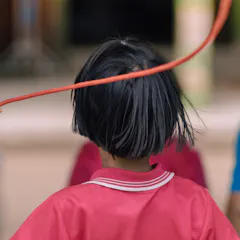
Compulsory sport and physical education at school will improve children’s memory, attention and ability to concentrate, not just boost fitness. The evidence is in.

Teenagers with HIV in childcare facilities have to deal with the challenges of adolescence
while living with the disease.

Parents aren’t taught how to verify the health information they find online. So here are some ways to ensure the sources are credible and trustworthy.

Poorer children in Australia are less likely to receive their share of Medicare funding, particularly in the first years of life.

A new study has found no evidence to suggest a link between carrying a heavy backpack and back pain in these age groups.

The flu vaccine isn’t perfect but it’s the best way to protect against these potentially harmful viruses. Most children aged six months to five years are eligible for a free vaccine in 2018.
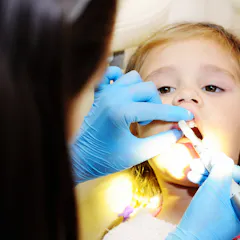
The latest poll on children’s oral health shows many parents have misconceptions about how to prevent tooth decay in their children and don’t know of the free dental services available.

Social media platforms can identify children who are most interested in or vulnerable to junk food and its advertising.
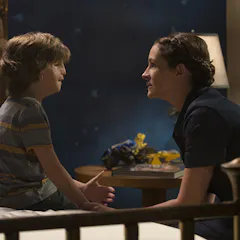
People with facial difference often develop strategies for smoothing over social awkwardness, such as ways of introducing the issue into conversation early or using humour to deflect attention.
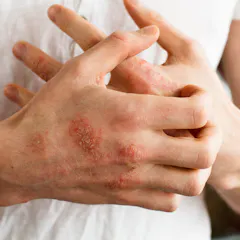
While school sores – or impetigo – is a treatable condition, if left untreated it can lead to much more serious illness such as kidney and heart disease.

Around 300 babies and children are diagnosed with a stroke in Australia each year. But these can be diagnosed too late with devastating and life-long consequences.

Why hasn’t there been an improvement in survival in the last 30 years for patients with brain cancers?

Leukaemia used to be a death sentence. Now, the survival rate for the most common form in children is 85%. We can apply similar strategies to how we approach childhood brain cancer.

While there are similarities in the general principles of palliative care provided to children and adults, there are also key differences.

Some parents think their four-year-old boy’s emotional outbursts and aggressive behaviour can be blamed on their hormones. Here’s why that’s a myth.
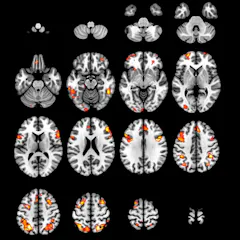
It can be very hard for people to accept that they – or their family member – are not to blame for their mental illness. Seeing the evidence in a scan can make a difference.
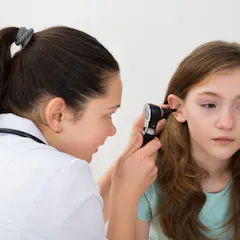
Children with glue ear constantly struggle to hear at school, which may leave them frustrated, disengaged and unlikely to reach their full potential.
Top contributors
-

Paediatrician, Infectious Diseases Physician and Clinical Microbiologist, The Kids Research Institute Australia, The University of Western Australia
-
Assistant Professor of Pediatrics, University of Colorado Anschutz
-
Clinical Associate Professor of Infectious Diseases, Stanford University
-
Team Lead, Healthy Skin and Acute Rheumatic Fever Prevention, The Kids Research Institute Australia
-
Endowed Professor of Health Policy and Associate Dean, George Washington University
-
Professor of Earth Sciences and Executive Director, Environmental Resilience Institute, Indiana University
-
Associate Professor of Education, Charles Sturt University
-
Senior Lecturer in Education, Queensland University of Technology
-
Professor of Paediatrics and Child Health, University of Sydney
-
Paediatrician & Infectious Diseases Physician; Senior Lecturer & NHMRC Fellow, Faculty of Medicine, University of Sydney
-
Associate Professor of Physiotherapy, University of Technology Sydney
-
Clinical Professor of Medicine, University of California, San Francisco
-
Paediatrician and Associate Professor, UNSW
-
Professor, School of Population Health, UNSW
-
Principal Fellow, Department of Paediatrics, The University of Melbourne