
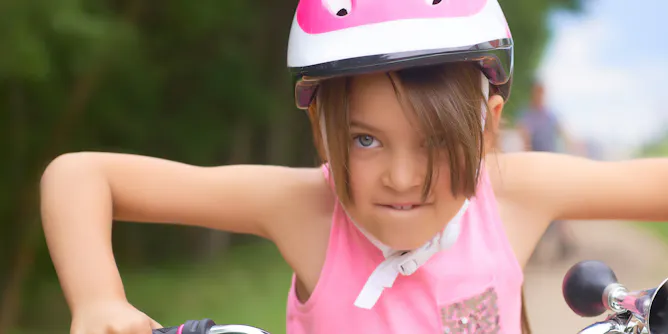
During the pandemic, children’s independent mobility may be more essential than ever before.
Articles on Children's health
Displaying 121 - 140 of 244 articles
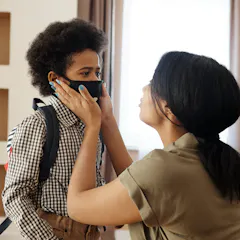
A rare new disease syndrome appears to be caused by an overactive immune response in children, often hitting weeks after exposure to the SARS-CoV-2 virus.

Governments must ensure access to preschool for all children, many of whom will have had their learning and development affected by COVID-19. It will help children recover, as well as the economy.

Pediatricians say they are getting increasing requests from parents for medical cannabis for kids for a growing list of conditions.

More evidence has come in and confirmed what the government has been saying for some time. Children do get infected much less than adults with COVID-19 and when they do, they hardly spread it.

Screen “time” gets all the airplay, but with families confined to home – screen quality and screen buddies – are just as important, if not more, for healthy technology use.
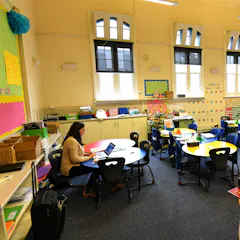
Strict quarantine measures have been shown to be more effective in reducing the spread of COVID-19 than closing schools.

If your child is staying at home for long periods due to the coronavirus outbreak, there are many ways you can help sustain their mental and physical well-being.
So far, children have not been as sickened by the coronavirus as adults. So why do officials talk about closing schools? And what does this mean for you as a parent? A public health expert explains.

The health and rights of children and adolescents, particularly the most marginalised and vulnerable, are under immediate threat from climate change, corporate actors and growing inequities.

A rare disease is one that affects less that five in 10,000 people. There are about 7,000 known rare diseases.

By year three, children identified as having difficulties when they start school, are around nine months behind their peers in learning.

Starting Feb. 6, 2020, California farmers will be barred from using chlorpyrifos on their crops. The Trump administration says more study is needed, but other states are also moving ahead.

The EPA has just adopted a rule that limits what kinds of science regulators can use in setting rules. A scholar explains how this shift could impede his work mapping child lead poisoning.

The number of children with complex medical issues is growing, thanks in large part to medical advances. But these kids and their caregivers need a lot of support.

Taking risks helps children test new ideas and find personal capabilities and limits. Here are five lessons from early childhood educators to help parents encourage their kids to take risks, safely.

Experts in child health and physical activity offer recommendations for training of early childhood educators, and strategies to get kids moving.
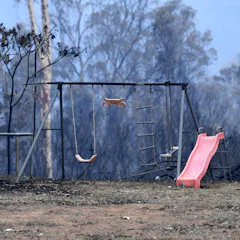
Most kids bounce back quickly after a disaster and there are several strategies you can use to help.

Community water fluoridation is a cost-effective public health measure that can reduce cavities by approximately 25 per cent. Yet some communities are worried about it.
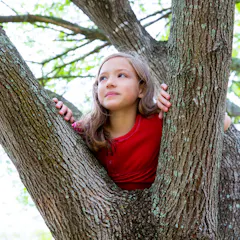
Every expert we asked talked about the importance of letting children take risks and explore in nature. But they also advised parents to supervise and set limits.
Top contributors
-

Paediatrician, Infectious Diseases Physician and Clinical Microbiologist, The Kids Research Institute Australia, The University of Western Australia
-
Assistant Professor of Pediatrics, University of Colorado Anschutz
-
Clinical Associate Professor of Infectious Diseases, Stanford University
-
Team Lead, Healthy Skin and Acute Rheumatic Fever Prevention, The Kids Research Institute Australia
-
Endowed Professor of Health Policy and Associate Dean, George Washington University
-
Professor of Earth Sciences and Executive Director, Environmental Resilience Institute, Indiana University
-
Associate Professor of Education, Charles Sturt University
-
Senior Lecturer in Education, Queensland University of Technology
-
Professor of Paediatrics and Child Health, University of Sydney
-
Paediatrician & Infectious Diseases Physician; Senior Lecturer & NHMRC Fellow, Faculty of Medicine, University of Sydney
-
Associate Professor of Physiotherapy, University of Technology Sydney
-
Clinical Professor of Medicine, University of California, San Francisco
-
Paediatrician and Associate Professor, UNSW
-
Professor, School of Population Health, UNSW
-
Principal Fellow, Department of Paediatrics, The University of Melbourne