

‘Cage-like’ facilities, segregation, and high numbers of exclusions show the concerning ways schools have responded to challenging behaviours by students with disabilities.
Articles on Children with disability
Displaying 61 - 80 of 80 articles

Accurate data is needed for how disability funding is being used in schools so that it can be allocated correctly.
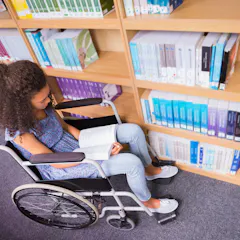
Many students with disabilities feel excluded from daily university life and the assumption is that they, not the institutions, must change.
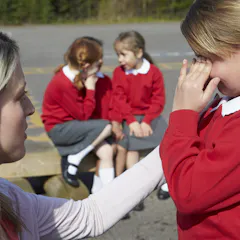
Students with disability are experiencing a range of harms in schools, and teachers are struggling to support students with increasingly complex needs.
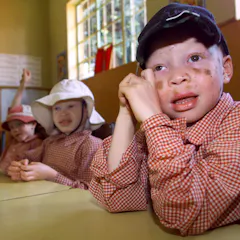
In Tanzania, where albinism is common, there’s plenty that ordinary teachers can do to support students with albinism – much of it quite simple.
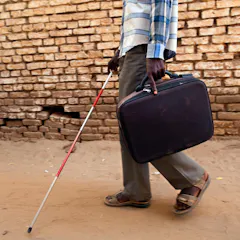
Students with disabilities find that they must accommodate themselves to institutional contexts which they find profoundly disabling.
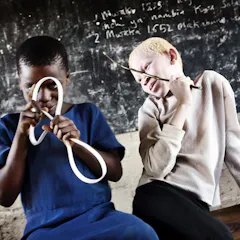
Children living with albinism are very vulnerable to attack, kidnapping, mutilation and murder. In Tanzania, fear is keeping many children away from school and costing them an education.
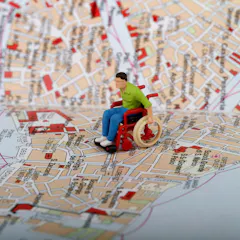
The history of disability toys – that is, both toys designed for use by disabled children, and toys that depict disability – reflects the changing treatment of the disabled.
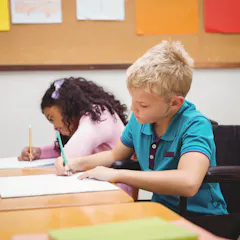
November 29 marks the 40th anniversary of the Education for All Handicapped Children Act (EAHCA). Prior to the law, some states excluded the “crippled” from public education.
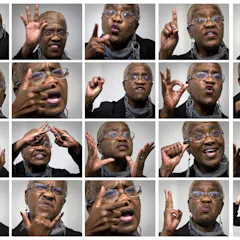
One South African student’s experience with live captioning technology may be the start of an exciting change for deaf university students who do not use sign language.

On July 26, America celebrates the 25th anniversary of the Americans with Disabilities Act (ADA). This law and its predecessors changed the lives of those with disabilities. This is Jim’s story.

Developing friendships in classrooms is important for kids. How can teachers help?
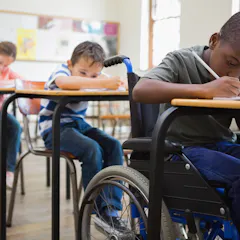
Career development is the nexus between employment and education. It can be used to bolster disabled youngsters’ confidence and show them what jobs are available after school.
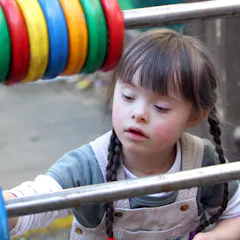
Children with special needs aren’t necessarily always better in mainstream schools.
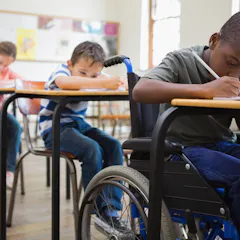
South African teachers say it’s a struggle to apply their training about “inclusive education” in crowded, stressful classroom situations.

In subtle (and not-so-subtle) ways, our language reflects societal attitudes.

Microsoft has joined those firms making efforts to hire autistic people – hardly surprising, with the benefits that could bring.

The Workforce Innovation Opportunity Act, which comes into effect this summer, aims to provide access to quality career development programs for people of all age groups.
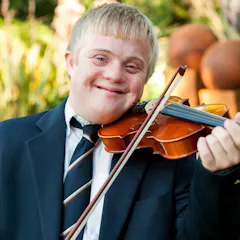
The review of the Australian curriculum raises major concerns about access to a quality curriculum for students with disability. Under the guise of creating greater inclusivity, the review recommends a…
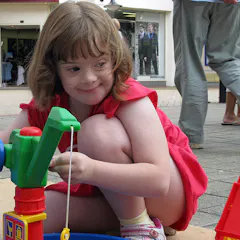
Inclusive education, where students with disabilities are educated within mainstream classrooms rather than special schools or classes, is widely recognised as being the best way to ensure everyone gets…
Top contributors
-

Senior Lecturer of Wellbeing Science, The University of Melbourne
-
Professor and Director of the Centre for Inclusive Education, Queensland University of Technology
-
Senior Lecturer in Special and Inclusive Education, RMIT University
-
Professor, Public Service Research, UNSW
-
Associate Professor, Tarleton State University
-
Professor, Education, Mount Saint Vincent University
-
Professor of Inclusive Education, L’Université d’Ottawa/University of Ottawa
-
Post-Doctoral Research Fellow, SARChI in Higher Education and Human Development Research Group, University of the Free State
-
Sessional Lecturer, Faculty of Education, University of Manitoba
-
Lecturer in Education, University of Newcastle
-
Senior Research Fellow, Crawford School of Public Policy, Australian National University
-
Professor of Inclusion and Educational Psychology, Adelaide University
-
Professor of French and Critical Disability Studies, Lancaster University
-
Associate Dean for Research, Boston University
-
Researcher in Inclusive Education, Monash University