

Parents’ substance use affects children’s physical, psychological, cognitive, social and economic well-being, a new review of the research has found.
Articles on Child wellbeing
Displaying 41 - 60 of 75 articles
UK research indicates outcomes for children with mental health problems may have become worse in more recent generations.

Education through to the end of high school is a birthright in Australia but many kids are missing out on important parts of that birthright in ways that leave them feeling like losers and outsiders.
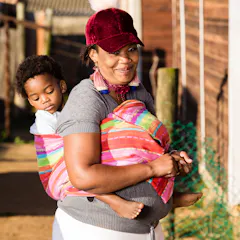
The diversity of families is one of the important underlying themes of the South African Child Gauge 2018.
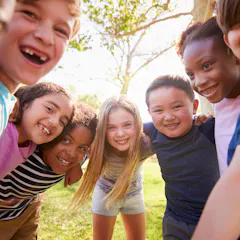
This is what children want from their local areas to live happier and healthier lives.

Research has started to identify the key factors in creating communities that promote good early childhood development.
Focusing on two determinants of mental health can help pupils prevent issues arising.

New research has found one in five dads has experienced symptoms of depression and/or anxiety after having children.
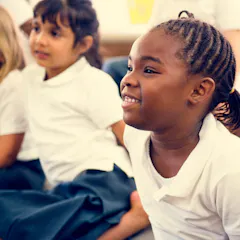
Positive education pairs the traditional focus of schools on academic achievement with positive psychology interventions to support student wellbeing.
It’s widely accepted that young people living in children’s homes or foster care are vulnerable to mental illness, but new research shows that social media can actually help.

As Canadian kids head back to school this week, many will be hungry. Lacking fruits, vegetables and other nutritious foods, they will suffer mood problems, disease and low academic performance.

Exposure to nature plays a positive role in brain development by providing children with opportunities to take risks, discover new things, and be creative.
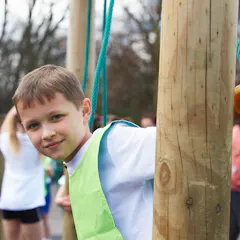
If we want our children to stay healthy, we need to start making it a priority for schools.
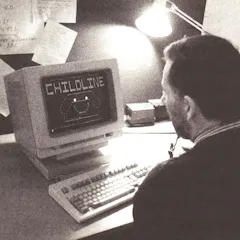
Last year, ChildLine was contacted every 30 minutes by a young person having suicidal thoughts.
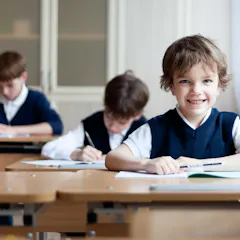
Do we really need to introduce a well-being league table to tackle mental health issues in schools?
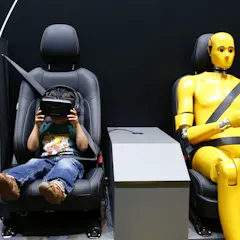
There is no doubt that virtual reality is the next big thing. But for families with young children, it may be wiser to wait a little before leaping headlong into this new reality.
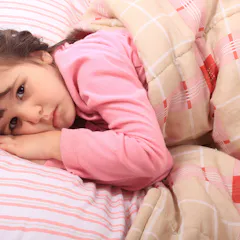
If behavioural sleep problems persist beyond infancy, there could be implications for children’s emotional and attentional development longer term.

Sarah Hanson-Young told Q&A that Indigenous children are currently ten times more likely to be living out of home. Is that right?
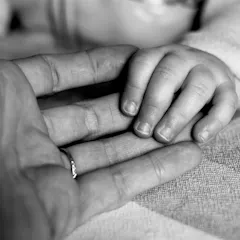
Parents in three Australian states are being given misleading advice about the dangers of lead to babies and small children – including failing to warn pregnant women about miscarriage risks.
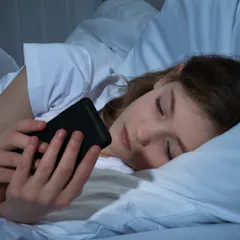
Messaging friends on social media at night is often a source of sleep problems. Setting limits on the use of technology in the evenings can help your child get the sleep they need.
Top contributors
-

Researcher in enhancing wellbeing, Cardiff Metropolitan University
-
Professor of IT Ethics and Digital Rights, Bournemouth University
-
Professor of Sociology of Education, UCL
-
Honorary Research Fellow, The University of Melbourne
-
Lecturer in British & European History post 1850 , University of Southampton
-
NSPCC Reader in Childhood Studies, Queen's University Belfast
-
Deputy Director and Research Programme Lead for the Evidence Based Practice Unit, UCL
-
Professor of Psychology, The University of Melbourne
-
Professor of Education, University of Sheffield
-
Professor of Education, Division of Education, Faculty of Social Sciences, University of Stirling, Scotland, University of Stirling
-
Researcher in Health Psychology, Cardiff Metropolitan University
-
Senior Research Fellow (Regional Community Development), Strategic Research Projects, University of Southern Queensland
-
Adjunct assistant professor, North Carolina State University
-
Senior researcher, Children's Institute, University of Cape Town
-
Director, Kath McFarlane Consulting & Adjunct Associate Professor, The Kirby Institute, UNSW