
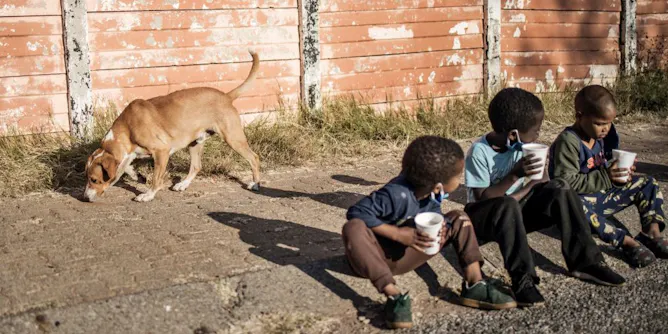
Fragmentation of services is a barrier in addressing severe child poverty.
Articles on Child Support Grant
Displaying all articles

Women already facing structural inequalities are most affected by a lack of child support.
Poor nutrition stunts children’s growth and hollows out their life chances.
Some caregivers reported seeing improvements in their children’s schoolwork and behaviour at school.
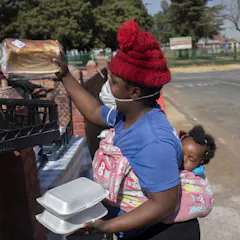
Despite the success of relief efforts by the government and civil society, it’s clear that hunger and food insecurity remain at disturbingly high levels in households.
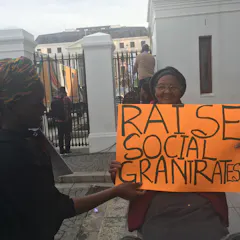
To begin to deal with South Africa’s persistent poverty, high unemployment, and the economic aftermath of the pandemic, grant increases must remain in place after the six month period.
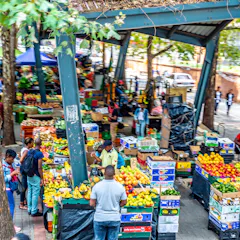
Several groups of people are at high risk of hardship, especially those who have effectively become unemployed because of the lockdown.

To support precarious households that can’t access existing relief during lockdown and its aftermath, the government should implement a temporary increase in the value of the child support grant.

The South African child support grant is progressive in its gender-neutrality, yet men make up only 2% of those who collect it.
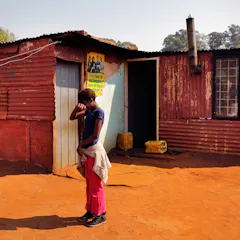
The child support grant, as a policy instrument, cannot work alone in ensuring that young people thrive and succeed.

Children whose families benefit from social grants and family support interventions enjoy better health, nutrition and schooling.

Many young South African mothers who deserve to get the child support grant are excluded.
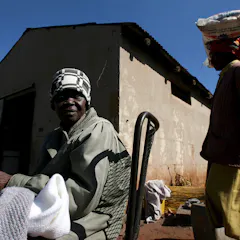
Stories from the ground highlighted the unmet needs of people who are vulnerable and who are left behind.

About 60% of children in South Africa under 10 years don’t live with their biological fathers. But research sheds light on those who despite the pressures remain involved in their children’s lives.

Should South Africa’s social grants not be disbursed, many households will lose the only source of income they have.

Across the world many countries issue pregnancy grants to support mothers-to-be. South Africa has a progressive social security grant system, but it does not support this vulnerable group.
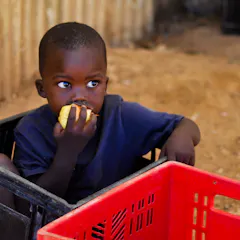
Inequalities in the nutritional status of poor and rich have been mitigated through various social protection policies, but children in South Africa remain at risk of malnutrition.
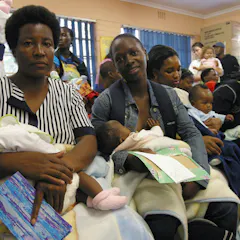
The gendered nature of social welfare is invisible and taken for granted – particularly in development contexts.It’s time to debate a more gender-sensitive and equitable welfare agenda in the South.
Top contributors
-

Professor of Social Development Studies, University of Johannesburg
-
Researcher, Centro Brasileiro de Análise e Planejamento (CEBRAP); University of Johannesburg
-
Associate Professor at the Wits Reproductive Health & HIV Institute, University of the Witwatersrand
-
Professor, School of Public Health, University of Gothenburg Sweden, University of the Witwatersrand
-
Senior researcher, Children's Institute, University of Cape Town
-
Assistant Professor at the Danish Centre for Welfare Studies, University of Southern Denmark
-
Senior lecturer, University of Exeter
-
UCT Emeritus Professor and Senior Research Scholar; Director of ARUA's African Centre of Excellence for Inequality Research within SALDRU., University of Cape Town
-
Associate professor, University of Johannesburg
-
Professor, University of Cape Town
-
Instructor, Department of Geography and Environmental Studies, Carleton University
-
Research Fellow, Institute of Development Studies
-
DSTI/NRF Research Chair in Welfare and Social Development, University of Johannesburg
-
PhD candidate in Economics, UMass Amherst
-
Lecturer, Department of Sociology, University of Cape Town