
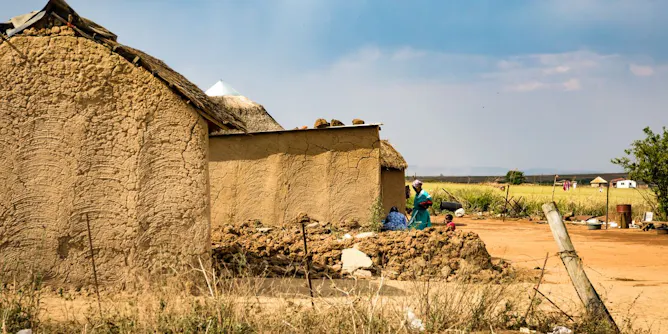
There is no single pathway from small-scale farming to improved livelihoods.
Articles on Social grants
Displaying 1 - 20 of 70 articles

Automated systems need to be watched carefully to ensure they are in fact operating in the public interest.
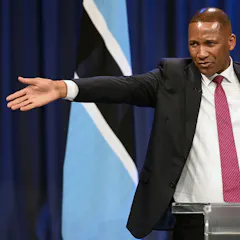
Caregivers in Botswana are being asked to do more with less.
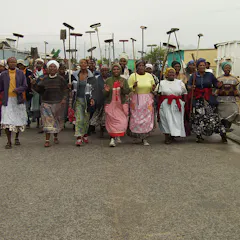
Social transfers don’t operate in a vacuum. They can strengthen trust or erode it, build cohesion or fuel resentment.

South Africa is looking for ways to use social grants to promote economic inclusion.

Economic modelling suggests that a basic income grant for all individuals aged between 18 and 59 could significantly reduce poverty and inequality in South Africa.

The link between household food insecurity and child malnutrition is stark: 28.8% of South African children under five suffer from stunting.
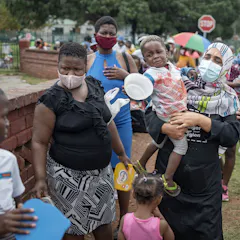
Food shortages are not the cause of hunger in South Africa. The country produces and imports all the food it needs.

South Africa’s Working for Water programme addresses environmental issues and provides temporary jobs. But it’s not equipping participants for stable employment.

The important question in a democratic setting is who gets to pay taxes and how they connect to the well-being of its citizens.
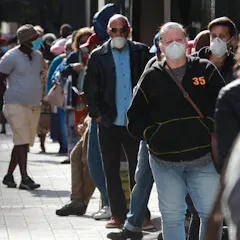
South Africa’s social relief grant has enabled recipients to search for work or start small businesses.
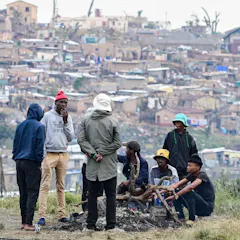
Increasing grant payments to extremely poor South Africans would alleviate poverty and help economic growth, a modelling exercise shows.
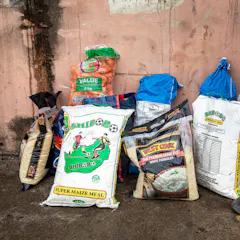
Households in South Africa’s second biggest city, Tshwane, aren’t getting adequate nutrients in their diets.

Many grant recipients are young, unemployed, and not necessarily loyal to the governing ANC like older generations.

Healthy mothers mean healthy babies. Giving pregnant women cash grants could help prevent conditions such as stunting.

When evaluating the costs and benefits of the employment programme, and similar ones such as social grants, ‘extra’ economic benefits need to be part of the calculation.

The president’s speech couldn’t cover up for the fact that the last five years have been among the most difficult for ordinary South Africans.

Nearly half of South Africa’s 60 million people receive social grants. Health experts say they improve cognitive health among the elderly.
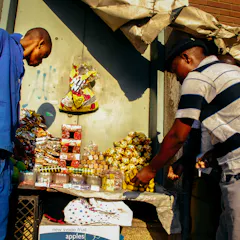
As much as 31% of grant beneficiaries engage in informal work to ‘grow’ their income.

There’s a case to be made for combining cash grants and job-search assistance services.
Top contributors
-

Professor of Social Development Studies, University of Johannesburg
-
Associate professor, University of Johannesburg
-
Research Fellow, Institute of Development Studies
-
Professor of Political Studies, University of Johannesburg
-
UCT Emeritus Professor and Senior Research Scholar; Director of ARUA's African Centre of Excellence for Inequality Research within SALDRU., University of Cape Town
-
Visiting Professor at the Business School, University of the Witwatersrand
-
Associate Professor in Economics and Public Policy, University of Oxford
-
Senior research fellow at the Centre for Social Development in Africa, University of Johannesburg
-
Research assistant at The Mind and Behaviour Research Group, University of Oxford
-
PhD candidate in Economics, UMass Amherst
-
Senior Researcher Rural Health in Transition and Agincourt Research Unit, University of the Witwatersrand
-
Researcher in Economics, University of Surrey
-
Distinguished Research Fellow, Human Sciences Research Council
-
Resesarcher, SALDRU, University of Cape Town
-
Emeritus professor in Politics, University of Johannesburg