

The second trimester may be a useful time to plan simple meals, snacks and food routines for early parenthood.
Articles on Child nutrition
Displaying 1 - 20 of 44 articles

Young children’s development between the ages of 2 and 5 is shaped by a range of influences.

Does your toddler only want to eat beige or white foods? You’re not alone. Half of children go through a stage of picky eating, peaking at age three. Here’s how to tackle some common food aversions.

Toddler milk is high in sugar and can leave toddlers reluctant to try new foods. It’s also heavily marketed to time-poor parents. We’re worried.

Deciding what to eat can be mentally taxing, especially when you are not feeling well. But, our diet plays a role in preventing and managing poor health, including COVID.

First, check if your child is really hangry, or just angry. Feeding straight away isn’t always the answer.

It is becoming increasingly clear that South Africa’s policymakers can no longer ignore the country’s obligations in terms of international, regional and national human rights law.
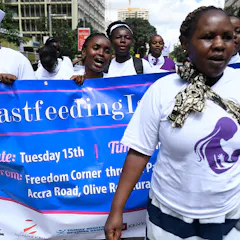
Provision of breastfeeding support and information within the community can lead to a significant increase in exclusive breastfeeding rates.
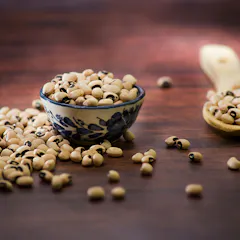
Indigenous foods such as cowpeas can improve people’s nutrition and help them cope with the hunger brought about by the effects of COVID-19 on foreign food imports.

Industry marketing can shape beliefs about formula feeding.

South Africans have experienced significant shocks to their livelihoods, and the threat of hunger presents a major concern for health, political and social stability.
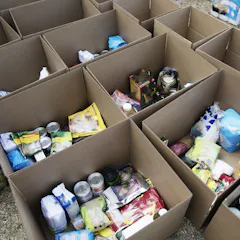
Providing nutritious food can ensure better health outcomes that will reach beyond the COVID-19 pandemic.

The millions of US children whose parents can’t always afford enough nutritious food for their families get about a quarter of their calories from what they eat at school.

There are better ways to convey your emotions.

Just one in 17 Australian children eats the recommended daily serves of vegetables. But it’s tough getting kids to eat healthy foods. These tips might help.

A well-planned national school food progam in Canada could be a huge boost to children’s health outcomes, long-term healthcare spending and local agriculture and economies.

Just like a mobile phone, your body needs to be recharged every day. You need to eat food and drink water every day to keep your body going. Some foods are better than others at helping you stay well.
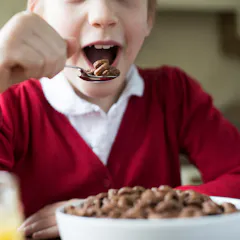
The marketing of breakfast cereals may be confusing consumers with a mix of true and inflated claims.

It’s time to normalise it.

With obesity affecting so many students, it’s better to give them cheap, appealing food and drink choices at school.
Top contributors
-

Lecturer in Public Health Nutrition, Swansea University
-
Professor of Child Public Health, Swansea University
-
Professor of Health Psychology, University of Surrey
-
Associate Professor in Public Health and Wellcome Trust Career Development Fellow, Swansea University
-
Research Fellow in eHealth and behaviour change, Coventry University
-
Assistant Professor, Economics Department, University of Warwick
-
Honorary Associate Professor, Australian National University
-
Senior Lecturer in Public Health, University of Sheffield
-
Lecturer (Assistant Professor), Department of Economics, University of Bath
-
PhD Candidate, School of Social Sciences, Cardiff University
-
Lecturer in Environmental Sustainability, University of Energy and Natural Resources
-
Vice Chancellor's Research Fellow, Northumbria University, Newcastle
-
Reader in Social Sciences and Health, Cardiff University
-
PhD Candidate in Development Studies, Institute for Social Development, University of the Western Cape
-
Professor of Economics and Director of BLUE, the Behavioural Laboratory, University of Edinburgh