
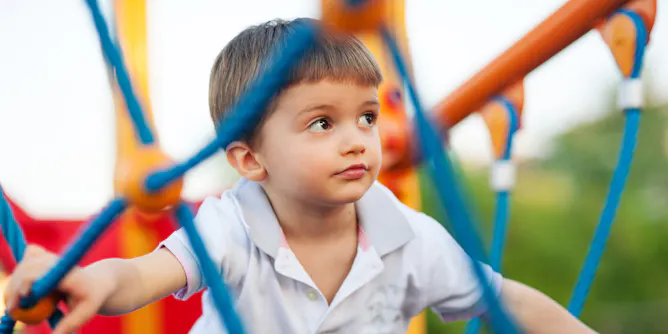
It’s easy to worry if your child doesn’t seem to be developing as quickly as their playmates. But trust your ‘niggles’ and watch out for ‘aha’ moments. Our research shows they’re often right.
Articles on Child health
Displaying 221 - 240 of 359 articles
New research finds taking antibiotics in early life is associated with an increased risk of obesity at age four. But that’s no reason not to give your child antibiotics if they really need them.
If you suspect your child – whether they are in early childhood education and care, primary or secondary school – has a questionable friend, here are some tips on how to deal with it.

Women with diabetes are at high risk of pregnancy complications. But there is a lot women can do to have a healthy pregnancy and a healthy baby.

Children’s right to health is paramount: here’s what needs to be done to build a child-centred health care system.

Every child develops at a different pace so it can be difficult to know what’s normal.
Babies are particularly vulnerable in emergencies, especially in hot weather. Here’s what your emergency kit needs to ensure they stay hydrated if you have to evacuate or you lose power or water.
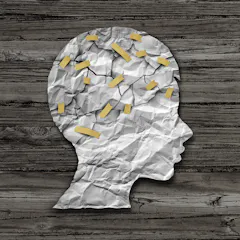
California’s surgeon general has implemented schoolwide screenings for trauma. A social work professor explains why the rest of the nation should do the same.

Schoolies and other leavers’ celebrations are a chance for teenagers to exert their independence and experiment with their identity as a young adult. And yes, you can help without losing your cool.
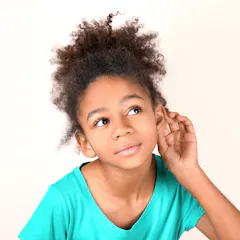
Children between 12 and 16 years old with mild-to-moderate hearing loss showed differences in their brain responses.
Responding to someone who questions vaccination can be difficult. Before you react, it pays to assess the situation because weighing in can do more harm than good.
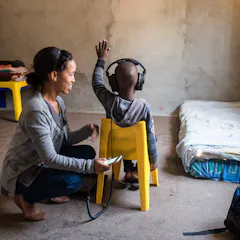
mHealth supported service-delivery systems can provide increased access to hearing and vision services for preschool children in poor communities.
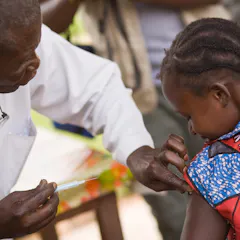
Even when cases of measles are detected in clinics, limited diagnostic and communication infrastructure can delay the response.

Daylight saving time starts this weekend, and it can often be the beginning of new dramas getting kids to bed. Here’s how to make the transition a little smoother.
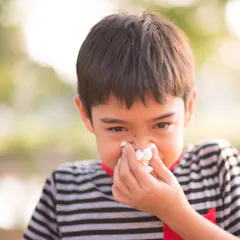
One in ten Australian kids get hay fever but it can be difficult to differentiate it from the common cold.
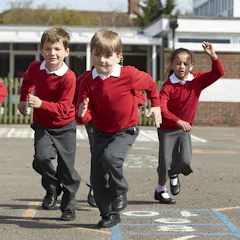
Afternoon breaks are being cut in UK schools but simply making this time more meaningful could have better benefits for children.
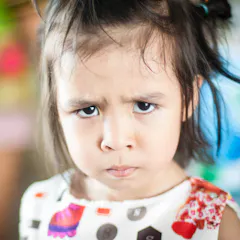
Research shows if time out is used occasionally, briefly and the child understands the process, it can be a useful parenting tool for kids aged two to eight.

Parents’ substance use affects children’s physical, psychological, cognitive, social and economic well-being, a new review of the research has found.
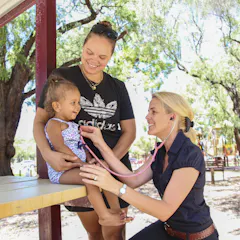
Lung infections are the most common reason for Aboriginal children to be hospitalised. But many cases can be prevented by seeking treatment for wet coughs that last for four weeks or more.

Specialist teachers and hours of compulsory physical education a week are keeping Nordic school children moving. When it comes to physical activity, Australia could do better.
Top contributors
-

Professor, The Children's Hospital at Westmead Clinical School and Sydney Infectious Diseases Institute, University of Sydney
-
Professor of Paediatrics and vaccinologist, Royal Childrens Hospital, University of Melbourne and Murdoch Childrens Research Institute (MCRI); Associate Dean International, University of Melbourne, Murdoch Children's Research Institute
-
Laureate Professor in Nutrition and Dietetics, University of Newcastle
-
Clinical Trials Director, Department of Endocrinology, RPA Hospital, University of Sydney
-
Professor in Public Health Data Science, Swansea University
-
Research Officer at Medical School, Swansea University
-
Adjunct Professor, School of Nursing and Midwifery, Western Sydney University
-
Professor, Discipline of Paediatrics and Child Health, University of Sydney
-
Research Fellow, University of Sydney School of Public Health, University of Sydney
-
Professor of Community Health and Wellbeing, The University of Queensland
-
Professor of Pharmaceutical Chemistry, Macquarie University
-
Consultant in Paediatric Infectious Diseases and General Paediatrics, Murdoch Children's Research Institute
-
Professor of Child Public Health, Swansea University
-
Associate Professor, Child and Adolescent Health, University of Sydney
-
Lecturer, University of the Free State