
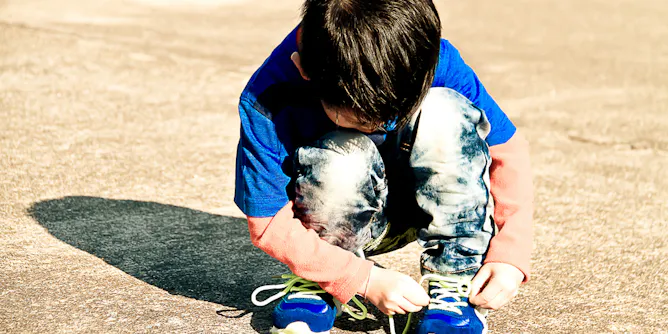
Most of us learn to tie our shoelaces, dress ourselves and eat with cutlery with relative ease. But for children with dyspraxia, these tasks are incredibly difficult to master.
Articles on Child health
Displaying 301 - 320 of 359 articles

Childhood obesity is increasing and is most common for children living in disadvantage. But it’s preventable if we begin from the start of life.

Knock knees (and bow legs) are generally a normal part of a child’s growth and development. But if they persist, they can become problematic.
Trachoma easily spreads from one child to another through infected eye and nose secretions. A person may have up to 40 episodes of reinfection during childhood.
It is ethical for doctors to accept a treatment option parents want – providing it is good enough – rather than insisting on what they believe is the best possible treatment for the child.

One in ten cancer patients will face fertility issues after treatment, but less than 50% are given options to preserve fertility. And those who are offered options can face significant cost barriers.
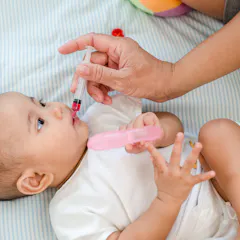
If you have a ten-month-old baby, what do you need to know? What do you need to ask your GP about the benefits and risks of antibiotics?

Harsh tales of mothers and fathers thrust into the court system as they seek the best treatment for a sick child are a warning.

Is there anything wrong with breastfeeding children up to five or six?
Many adults who have a lifelong problem with migraines first experience them in childhood or adolescence.

Young people whose parents have cancer report levels of psychological distress that are three to six times higher than others their age.
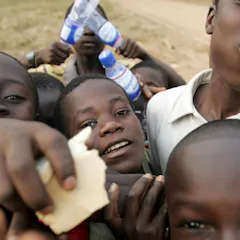
Ghana’s school feeding programme has reached millions of children in the past 11 years. It does important work, but needs more support to grow and become sustainable.

Sadly the finding that children, especially poorer children, suffer the most from air pollution isn’t particularly surprising.
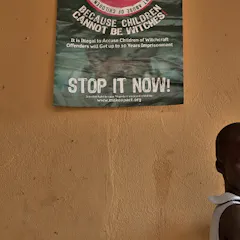
In many parts of Nigeria, children are branded as witches and suffer abuse and even abandonment. Religion and poverty are thought to play a role.

Growing pains are the most common childhood musculoskeletal condition resulting in frequent visits to healthcare professionals.
Adults who had a low birthweight or were undernourished as young children are more likely to experience high blood pressure and obesity.

Eighty years ago, poor people in Britain suffered ill health as a result of eating unhealthy food, just as they do today. The only difference is, in 1936, policymakers didn’t blame the poor.

A recent study found while parents are positive about their children engaging in aerobic activities (running, playing sports), they have much more negative views when it comes to strength exercises.
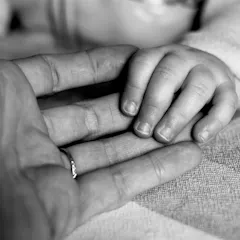
Parents in three Australian states are being given misleading advice about the dangers of lead to babies and small children – including failing to warn pregnant women about miscarriage risks.

It’s like putting the fox in charge of the hen house – food advertisers can make and break the rules as they like.
Top contributors
-

Professor, The Children's Hospital at Westmead Clinical School and Sydney Infectious Diseases Institute, University of Sydney
-
Professor of Paediatrics and vaccinologist, Royal Childrens Hospital, University of Melbourne and Murdoch Childrens Research Institute (MCRI); Associate Dean International, University of Melbourne, Murdoch Children's Research Institute
-
Laureate Professor in Nutrition and Dietetics, University of Newcastle
-
Clinical Trials Director, Department of Endocrinology, RPA Hospital, University of Sydney
-
Professor in Public Health Data Science, Swansea University
-
Research Officer at Medical School, Swansea University
-
Adjunct Professor, School of Nursing and Midwifery, Western Sydney University
-
Professor, Discipline of Paediatrics and Child Health, University of Sydney
-
Research Fellow, University of Sydney School of Public Health, University of Sydney
-
Professor of Community Health and Wellbeing, The University of Queensland
-
Professor of Pharmaceutical Chemistry, Macquarie University
-
Consultant in Paediatric Infectious Diseases and General Paediatrics, Murdoch Children's Research Institute
-
Professor of Child Public Health, Swansea University
-
Associate Professor, Child and Adolescent Health, University of Sydney
-
Lecturer, University of the Free State