
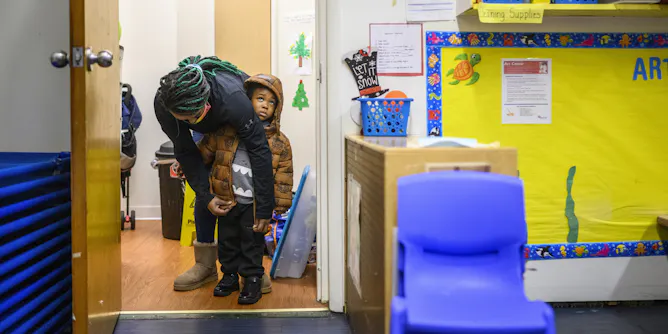
The Biden administration wants workers in child care and pre-K programs to earn at least $15 per hour.
Articles on Child development
Displaying 161 - 180 of 390 articles
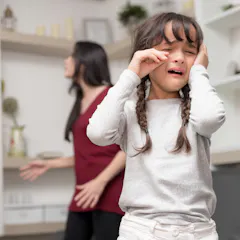
Children exposed to intimate partner violence were two to three times more likely to have impaired language skills, sleep problems, elevated blood pressure and asthma.

Social disadvantage can cause stress that leads to changes in ‘connectivity’ between brain regions, potentially harming adolescents’ ability to plan, set goals, and self-reflect.
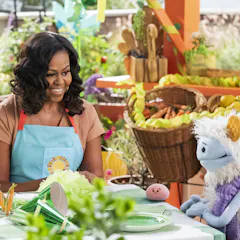
Michelle Obama’s fun new show is great for teaching children where food comes from but misses an opportunity.
Cognitive neuroscientists use brain imaging and behavioral economic games to investigate people’s sense of fairness. They find it’s common to take care of yourself before looking out for others.
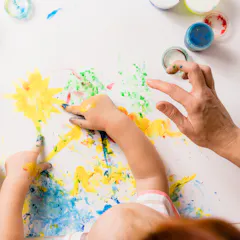
Taking part in creative activities with little ones can help bolster their communication, build their sense of self and even improve their health and wellbeing.
Children aren’t just losing out on education as a result of the pandemic.

Parents can take a page from psychological research on trauma and recovery to help kids struggling with pandemic life.
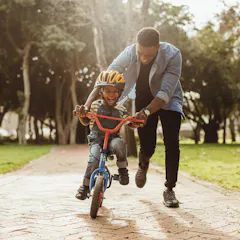
The brain activity of a parent and child can become synchronised during play and problem solving.

Too much screen time doesn’t leave enough time for other important parts of growing up. Predicting which little kids will likely grow into heavy tech users could help target educational campaigns.

A large study shows preschool benefits Aboriginal children’s development more than childcare or being taken care of at home. But the benefits of preschool are not as large as for non-Aboriginal kids.

The middle years (between 8 and 14 years old) are a foundational period for development. But these years don’t receive enough support from the education system.

The fact that there’s a growing number of child vendors means government interventions for vulnerable children aren’t reaching everyone in need.
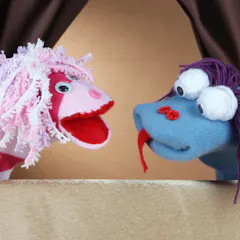
Talking to a puppet, as opposed to a person, makes the conversation feel less personal. It’s sometimes used in therapy to help the child feel less self-conscious and open up.
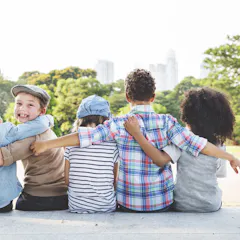
Our report examines Australia’s educational performance against equity and excellence benchmarks. It finds the inequality gap is large and growing.

Experts in child development and infectious disease help parents make informed decisions about Halloween and provide tips for communicating with children effectively.
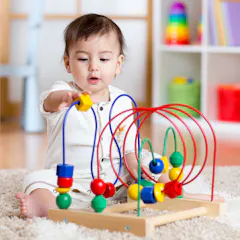
Our study joins a growing body of evidence that suggests caesarean sections may have more consequences than previously thought.
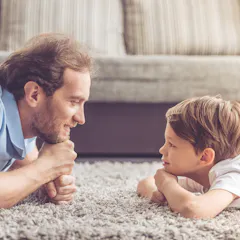
While some adults see implicit meaning in sentences, children can miss it. Two linguists explain how this can happen, and why it matters in communication.

The women in our study knew that play was important, although they didn’t see it as an independent behaviour to be encouraged or promoted.

Rigid rules could stifle creativity in children.
Top contributors
-

Professor, Canada Research Chair in Determinants of Child Development, Owerko Centre at the Alberta Children’s Hospital Research Institute, University of Calgary
-
Deputy Director, The Kids Research Institute Australia, Professor of Autism Research, The University of Western Australia
-
Associate Professor in Psychology, Deakin University
-
Professor of Clinical Neuropsychology, University of Cambridge
-
Postdoctoral Research Associate, Cognitive Neuroscience, University of Cambridge
-
Associate Professor of Developmental Psychology & Psychopathology, University of Leeds
-
Professor of Educational Psychology, University of Wollongong
-
Associate Professor, School of Psychology, Scientist, Children's Hospital of Eastern Ontario Research Institute, L’Université d’Ottawa/University of Ottawa
-
Professor of Science and Technology for Brain-Inspired Intelligence/ Computer Science, Fudan University
-
Director, Center for Community Child Health Royal Children's Hospital; Professor, Department of Paediatrics, University of Melbourne; Theme Director Population Health, Murdoch Children's Research Institute
-
Associate Professor, Department of Psychology, University of Essex
-
Assistant Professor in Psychology, Bond University
-
Senior Industry Fellow, School of Education, RMIT University
-
Associate professor, Monash University
-
Inaugural Roberta Holmes Professor, La Trobe University