

Companies could improve their profits 2-10% each year by saving energy, according to a world-first attempt to assess energy performance.
Articles on Carbon emissions
Displaying 381 - 400 of 543 articles
Labor’s detailed climate policy is ambitious, but it remains to be seen if it will capture the voters.
Half of the world’s vegetated land has got greener in the past 30 years, mostly driven by rising CO2.
Over the past year Australia’s greenhouse gas emissions from electricity rose 2.7%.
Modelling done for the Climate Institute indicates that without big policy changes Australia’s path to zero emissions from the electricity sector by 2050 would mean huge disruption after 2030.
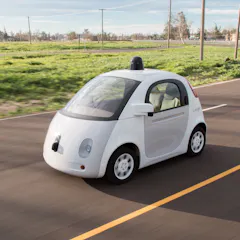
Self-driving cars are way more energy efficient than your average vehicle – but that doesn’t necessarily mean they’ll reduce carbon emissions.
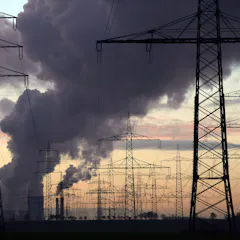
Energy companies are realising that, in light of the Paris climate deal, the economics are starting to line up in favour of climate action, not against it.
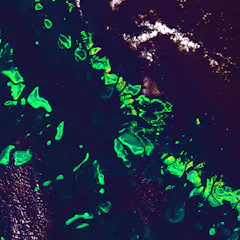
Ocean acidification will hurt some parts of the Great Barrier Reef more than others.
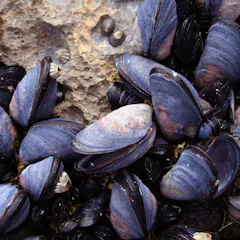
Shellfish will have more brittle shells as oceans get more acidic – making them more vulnerable to predators. New research gives a fascinating glimpse into how they will adapt.
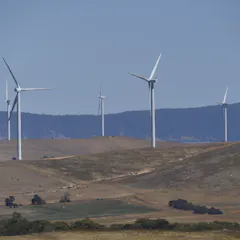
Australia’s greenhouse emissions are once again rising, after a decade of consistent declines. But the right policies are already in place to turn things around - they just need to be ramped up.
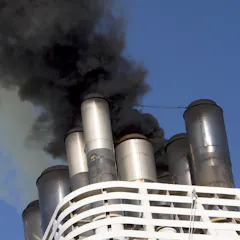
The IMF wants a levy on ship and plane fuel, but that won’t magically create low-carbon alternatives.
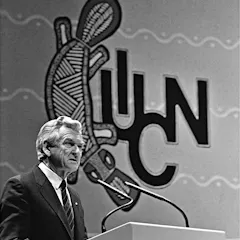
The National Archives of Australia today released selected federal cabinet records for 1990 and 1991. They reveal intense battles over Australia’s domestic climate targets and, above all, a palpable determination that Australia not damage its coal revenue.
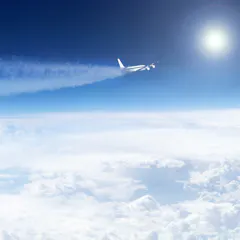
If shipping and aviation don’t rein in their emissions it could seriously jeopardise our goal of preventing more than 2°C of warming.
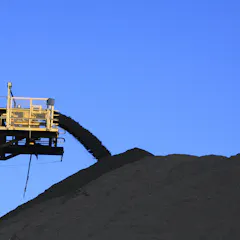
Despite its vital role in the development of Australia’s economy, the future of coal looks grim in a world aiming to limit warming to below 2°C.

The Paris Agreement is an extraordinary achievement. But there is much work to be done to ensure global warming does not exceed dangerous levels.
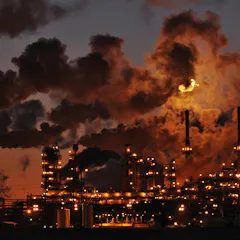
Countries have signed up to the Paris climate deal, but they have not yet promised the necessary cuts to emissions.
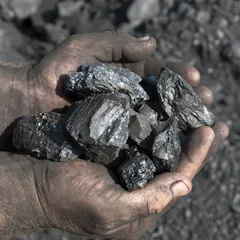
Despite robust global economic growth over the past two years, worldwide carbon emissions from fossil fuels grew very little in 2014, and might even fall this year.
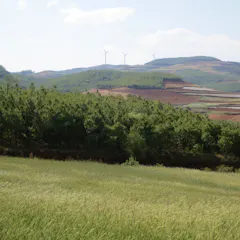
To prevent dangerous climate change, it’s likely we’ll have to remove carbon dioxide from the atmosphere. But that’s looking less and less promising.
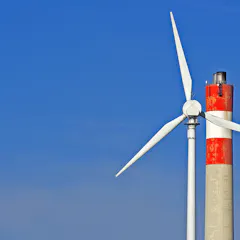
New analysis reveals carbon capture at coal power plants is significantly more expensive than thought, making renewables and natural gas power generation more attractive.

We know a lot about the potential negative effects of ocean acidification on marine creatures. But might some species actually benefit? The answer is yes, but this isn’t necessarily a good thing.
Top contributors
-

Chief Research Scientist, CSIRO Environment; Executive Director, Global Carbon Project, CSIRO
-
Professor, Crawford School of Public Policy and Director, Centre for Climate and Energy Policy, Australian National University
-
Royal Society Research Professor of Climate Change Science, University of East Anglia
-
Senior Researcher, Center for International Climate and Environment Research - Oslo
-
Climateworks Centre CEO, Monash University
-
Senior Lecturer, Griffith Business School, Griffith University
-
Senior Researcher, Center for International Climate and Environment Research - Oslo
-
Senior Research Associate, Renewable Energy & Energy Systems Analyst, UNSW
-
Professor, Department of Earth System Science, and Chair of the Global Carbon Project, Stanford University
-
Professor, School of Economics, The University of Queensland
-
Senior Fellow in Energy and Climate Change, Grattan Institute
-
Associate Professor, The University of Western Australia
-
Senior Research Fellow, School of Geography, Earth and Atmospheric Sciences, The University of Melbourne
-
Honorary Fellow, The University of Melbourne
-
Professorial Fellow, University of Canberra