
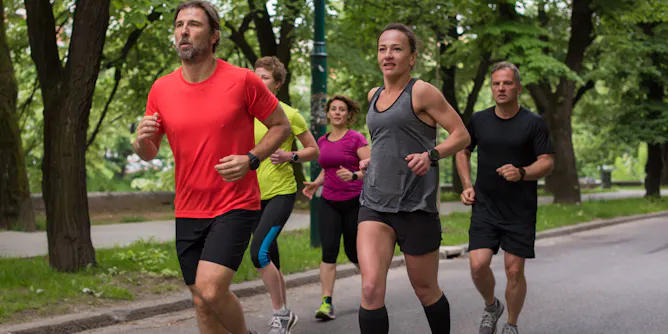
Though exercising at around 50-72% of our VO₂ uses more fat as energy, the amount of actual fat burned is minimal.
Articles on Carbohydrates
Displaying 21 - 40 of 43 articles

The charred remains of root vegetables found at Border Cave help us understand how early humans survived and thrived.

Everyone knows it’s hard to stop eating potato chips or chocolate chip cookies. New research shows why: Certain combinations of fat, sodium, sugar or carbohydrates make them irresistible.

New research shows that eating a low-carbohydrate breakfast both reduces sugar spikes in the morning and reduces cravings for sweet foods in the evening, in people with Type 2 diabetes.
Two large nutritional studies seem to have reported contradictory findings on carbs. But only if you believe the headlines.

If you want to remain lean, this study of mouse diets suggests your fat intake should make up just a fifth of your overall calorie intake.

Official advice to prediabetics on the best diet to avoid type 2 diabetes suggests that there is only one option. The latest research suggests otherwise.
A recent study was reported to have found that eating pasta wouldn’t make you put on weight, This is actually true, so long as you’re following a low GI diet.
Diets aren’t just about losing weight. There are other things to consider.
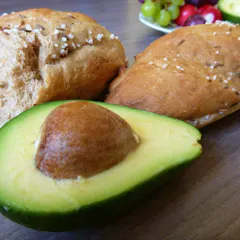
Arguing about whether carbohydrates or fats are better misses the main point. To improve global health we need reduce intakes of ultra-processed foods and eat more minimally processed foods.

Potatoes are more nutrient-dense than many other staple foods in South Africa including maize meal, rice, bread and pasta.
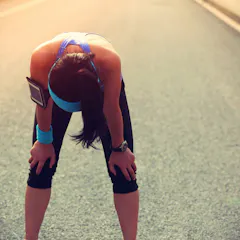
It can take the body up to three weeks to fully recover from the strain of running a marathon, so here’s some foods that are scientifically proven to help aid recovery.
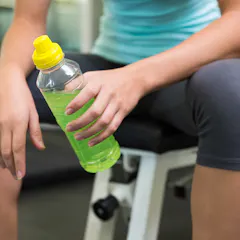
Rinsing your mouth with a sports drink and then spitting it out can improve performance.
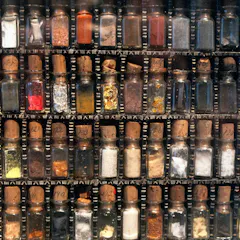
Chemicals have a bad rap these days. But the fact is that everything is made of chemicals. Here are some of the chemicals at work in your kitchen.

National dietary guidelines have become an easy target for those looking for a scapegoat for bad diets in rich countries. And a BMJ article about draft US guidelines adds further fuel for the fire.
We’ve all done it: enjoyed a delicious meal only to nod-off in a comfy chair for a while. A habit for some but unavoidable for others, what is it about food that can make us so sleepy?
From meat-based diets to carbohydrates, the eating patterns of early humans has defined much of what we consume today.
By focusing on micro- or macronutrients, most nutrition research fails to recognise the most important truth about food: diet is more than the intake of nutrients.
Intake of carbohydrate before, during and in-between Tour stages is the best known way to power cyclists’ ‘engines’.

For decades, a low fat and sugar free diet were key to controlling type 2 diabetes. Now, new data shows a diet high in protein and healthy fats has better outcomes for the disease.
Top contributors
-

Dietitian and Research Programme Manager, University of Oxford
-
Laureate Professor in Nutrition and Dietetics, University of Newcastle
-
Professor of Nutritional Physiology, Anglia Ruskin University
-
Program Director of Nutrition and Food Sciences, Accredited Practising Dietitian, Adelaide University
-
Senior Visiting Fellow, School of Medical Sciences, UNSW
-
Honorary Associate Professor, University of Leicester
-
Reader in Exercise and Health Physiology, University of Hertfordshire
-
Professor of Nutrition & Research Director for the Food and Nutrition Flagship, CSIRO
-
Professor of Public Health, Griffith University
-
Researcher and post-doctoral fellow in human nutrition, University of Pretoria
-
Researcher & Post-doc in Human Nutrition, University of Pretoria
-
Senior Lecturer in Nutrition and Dietetics, Edith Cowan University
-
Clinical Doctoral Research Fellow & Lead Clinical Dietitian, University of Birmingham
-
Theme Leader, Nutrition and Metabolism, South Australian Health & Medical Research Institute
-
Head of Division of Sport, Exercise & Nutrition Sciences, University of Huddersfield