
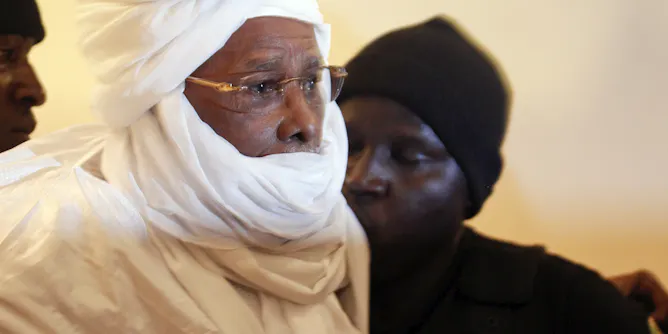
There are fears that the withdrawal of countries from the ICC would mark the end of international criminal justice in Africa. This need not be the case.
Articles on Burundi
Displaying 81 - 100 of 104 articles
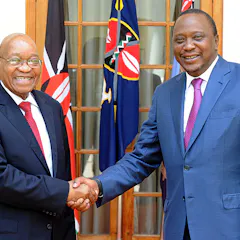
Ironically the campaign to withdraw from the ICC was mainly initiated by the very same governments and heads of state that had earlier referred cases to the ICC when it suited their own interests.
The ICC has made important advances by investigating cases outside Africa and completing ones that further define what is not allowed in war. South Africa’s withdrawal is concerning, but not fatal.
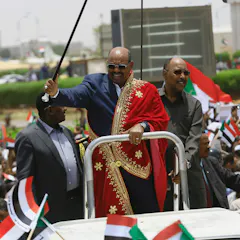
The South African government’s decision to withdraw from the ICC should not be seen in isolation. The African Union has called on its member states to withdraw from the court.
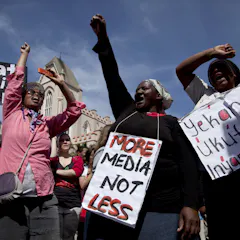
While some African countries have shown an improvement in press freedom and freedom of expression ratings, others, including South Africa, are seeing worrying trends and a drop in rankings.
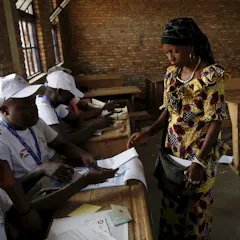
If women aren’t given their full rights, they’re less likely to believe in democratic institutions.
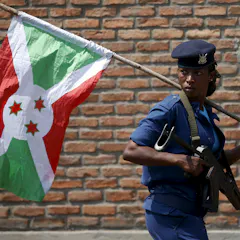
The competition between the two authoritarian regimes has become a fact that, given the regional context, is here to last. It justifies repression and indefinitely postpones democratic expression.
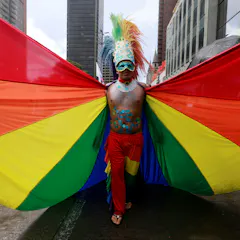
The strongest resistance to the United Nations resolution to promote LGBTI rights came from Muslim and African states. Many of these countries still criminalise same-sex relationships.
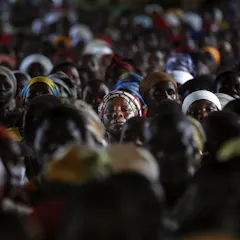
East Africa is dealing with drought, famine, political instability – and hundreds of thousands of people in search of safety.

Robert Sobukwe developed the philosophy of African nationalism to even higher intellectual heights. The lesson for humanity was his ideological stand that there is only one race - the human race.
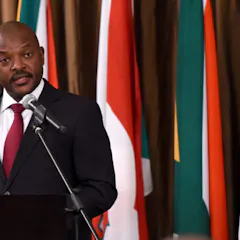
As concerns rise about the risk of genocide in Burundi, the country could still avoid the worst thanks to its social structure. But time is limited.
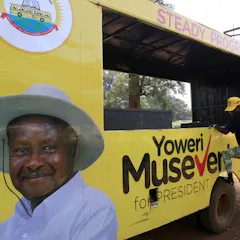
Regular changes of government through free and fair elections that reflect the wishes of the majority of citizens are a critical component of democratisation. But how significant are polls in Africa?
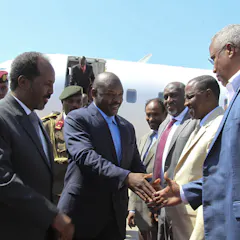
Fears over violence in the African nation bring its leader to a crossroads.
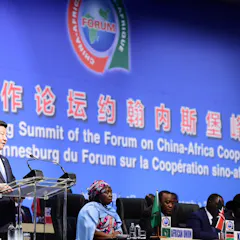
For the grand plans unveiled at the China-Africa summit to succeed, Africa will have to cooperate more extensively. The larger and more successful nations need to become sub-regional leaders.
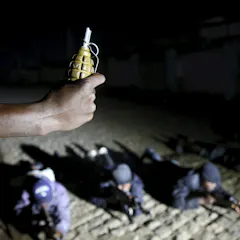
The “quick fix” nature of the Arusha Peace Agreement seems to have come back to haunt Burundi. Ethnic protests threaten to tear the country apart, leading it to the path of a failed state.
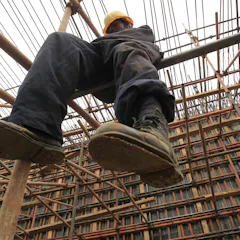
China offers an alternative to traditional donors and investors in low- and middle-income countries. Adding to its appeal is its focus on infrastructure projects.
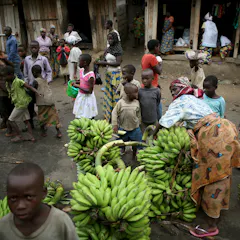
Whenever the crisis in Burundi is discussed, the economy is often overlooked, even though it is central to understanding the backdrop to the most severe crisis since the end of the civil war.
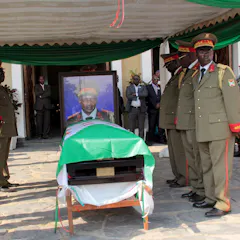
Some of Burundi’s highest-ranking officials have been assassinated – but ordinary Burundians are still being terrorised too.
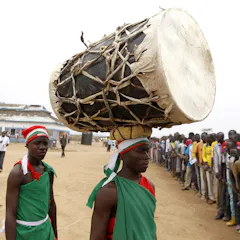
Rwanda and Burundi, once the conjoined twins of East Africa, marked over five decades of going separate ways since independence. Today, the difference in their fortunes couldn’t be more stark.
The hope is that Buhari will be honest and efficient — but his post comes with significant baggage.
Top contributors
-

Associate Professor of International Studies, University of Nottingham
-
Professeur des universités, Université Paris 1 Panthéon-Sorbonne
-
Professor, Department of Political Sciences, University of South Africa
-
Senior lecturer, University of Edinburgh
-
Research Affiliate, University of Pretoria
-
Fellow, Nigerian Academy of Science
-
Lecturer in Political Science, Binghamton University, State University of New York
-
Professor of Democracy, University of Birmingham
-
Extraordinary Professor, Department of Political Sciences, University of Pretoria
-
Senior Researcher, The Nordic Africa Institute (NAI), The Nordic Africa Institute
-
Lecturer and Senior Research Fellow at the South African Research Chair in International Law (SARCIL), University of Johannesburg
-
Executive director, Africa Institute of South Africa, Human Sciences Research Council
-
PhD candidate in Political Studies at the Department of Politics and International Relations, University of Johannesburg
-
Professor of World Politics, SOAS, University of London
-
Researcher, United States International University