
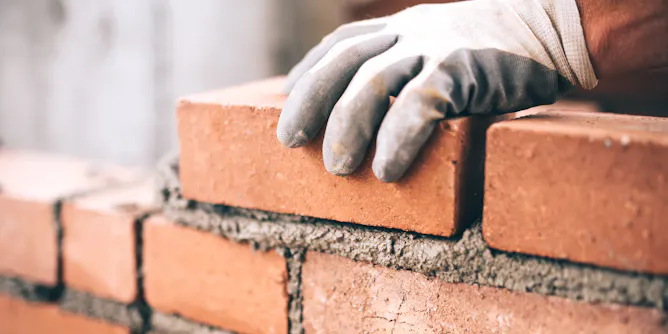
Embodied emissions in buildings could be a hidden setback for carbon reduction targets.
Articles on Built environment
Displaying 21 - 40 of 67 articles

One-tenth of global emissions result from the production and supply of building materials – and the construction process itself.

New research has found that low-rise urban environments are more space and carbon efficient than high-rise buildings which have a drastically higher carbon impact.
Structures are built to withstand a normal range of conditions. But what’s ‘normal’ is changing rapidly.
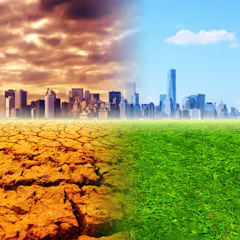
The built environment plays a pivotal role in lowering residents’ exposure to climate change driven risks.
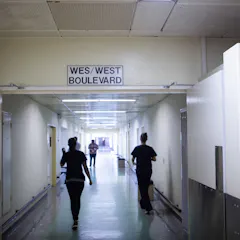
The study of two hospitals was a first for researching the microbiology of the built environment in South Africa – a multi-disciplinary approach to understanding how to design healthier buildings.

Researchers are turning microbes into microscopic construction crews by altering their DNA to make them produce building materials. The work could lead to more sustainable buildings.
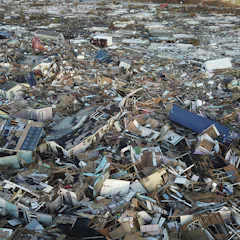
It’s now officially the end of hurricane season, but the rebuilding of the Bahamas continues, slowed by the risks imposed by a history of colonialism and class division.
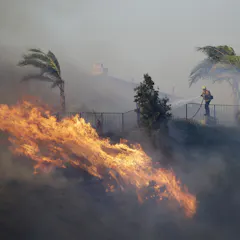
Two fire researchers argue that recent fires in Northern and Southern California show why health and social equity need to be part of fire preparedness.
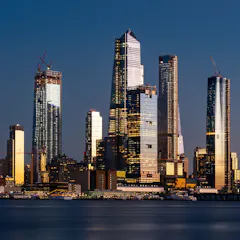
Glass has always been a notoriously energy inefficient building material – but an obsession with aesthetics led architects to ignore its shortcomings.
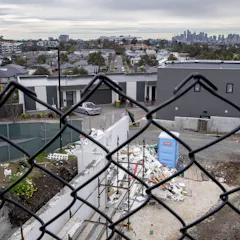
Australia’s commitments to cut emissions are on a collision course with urban growth. We need a much more comprehensive strategy to make the transition to a sustainable built environment.
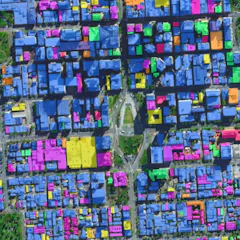
The huge volume and high quality of data streaming down from Earth observation satellites are transforming how we see and shape our cities.

The UK is terrible at creating child-friendly environments and children are suffering for it.
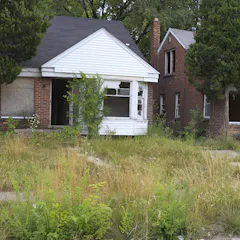
By the time a building is abandoned and falls into disrepair, its community is already suffering. Michigan scholars suggest it’s time to plan for structures’ end of life before they even go up.

What exactly is the ‘built environment’?And is the term the best way to frame what we’re trying to achieve today?
We wear our surroundings like a cloak. Lower-income communities often live in environments that discourage healthy, outdoor activities. This perpetuates their poorer health and traps them in poverty.
The mindset, tools and techniques of designers can make us better leaders. Here’s how.

From falcons that hunt by the light of skyscrapers, to bears that sit in wait at weirs, animals are using human structures to help them catch a meal.

As ‘Heart Month’ kicks off across North America, a cardiovascular researcher explains how the neighbourhood you live in can affect your risks of heart disease.
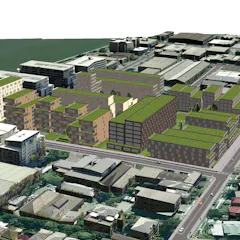
3D urban modelling is a transformative technology for designing cities. But incorporating new technologies into planning practice has its challenges.
Top contributors
-

Senior Lecturer in Construction Technology, The University of Melbourne
-
Associate Professor in Urban and Regional Planning, University of Sydney
-
Professor of Planning and Associate Director, City Futures Research Centre, UNSW
-
Professor of Regenerative Futures, University of Pretoria
-
Professor of Architecture and SARChI: DST/NRF/SACN Research Chair in Spatial Transformation (Positive Change in the Built Environment), Tshwane University of Technology
-
Senior lecturer in Sustainable and Climate Responsive Architecture, University of Pretoria
-
Adjunct Senior Lecturer, School of Public Health and Community Medicine, UNSW
-
Adjunct Associate Professor, South Western Sydney Local Health District
-
Associate professor, Macquarie University
-
Post-doctoral Research Associate, University of Oxford
-
Senior Research Fellow, Acting Director, CHETRE, UNSW
-
Professor of Health Sciences, Simon Fraser University
-
Director of the Center for Community & Economic Development and Adjunct Faculty in Urban and Regional Planning Program, Michigan State University
-
Post-doctoral Research Associate, University of Oxford
-
Senior Lecturer in Architecture, Nottingham Trent University