

Our buildings and cities were not designed to handle a pandemic. But countries around the world are coming up with design ideas, some high-tech and some more basic, to reduce the infection risks.
Articles on Building design
Displaying 21 - 35 of 35 articles
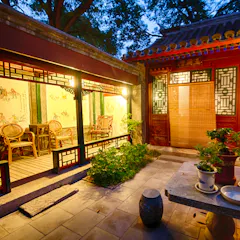
Many older women are in desperate need of affordable housing where they can age in place securely, with dignity and as part of a community. The siheyuan model offers ways to meet these needs.
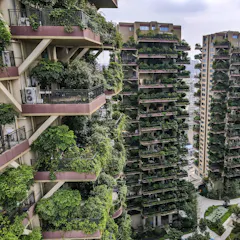
People love to connect with nature and that’s possible with vertical gardens on high-rise developments. But gardens need a gardener to keep things under control.
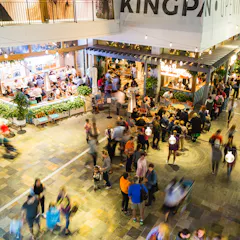
Super-spreader events typically have the ‘three Vs" in common: indoor venues, poor ventilation and vocalisation. But many buildings frequented by the public lack ventilation or the means to monitor it.
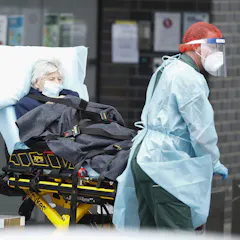
Most aged care homes are designed to be naturally ventilated. But when windows are closed to keep out the cold, poor ventilation appears to be common – and that’s a problem for infection control.
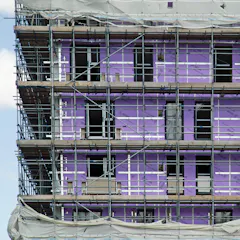
If more people work from home and shop online, many commercial buildings won’t be needed any longer. What will be needed is affordable housing, and these buildings can be converted to meet this need.

Algorithms can now work out the best ways to lay out rooms, construct buildings and even change them over time to meet user needs.
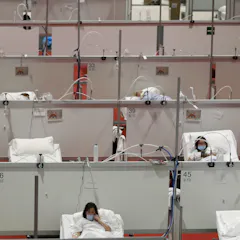
COVID-19 is creating overwhelming needs for intensive care and testing facilities. An Australian team is developing purpose-built units that can be shipped and erected quickly, easily and cheaply.
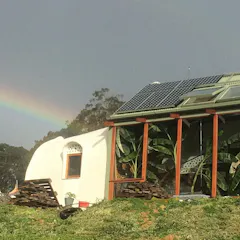
Earth-covered houses are not only highly fire-resistant, but sustainable features such as off-grid power and water supplies could also be life-saving in a bushfire.
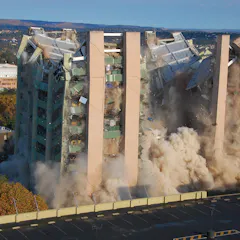
The problems of demolishing high-rise buildings in busy cities point to the need to prepare for unbuilding at the time of building. We’d then be much better placed to recycle building materials.
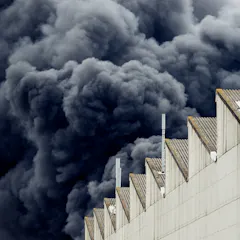
Ensuring a building will be safe against fire requires careful consideration from not only fire engineers, but also from builders, architects and building owners.
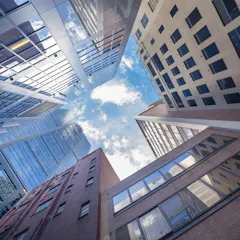
Planning controls in Melbourne were eased 20 years ago, with mixed results, and new limits are now in place. Will other cities that have eased height limits, like Adelaide, avoid the same mistakes?

Fires and building failures highlighted serious gaps in Australian building regulations. But recent revisions and recommendations still fall short of preparing our buildings for climate change.
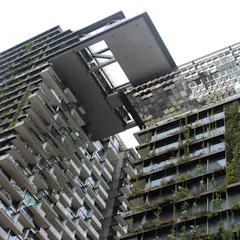
Buildings are central to creating more sustainable cities, and green ratings are often used to assess how well a building measures up against this goal. But the current system has serious flaws.
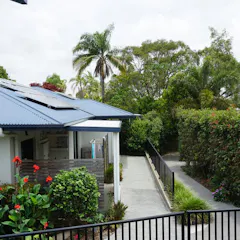
Aged-care units can be a lottery of comfortable versus uncomfortable temperatures, depending on the building’s construction and where you live within it. That needs to improve.
Top contributors
-

Lecturer in Architecture, Practice and Design, Swinburne University of Technology
-
Senior Lecturer, Nottingham Trent University
-
Associate Science Editor & Co-Host of The Conversation Weekly Podcast, The Conversation
-
Principal Research Fellow, School of Engineering, RMIT University
-
Host, The Conversation Weekly Podcast, The Conversation
-
Associate Dean, School of Property, Construction and Project Management, RMIT University
-
Adjunct Professor of Architecture, University of Technology Sydney
-
Postdoctoral Scholar and Assistant Professor, Taubman College of Architecture and Urban Planning, University of Michigan
-
Emeritus Professor, Faculty of Science, University of Technology Sydney
-
Professor of Architectural Engineering, Al-Nahrain University
-
Lecturer in Built Environment (Architecture), Built Environment Discipline and Research Fellow, ISILC, Victoria University
-
Professor of Engineering, University at Buffalo
-
Head of Art and Design, University of Hertfordshire
-
Senior Lecturer in Construction Technology, The University of Melbourne
-
Research Fellow, School of Civil Engineering, The University of Queensland