
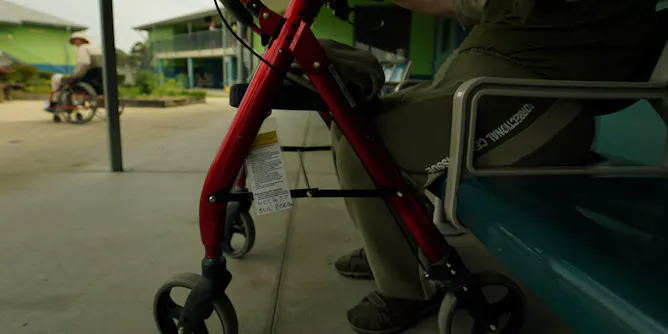
People with disability in prison may need help with personal hygiene, reading, filling in forms, understanding rules, participating in criminal justice proceedings, or making complaints.
Articles on Breaking the Cycle
Displaying 21 - 40 of 59 articles
In a new report, child family violence survivors describe how family court worsened their trauma and profoundly affected their well-being even into adult life.

Social media can offer Black African young people in Australia safe spaces to engage in positive expressions of afro-Blackness.
It’s so tragically familiar. Australia has had dozens of inquiries, reports and reform efforts in child protection, yet terrible things still happen to children known to child protection agencies.
One social housing application assessor told us getting on the priority wait list is so challenging, some applicants abandon the process altogether.

Children who grow up in disadvantaged areas seem to react more strongly to facial expressions showing anger or fear. But social connections between neighbours can help.
What do disadvantaged communities need to weather long COVID? Ask them.

The two biggest states have jointly committed to a huge investment in early childhood education and learning over the next decade. But delivering high-quality universal preschool access won’t be easy.
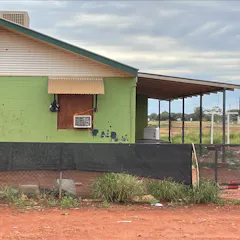
In parts of Australia that are already very hot, we show how climate change is driving inequities even further – in housing, energy security and health.

A study of thousands of students hospitalised with an injury or illness confirms they are likely to fall behind their classmates. But good management and targeted help with learning cut the risk.

It’s been unusually cold, and energy prices are soaring. That spells trouble for the quarter of Australians who have very cold homes.

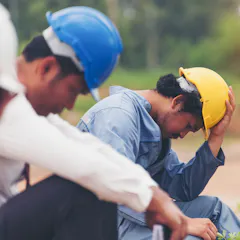
Our interviews with ex-automotive workers reveal how economic change interrupts lives, casting people into new worlds of precarious work and long, indefinite journeys in search of security.
Survivors of violence, and those working to support survivors, want to see programs that focus on getting the first response right, every time.
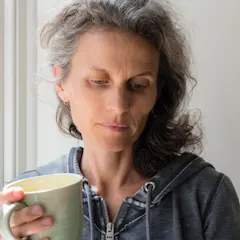
The rate of very high psychological distress is rising most steeply in the middle aged, especially in middle-aged women on low incomes. New funding should match this need.
Our new research suggests that while a break up, on average, reduces men’s disposable household income by 5%, on average women’s household income decreases by almost 30%.

With learn-from-home likely to return during the pandemic or other emergency, it’s important we understand why many migrant families found this mode of education delivery so challenging.

We asked over 1,000 Australians about their mental health concerns. Without being prompted, participants consistently highlighted three: service barriers, financial stress, and social disconnection.

Our analysis revealed the relative attention our news and opinion pieces gave to First Nations peoples began to grow steadily from around 2005, with a huge peak in 2007.

Research shows there can be profound business benefits to hiring people living with intellectual disability.

Australia’s policies prevent the necessary action to not only address cities’ contribution to climate change, but also to protect cities from its impacts.
Top contributors
-

Professor of Education Policy and Practice, Youth Studies, Monash University
-
Sharon Bessell is a Friend of The Conversation.
Professor of Public Policy, Crawford School of Public Policy, Australian National University
-
Professor & Director, Institute of Child Protection Studies, Australian Catholic University
-
Alan Morris is a Friend of The Conversation.
Professor, Institute for Public Policy and Governance, University of Technology Sydney
-
Casual Research Fellow, Deakin University
-
Postdoctoral research Fellow, UNSW
-
Senior Research Fellow, School of Health and Social Development, Deakin University
-
Associate professor, University of Sydney
-
Lecturer, Deakin University
-
Lecturer, RMIT University
-
Associate Professor, School of Education, Deakin University
-
Senior Honorary Research Fellow, The University of Western Australia
-
Research Fellow, Deakin University
-
Lecturer in Health Pedagogy, University of Tasmania
-
Professor in Politics and Journalism, University of Notre Dame Australia